Introduction: Why This Topic Matters to You (and to Us)
If you are reading this, chances are you are already in the industrial or commercial floor cleaning equipment business — or you are seriously considering entering it. Either way, I want to be very clear with you from the beginning:
this is not an easy industry, but it is a very rewarding one if you understand the real challenges and know how to deal with them.
Over the years, working closely as a floor cleaning machine manufacturer and collaborating with distributors across North America, Europe, the Middle East, and Southeast Asia, we’ve seen a repeating pattern. Many distributors don’t fail because they can’t sell. They fail because they underestimate the complexity behind product mix, pricing pressure, after-sales cost, and long-term profit structure.
In this article, I want to share what we’ve learned from the factory side — not theory, not marketing slogans, but real distributor pain points, why they happen, and most importantly, how you can solve them. If you stay with me until the end, you’ll walk away with a clearer roadmap for building a stronger, more profitable distribution business.
The Reality of the Floor Cleaning Equipment Distribution Market
Before we talk about problems, let’s align on reality.
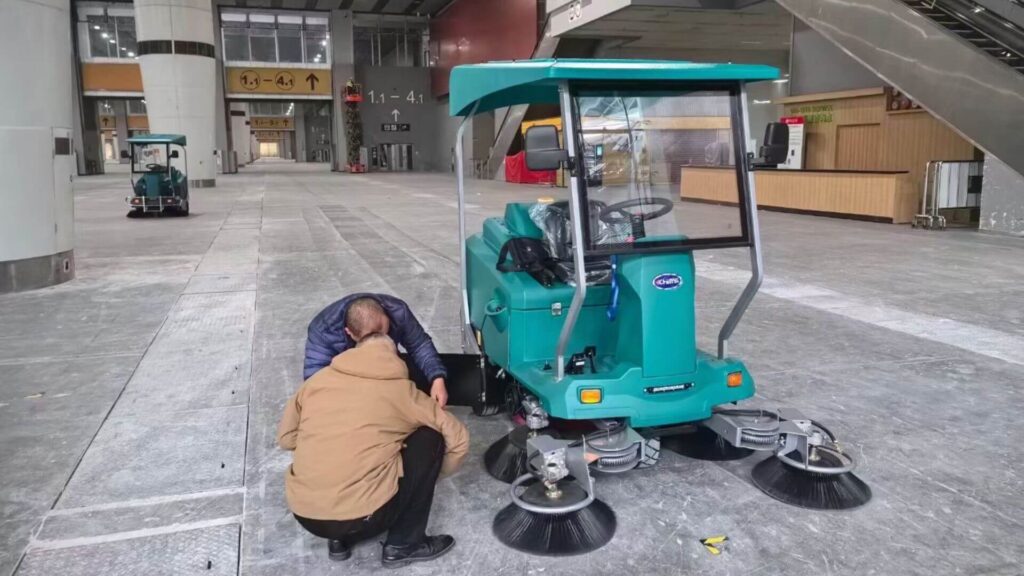
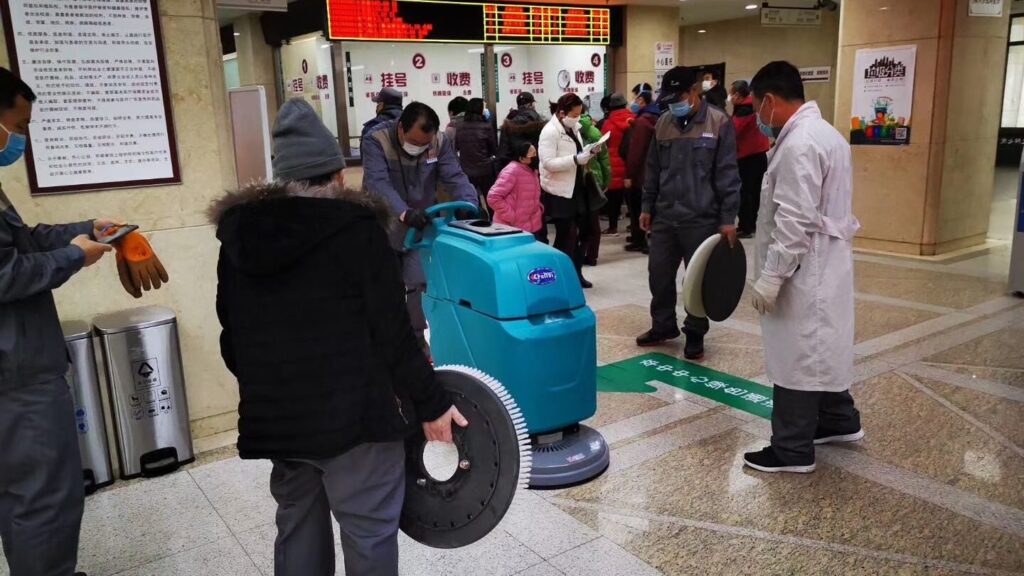
As a commercial floor cleaning equipment supplier and industrial floor cleaning solutions manufacturer, we see distributors serving:
- Cleaning contractors
- Warehouses & factories
- Shopping malls & airports
- Hospitals & schools
Each of these buyers has different budgets, expectations, and service tolerance. That’s where many distributor challenges begin.
Challenge #1: Selling the Wrong Product Mix
This is the number one mistake we see.
Many distributors focus only on:
- Low-price machines to win orders fast
or - High-end machines assuming “premium sells itself”
Both strategies are risky.
Why This Happens
When distributors work with a limited supplier base or a single brand, their product range becomes narrow. Customers either say:
- “Too expensive”
- or “Looks cheap, I don’t trust it”
The Real Cost of a Bad Product Mix
Selling only entry-level machines often leads to:
- Frequent breakdowns
- High warranty claims
- Angry customers
- Low repeat business
From our experience as a professional floor cleaning machine manufacturer, distributors who rely only on low-cost machines often discover that high after-sales cost quietly eats all their profit.
How to Solve It
You need a tiered product strategy:
| Product Tier | Target Customer | Role |
|---|---|---|
| Entry-Level | Small businesses | Volume |
| Mid-Tier | Professional cleaners | Stability |
| Premium | Industrial users | Profit & brand |
When we help distributors design this structure, they sell with confidence — not desperation.
Challenge #2: Price Wars and Margin Compression
Let me be honest with you:
Price wars are slowly killing distributors.
What We See from the Factory Side
Many distributors complain:
“Customers only compare price. There is no loyalty.”
But the deeper issue is not price — it’s lack of differentiation.
When everyone sells similar-looking scrubbers and sweepers, price becomes the only weapon.
The Hidden Damage of Price Wars
- Lower gross margin
- No budget for marketing
- No room for service teams
- No investment in growth
As a floor cleaning equipment factory, we’ve seen distributors win many orders — and still lose money at the end of the year.
How to Solve It
You don’t escape price wars by lowering prices further.
You escape by selling value instead of units:
- Explain battery life differences
- Demonstrate cleaning efficiency per hour
- Show total cost of ownership (TCO)
When distributors work with a floor cleaning solutions supplier that provides technical documentation and sales training, closing price-driven customers becomes much easier.
Challenge #3: High After-Sales Cost and Service Pressure
This is where many distributors feel trapped.
The Common Situation
You sell the machine.
The customer is happy — for 3 months.
Then calls start coming.
- Battery issues
- Controller problems
- Squeegee wear
- Motor overheating
Suddenly, your profit is gone.
Why After-Sales Costs Get Out of Control
From our perspective as an industrial floor cleaning solutions manufacturer, after-sales cost depends heavily on:
- Component quality
- Machine design
- Supplier technical support
Entry-level machines often look profitable on paper, but in reality, their after-sales cost is medium to high.
How to Control After-Sales Cost
Here’s a practical breakdown we share with partners:
| Brand Tier | After-Sales Cost | Risk Level |
|---|---|---|
| Entry-Level | Medium–High | High |
| Mid-Tier | Moderate | Controlled |
| Premium | Low | Stable |
Smart distributors:
- Stock spare parts in advance
- Charge for non-warranty service
- Offer maintenance contracts
This turns after-sales from a cost center into a profit center.
Challenge #4: Unstable Cash Flow and One-Time Sales
If your income depends only on machine sales, your business will feel like a roller coaster.
The Truth Most People Don’t Say
Machines bring revenue, but consumables bring stability.
From our work as a floor cleaning tools manufacturer, we’ve seen distributors survive slow markets because they had strong recurring revenue.
Where Real Money Comes From
| Revenue Source | Profit Margin | Stability |
|---|---|---|
| Machine Sales | 10–20% | Medium |
| Spare Parts | 30–50% | High |
| Consumables | 40–60% | Very High |
| Service Contracts | 25–40% | High |
How to Fix Cash Flow Problems
- Bundle machines with consumables
- Lock customers into replacement cycles
- Promote service packages upfront
When distributors shift their mindset from “selling machines” to building customer lifetime value, everything changes.
Challenge #5: Weak Supplier Support
This is a sensitive topic — but it must be said.
What Distributors Often Face
- Slow response from factories
- No spare parts availability
- No technical training
- No marketing materials
Without supplier support, distributors fight alone.
What Distributors Actually Need
From a floor cleaning equipment manufacturer perspective, strong partnerships include:
- Fast technical response
- Clear warranty policy
- Training for sales & service teams
- Stable product roadmap
At www.cleaningbling.com, we focus not only on manufacturing machines, but on helping distributors build long-term profit structures, not short-term sales spikes.
Challenge #6: Difficulty Building Long-Term Customer Trust
Many distributors ask us:
“Why don’t customers come back?”
The answer is usually not the product — it’s the experience.
What Customers Remember
- Response time
- Spare part availability
- Honest recommendations
- Clear communication
When distributors behave like consultants instead of order-takers, customer loyalty increases naturally.
Practical Advice from Our Experience
After working with dozens of distributors worldwide, here’s what consistently works:
- Build a multi-tier product portfolio
- Avoid competing only on price
- Turn after-sales into a service advantage
- Focus on consumables and recurring revenue
- Choose a reliable floor cleaning equipment factory
- Invest in training and long-term relationships
These are not shortcuts — they are sustainable strategies.
Conclusion: Turning Challenges into Competitive Advantage
If you’re a distributor in the industrial or commercial floor cleaning market, challenges are unavoidable. But failure is not.
The distributors who succeed are not the ones with the lowest prices — they are the ones who:
- Understand their cost structure
- Educate their customers
- Partner with the right manufacturers
As a professional floor cleaning machine manufacturer, we’ve seen firsthand how the right strategy transforms struggling distributors into market leaders.
If this article helped you see your business more clearly, then it has done its job.
And if you’re looking for a partner who understands both machines and markets, we’re always open to honest conversations at www.cleaningbling.com.
Because in this industry, long-term profit always comes from long-term thinking.