Introduction: The Real Question You’re Asking
If you’ve ever searched for “lead acid battery lifespan floor scrubber” or “how long do floor cleaning machine batteries last”, you probably felt frustrated with the conflicting answers online. Some sources promise 5 years of battery life, while others hint at much shorter performance spans. I get it—I’ve been in the commercial floor cleaning industry long enough to see firsthand how confusing this can be for operators and facility managers alike.
At CY Cleaning Equipment, a professional floor cleaning machine manufacturer and industrial cleaning solutions supplier, we’ve tested thousands of batteries and worked with hundreds of clients worldwide. From our perspective, battery lifespan depends on usage, maintenance, and environment. Understanding these factors can save you significant money, reduce downtime, and improve cleaning efficiency.
Let me share with you the real-life insights we’ve gathered over the years.
Lead-Acid Battery Lifespan: Reality vs Expectation
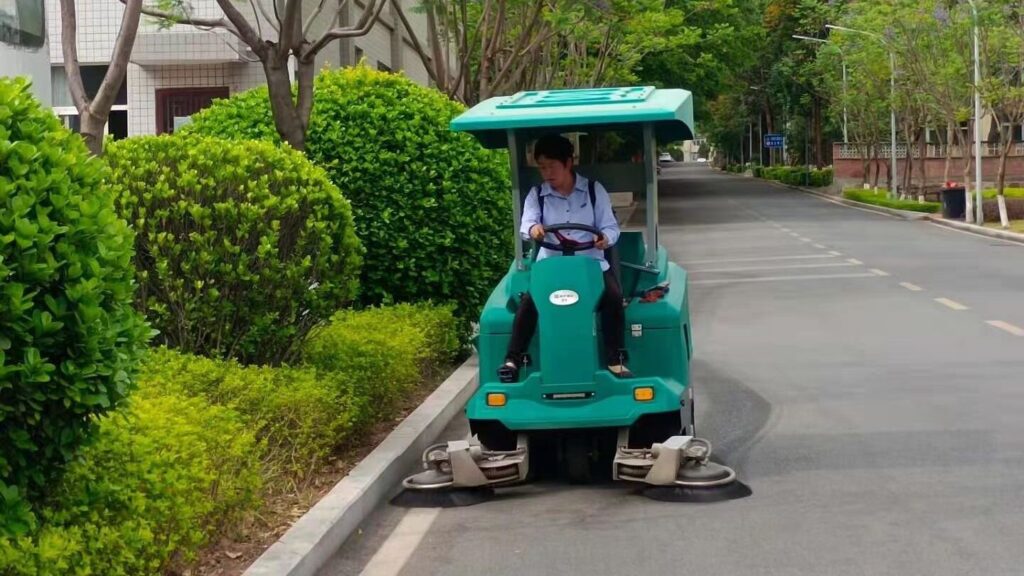
Maintenance-free lead-acid batteries (AGM or Gel types) are the most common choice in commercial floor scrubbers and sweeper due to their safety and cost-effectiveness. While manufacturers list a lifespan of 2–5 years or 500–1000 cycles, real-world usage tells a different story:
- Heavy industrial or multi-shift use: 1.5–2 years
- Moderate daily use (retail, offices, schools): 2–3 years
- Shallow discharge and careful maintenance: up to 3+ years
These numbers reflect actual operational environments. Even if a battery is technically rated for longer, intensive use, improper charging, or neglect can drastically reduce its lifespan.
Key Factors That Affect Battery Lifespan
Over the years, I’ve noticed that a few recurring factors consistently determine whether a battery thrives or fails prematurely:
1. Frequency and Intensity of Use
Machines operating 8–10 hours per day, six days a week, naturally cycle batteries more frequently. In my experience, batteries under this kind of heavy usage often last only about 18 months.
2. Depth of Discharge (DoD)
One simple habit can dramatically influence battery life: avoid deep discharges. Lead-acid batteries should not regularly drop below 20–30% of capacity. In our factory testing and client experiences, following this rule can extend battery life by up to a year.
3. Charging Practices
Using the correct charger and completing proper charging cycles is essential. I’ve seen too many cases where batteries were “starved” or overcharged, leading to premature failure. A smart three-stage charger (bulk, absorption, float) is highly recommended for maintenance-free batteries.
4. Maintenance Habits
Even maintenance-free batteries require some attention:
- Keep terminals clean and corrosion-free
- Ensure proper ventilation to avoid heat buildup
- Inspect batteries regularly for swelling, cracks, or leaks
5. Equipment Design
From a manufacturer’s standpoint, machine design matters. Machines with easy-access battery compartments, quality electrical components, and good ventilation protect the battery and extend its life.
Practical Tips to Maximize Lead-Acid Battery Life
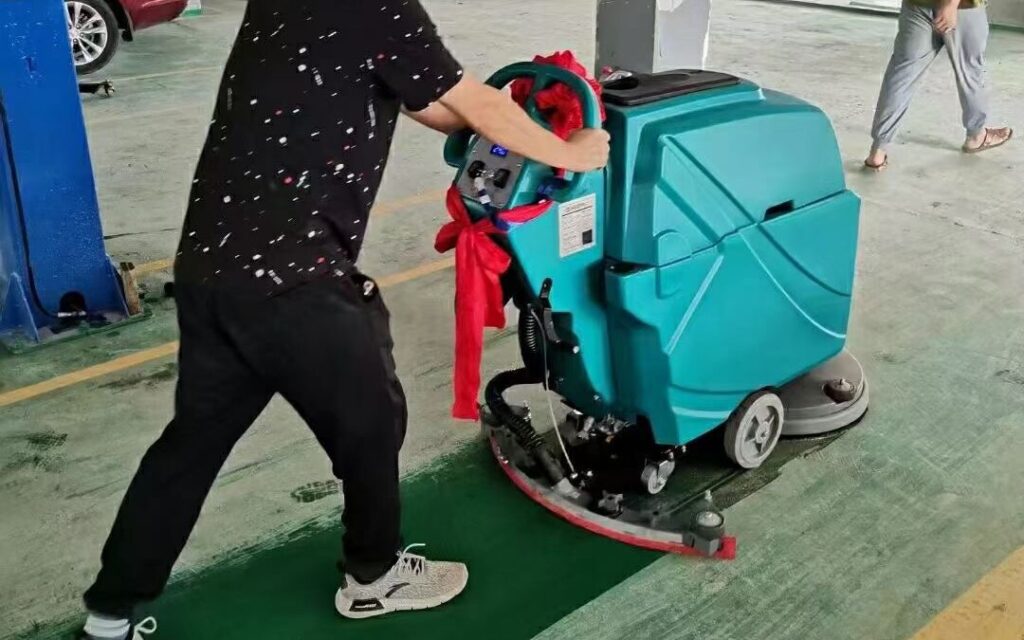
Based on my experience with both clients and production, here are the strategies that consistently improve battery performance:
- Charge daily after each use, even if the battery isn’t fully depleted
- Avoid deep discharges; recharge before it drops too low
- Use the correct charger for your battery type (AGM or Gel)
- Keep terminals clean and corrosion-free
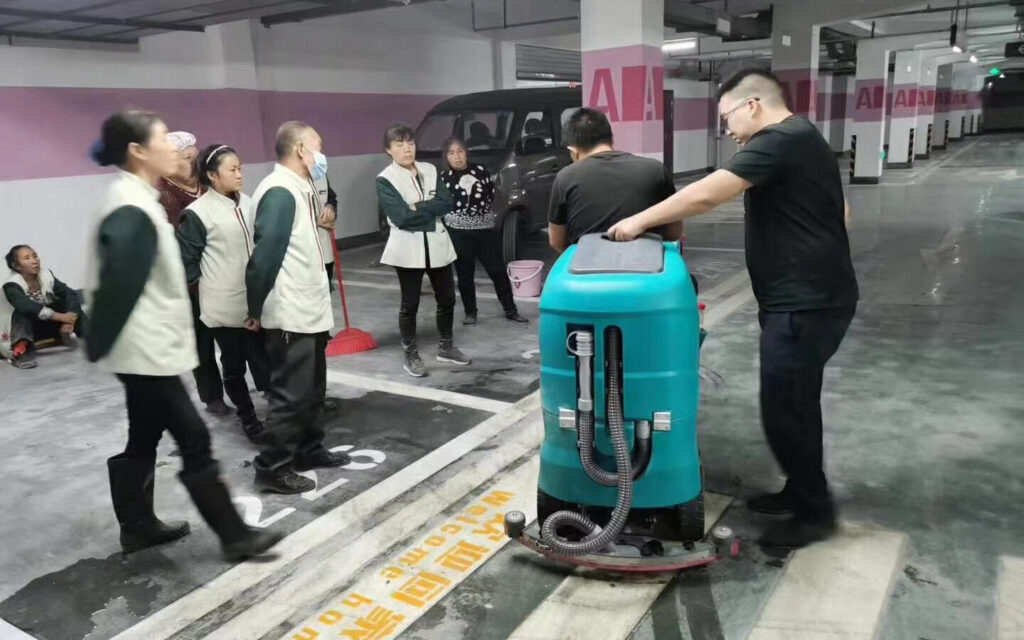
- Train operators on proper handling
Following these simple yet effective practices can extend battery life from 1.5–2 years up to 3 years, resulting in fewer replacements, less downtime, and better overall efficiency.
Lead-Acid vs Lithium: Which Is Right for Your Facility?
Many of our clients ask whether it’s worth investing in lithium batteries. Here’s how I break it down:
| Feature | Maintenance-Free Lead-Acid (AGM/Gel) | Lithium (LiFePO₄) |
|---|---|---|
| Lifespan | 1.5–3 years | 5–10 years |
| Maintenance | Minimal | None |
| Upfront Cost | Lower | Higher |
| Charging Time | 8–10 hours | 8-10 hours or 2–3 hours |
| Weight | Heavier | Lighter |
| Ideal Use | Standard daily shifts | Multi-shift, high-demand operations |
In most commercial settings, lead-acid batteries remain the cost-effective choice, especially when paired with good practices. Lithium batteries are great for intense multi-shift operations, but they come with a higher initial cost.
Real-Life Client Story: Extending Battery Life
Let me share a story from one of our clients in Europe.
A large warehouse purchased several of our commercial floor scrubbers equipped with AGM batteries. Given their heavy daily use, the client expected battery replacement after 18 months.
We worked with them to implement:
- Proper charging schedules
- Shallow discharge practices
- Terminal inspections and cleaning
- Operator training on handling and charging
Results:
- Batteries lasted nearly 3 years, far above industry averages
- Saved over €12,000 in replacement costs
- Reduced downtime by 25%
- Improved sustainability by reducing battery waste
This example demonstrates that working with a professional floor cleaning machine manufacturer is not just about equipment—it’s about expert guidance that delivers real operational value.
FAQ: Lead-Acid Battery Insights
Q1: How long do lead-acid batteries last in commercial floor scrubbers?
Typically 1.5–2 years under heavy use, up to 3 years with proper maintenance.
Q2: What is the difference between lithium and lead-acid batteries for cleaning machines?
Lithium batteries last longer, charge faster, and weigh less, but cost more upfront. Lead-acid is reliable, cost-effective, and ideal for standard operations.
Q3: How can I extend my floor cleaning machine battery life?
Avoid deep discharge, charge consistently with the correct charger, keep terminals clean, and train operators on proper usage.

Conclusion: Choose a Trusted Manufacturer for Long-Term Value
Understanding real-world lead-acid battery lifespan is crucial for operational efficiency and cost management. While maintenance-free lead-acid batteries typically last 1.5–2 years under heavy use, proper handling and maintenance can extend their life to 3 years or more.
At CY Cleaning Equipment (www.cleaningbling.com), we are more than a floor cleaning machine manufacturer. As a professional floor cleaning equipment supplier and industrial cleaning solutions factory, we combine high-quality machines with practical guidance to help you:
- Reduce downtime
- Maximize battery life
- Save costs
- Optimize cleaning efficiency
If you want commercial or industrial floor cleaning solutions designed for long-term reliability and efficiency, contact us today. We’ll help you choose the right machines and battery solutions for your facility’s needs.