When I first started working with industrial and commercial floor cleaning machines years ago, I quickly realized one thing: a scrubber or sweeper is only as good as the wear parts you put on it.
If you run a facility—whether it’s a warehouse, supermarket, hospital, or manufacturing plant—you’ve probably experienced this too. A machine that’s supposed to make your life easier suddenly becomes a headache simply because a squeegee blade curled too early, or a brush wore unevenly, or the vacuum motor filter clogged at the wrong time.
And if you’re researching “industrial floor scrubber parts lifespan vs. commercial machine parts lifespan,” you’re in the perfect place. Today, I want to share everything I’ve learned—both from working with facility managers and from manufacturers like ours—so you know exactly how long these parts last, when to replace them, and how to extend their lifespan.
This guide is written for people who care about operational efficiency, cost control, and keeping a machine running like new. If that sounds like you, then we’re already on the same page.
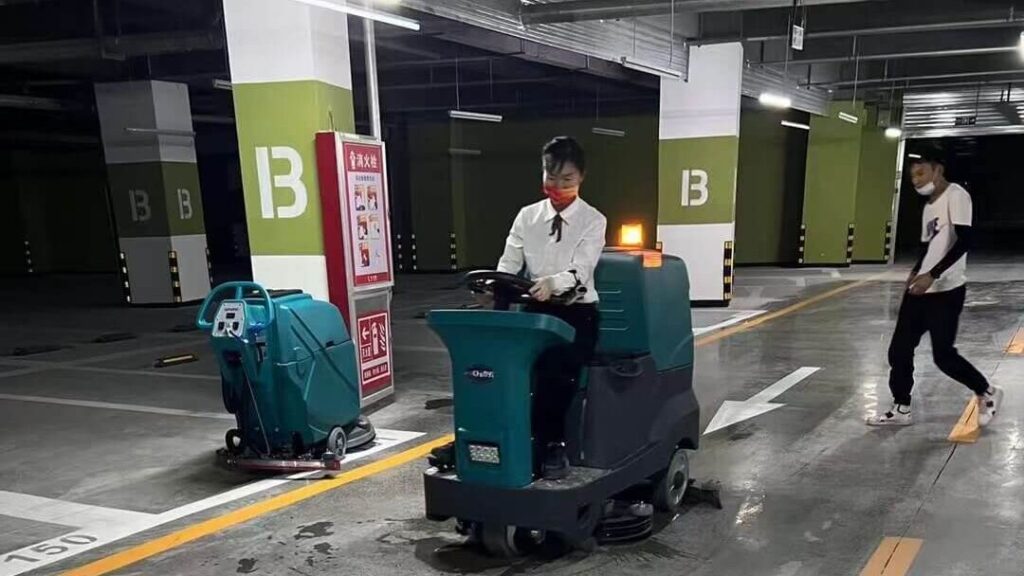
1. Industrial vs. Commercial Floor Cleaning Machines: Why Wear Parts Don’t Last the Same
One of the biggest misconceptions I see is that a scrubber or sweeper’s wear parts should last “the same amount of hours,” regardless of where the machine is used.
But the truth is:
Industrial machines operate in harsher environments, so wear parts have shorter lifespan—but higher durability requirements.
Here’s the difference:
Commercial Environments:
- Smooth floors
- Lower debris load
- Shorter daily run time
- Less chemical exposure
Result: Wear parts last longer.
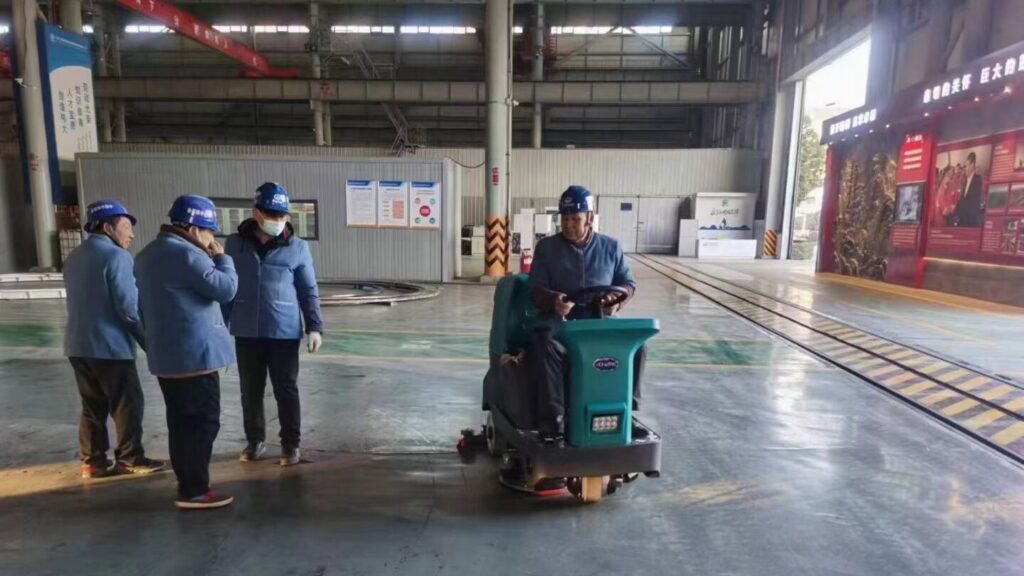
Industrial Environments:
- Rough surfaces
- Metal shavings, dust, rubber marks
- Longer daily use
- Frequent water contamination
- More aggressive cleaning chemicals
Result: Wear parts wear out faster.
Whenever I visit factories or logistics facilities, I always remind the team:
“Don’t compare your machine’s lifespan to a shopping mall’s machine—they’re living in completely different worlds.”
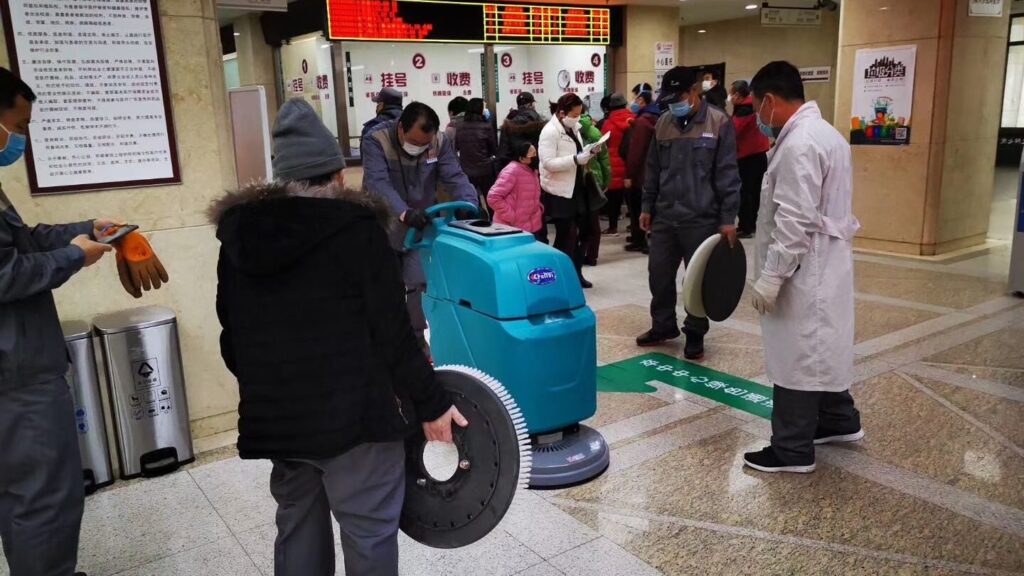
2. The Most Important Wear Parts in Floor Scrubbers & Sweepers
Below is the complete list of wear parts you must pay attention to. I’ll share lifespan estimates, replacement schedules, and real factors that influence durability.
2.1 Squeegee Blades
Typical Lifespan:
- Commercial use: 3–6 months
- Industrial use: 1–3 months
When to Replace:
- Streaks or water lines left behind
- Blade edges become rounded or cracked
- Suction performance drops
Factors Affecting Durability:
- Chemical exposure
- Floor roughness
- Blade rotation frequency
- Daily cleaning habits
When I work with new clients, 80% of streaking problems are simply due to a squeegee that should have been replaced two weeks earlier.
2.2 Brushes (Roller, Disc, and Side Brushes)
Roller/Drum Brushes – great for uneven floors
Disc Brushes – ideal for smooth floors
Side Brushes – mainly in sweepers
Typical Lifespan:
- Commercial: 6–12 months
- Industrial: 3–6 months
Replacement Signals:
- Reduced scrubbing performance
- Uneven brush bristles
- Increased noise
- Poor debris pickup
Factors Influencing Lifespan:
- Brush pressure
- Floor type
- Chemical usage
- Debris size
A client in a manufacturing plant once told me:
“Why did my brush last only 4 months?”
Then we checked the machine—and the brush pressure was set to the maximum.
Always check your pressure settings each week.
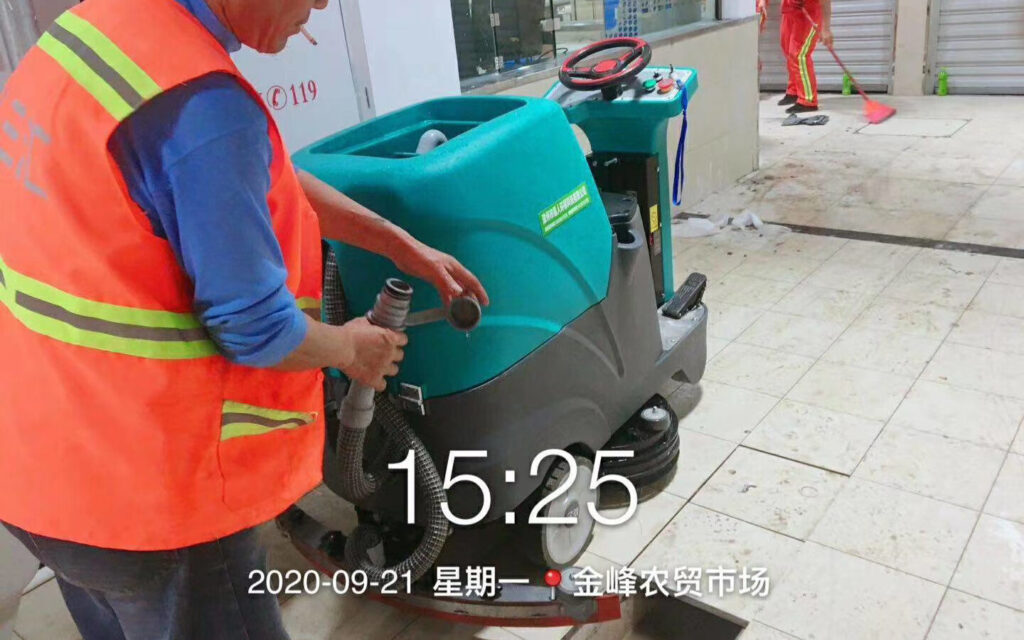
2.3 Filters (Dust Filter / Water Filter)
Dust Filters (Sweepers):
- Commercial: 6–12 months
- Industrial: 3–6 months
Water Filters (Scrubbers):
- Commercial: 6 months
- Industrial: 3 months
Signs of Failure:
- Weak suction
- Dust escaping the hopper
- Clogged water flow
Factors Affecting Lifespan:
- Dust level
- Machine hours per day
- Daily cleaning habits
One of my most important maintenance lessons:
A filter is the cheapest part that protects the most expensive components.
2.4 Batteries (AGM, Lithium, Gel)
Lifespan:
- Commercial: 2–4 years
- Industrial: 1.5–3 years
Replacement Indicators:
- Shortened runtime
- Overheating
- Voltage drops
What Affects Battery Lifespan:
- Charging habits
- Type of charger
- Daily usage hours
- Temperature
If your operation charges batteries overnight with an old charger, expect shorter lifespan.

2.5 Belts (Brush Belts, Drive Belts)
Typical Lifespan:
- Commercial: 1 year
- Industrial: 6 months
Failure Signs:
- Slipping / squeaking
- Reduced brush RPM
- Burning smell
I’ve personally seen belts fail in under 3 months in harsh factory environments—especially on rough concrete floors.
2.6 Vacuum Motor Consumables
Include:
- Motor filters
- Carbon brushes
Lifespan:
- Filters: 3–6 months
- Carbon brushes: 300–600 hours
Signs of Wear:
- Weak suction
- Motor overheating
- Increased noise
Vacuum motor repairs are expensive—replace carbon brushes before the motor burns out.
2.7 Skirts & Seals
These prevent water and debris from leaking out.
Lifespan:
- Commercial: 6–12 months
- Industrial: 3–6 months
Replace When:
- Water splashes out
- Skirts harden or crack
- Seals detach
2.8 Brooms (Main + Side Brooms for Sweepers)
Typical Lifespan:
- Commercial: 6–12 months
- Industrial: 3–6 months
Signs of Wear:
- Poor debris pickup
- “Snowplowing” effect
- Uneven bristles
Side brooms in parking lots typically wear out the fastest.

3. Lifespan Differences by Industry
Here’s one thing I’ve noticed after talking to hundreds of facility managers:
The industry you operate in matters more than the brand of the machine.
Below is my real-world experience:
Warehouses
- Lots of dust + forklift rubber marks
- Wear parts degrade faster
- Average part lifespan: 70% of commercial use
Logistics Centers
- Long operating hours
- Side brushes wear quickly
- Filters collect huge amounts of fine dust
Supermarkets
- Smooth floors
- Gentle debris
- Wear parts last long—up to double industrial use
Schools
- Light usage
- Good environment
- Squeegee blades last longest here
Hospitals
- Daily disinfectants
- Chemicals reduce rubber lifespan
Parking Lots
- Rough pavement
- Destroy brushes the fastest
- Squeegees decline rapidly
Manufacturing Factories
- Metal shavings
- Oil
- Heavy dust
- These are the toughest environments for scrubbers and sweepers
I always tell teams in factories:
“If your parts last as long as a supermarket’s machine—you’re a miracle.”
4. Wear Parts Lifespan & Replacement Schedule Table
This is the exact format Google loves for Featured Snippets:
| Wear Part | Typical Lifespan | Replacement Frequency | Notes |
|---|---|---|---|
| Squeegee Blades | 1–6 months | Rotate weekly, replace when streaking | Chemicals and rough floors reduce lifespan |
| Roller/Disc Brushes | 3–12 months | Check monthly | High brush pressure shortens lifespan |
| Side Brooms | 3–12 months | Replace when bristles shorten | Parking lots wear fastest |
| Dust Filters | 3–12 months | Inspect weekly | Fine dust clogs quickly |
| Water Filters | 3–6 months | Replace every 3 months | Protects pump and valves |
| Batteries | 1.5–4 years | Test quarterly | Charging habits are critical |
| Belts | 6–12 months | Replace when slipping | Inspect for cracks |
| Vacuum Motor Consumables | 300–600 hours | Replace carbon brushes early | Saves motor cost |
| Skirts & Seals | 3–12 months | Replace when leaking | Chemical exposure matters |
5. Maintenance Tips That Actually Extend Lifespan
These are habits I’ve personally seen make a huge difference.
Daily
- Clean squeegee blades after every shift
- Rinse recovery tank
- Empty debris tray
Weekly
- Inspect brush pressure
- Check belts
- Clean dust filter
- Examine skirts & seals
Monthly
- Test battery performance
- Deep clean solution system
- Rotate squeegee blades
Quarterly
- Replace water filter
- Inspect vacuum motor carbon brushes
- Check wheel and caster alignment
Annually
- Full system inspection
- Software updates (for smart machines)
A machine maintained well can reduce total cost by 20–40% over its lifetime.
6. Common Problems Caused by Worn Parts
If you skip part replacements, here’s what happens (I’ve seen these many times):
- Streaky floors → worn squeegee
- Low scrubbing power → worn brushes
- Dust escaping → clogged filter
- Machine dragging → damaged skirts
- Short runtime → battery aging
- Motor burnout → ignored carbon brushes
The repair bill is always higher than the replacement part.
7. How to Choose Reliable Wear Parts from Manufacturers
This part is important if you’re comparing suppliers.
Look for:
- Consistent rubber hardness in squeegees
- High-density bristles in brushes
- Industrial-grade filtration
- OEM-compatible battery specs
- Engineering support
- Clear documentation
And yes—a trustworthy factory matters.
Manufacturers like CleaningBling, operating as a professional floor cleaning machine manufacturer and industrial floor cleaning solutions supplier, provide OEM-grade wear parts compatible with most commercial and industrial models.
8. Final Thoughts (From My Personal Experience)
If you’ve ever had a machine fail in the middle of a shift, you already know how important these wear parts are. I’ve been in warehouses at 2 a.m. helping teams troubleshoot machines only to discover the problem was nothing more than a $20 squeegee blade or a clogged filter.
Taking care of wear parts isn’t just maintenance—it’s the difference between a smooth operation and constant downtime.
If this guide helps you better understand your machine, plan your budget, or improve your maintenance schedule, then I’m glad we connected today.
9. FAQ
1. How often should floor scrubber brushes be replaced?
Every 3–12 months depending on floor type and usage hours.
2. Do squeegee blades wear faster on industrial floors?
Yes—industrial floors shorten lifespan by 50% or more.
3. How do I know when a sweeper side brush is worn out?
When the bristles shorten or the brush stops reaching corners.
4. What destroys wear parts the fastest?
- Rough concrete
- Oil and chemicals
- Incorrect brush pressure
- Poor cleaning habits
5. How do I extend the lifespan of my machine?
Follow a daily and weekly maintenance plan, and replace parts according to schedule.