
When I first walked into a warehouse years ago to help a facility manager troubleshoot his floor scrubber, I thought the issue would be simple—maybe a worn squeegee or a clogged water line. Instead, I found a half-dead battery that had barely lasted nine months. His team had chosen the “cheapest” battery on the market, and now they were paying the price in downtime, frustration, and unexpected costs.
That experience stuck with me, and it’s why I always remind customers: not all lead-acid batteries are created equal. The way a battery is built—from the raw materials to the final quality checks—can make or break your cleaning operations.
If you’re responsible for purchasing or maintaining floor cleaning machines, you know batteries aren’t just another component. They’re the heart of your scrubbers and sweepers. Without reliable power, even the best-designed equipment can’t deliver.
In this article, I’ll walk you through how differences in battery manufacturing impact runtime, cost of ownership, and the overall reliability of your machines. And I’ll share what I’ve seen firsthand as a floor cleaning machine manufacturer helping clients around the world.
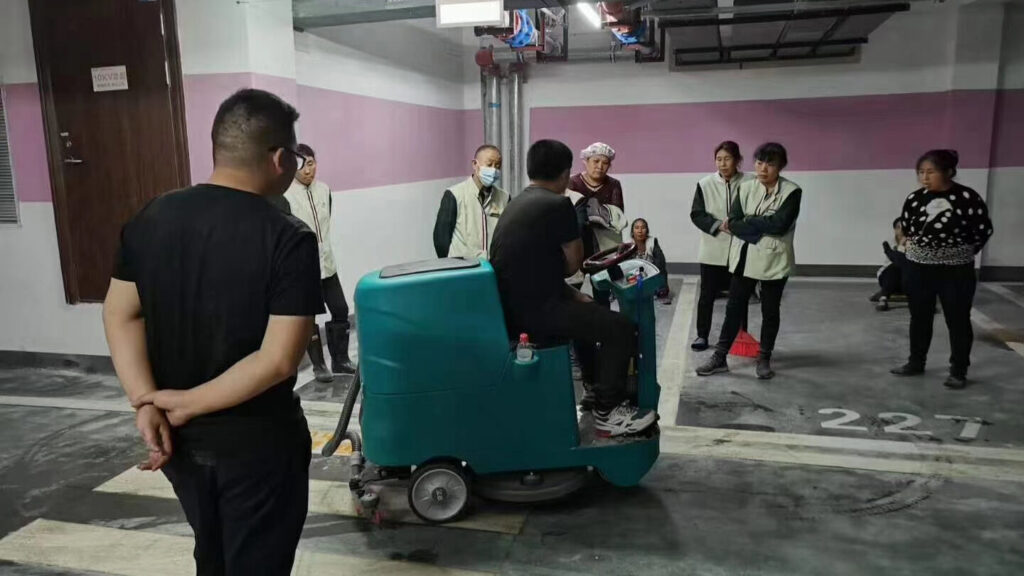
I. Why Batteries Are the Heart of Floor Cleaning Equipment
Think about it: when your industrial floor scrubber or commercial sweeper goes down, it’s not just a piece of equipment sitting idle. It’s lost labor hours, disrupted schedules, and sometimes even customer complaints about cleanliness.
Here’s why batteries matter so much:
- Runtime: Determines how long your cleaning crew can work before recharging.
- Downtime costs: Unplanned failures stall operations and create frustration.
- Total cost of ownership (TCO): A “cheap” battery may save money upfront but cost more in frequent replacements.
- Consistent performance: Strong, reliable batteries ensure cleaning quality from start to finish.
I’ve seen maintenance supervisors literally build backup charging stations because their bargain batteries couldn’t hold a charge long enough to complete a shift. That’s not efficiency—that’s a hidden cost.

II. What Makes Lead-Acid Batteries Different Across Manufacturers
So why do two batteries—both labeled AGM, Gel, or Flooded—perform so differently? The answer lies in the manufacturing.
1. Raw Materials Quality
- Lead purity: High-purity lead resists corrosion, extending cycle life. Cheaper brands often use recycled or impure lead, which shortens lifespan.
- Separators: These thin layers between the plates control safety and performance. Advanced separators prevent internal shorts and improve efficiency.
- Electrolyte consistency: The right acid mixture ensures stable charging and discharging. Poor mixing = uneven performance.
I once visited a factory where the supplier used cheaper separators to cut costs. Six months later, several batteries from that batch were failing in the field. Lesson learned: materials matter.
2. Manufacturing Process
- Automation vs manual labor: Automated production ensures precision. Hand-assembled batteries often show inconsistencies.
- Plate thickness: Thicker plates store more energy and last longer. Thin plates may be lighter and cheaper, but they sacrifice durability.
- Quality testing: Leading brands run every batch through capacity and safety tests. Some low-cost factories skip these entirely.
3. Design Priorities
- Some brands design for low initial price.
- Others prioritize long-term performance and reliability.
This design philosophy impacts everything from charging efficiency to weight to expected lifespan.
4. After-Sales Support
With a big brand, you get warranty protection, service centers, and peace of mind. With no-name brands? If the battery fails, you’re usually on your own.
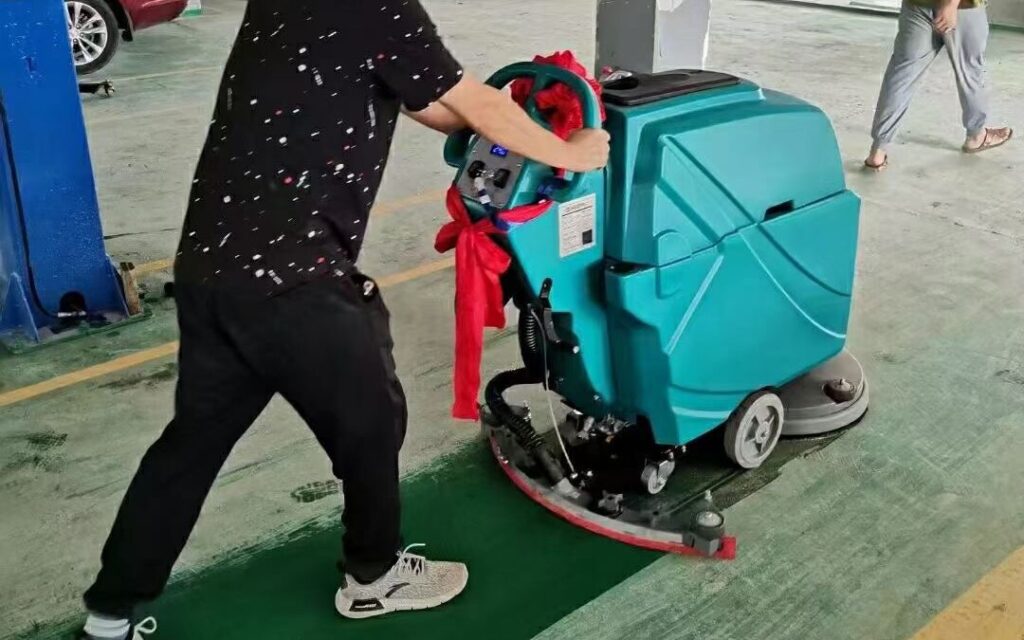
III. Comparing the Same Battery Type Across Brands
Let’s take AGM batteries as an example.
- Brand A (premium): 500–600 cycles, stable runtime, 1-year warranty.
- Brand B (budget): 300–400 cycles, capacity drops quickly, no warranty.
On paper, they’re both “AGM.” But in practice, Brand A lasts nearly twice as long.
Case Study: Facility Switch
One logistics center I worked with ran five large scrubbers. Their budget AGMs failed within a year, often mid-shift. When they switched to a premium brand, runtime improved by nearly 20% and battery replacement cycles doubled. The total cost of ownership actually went down—even though the initial investment was higher.
That’s why comparing only the upfront cost is misleading. Brand reputation and build quality directly affect your bottom line.
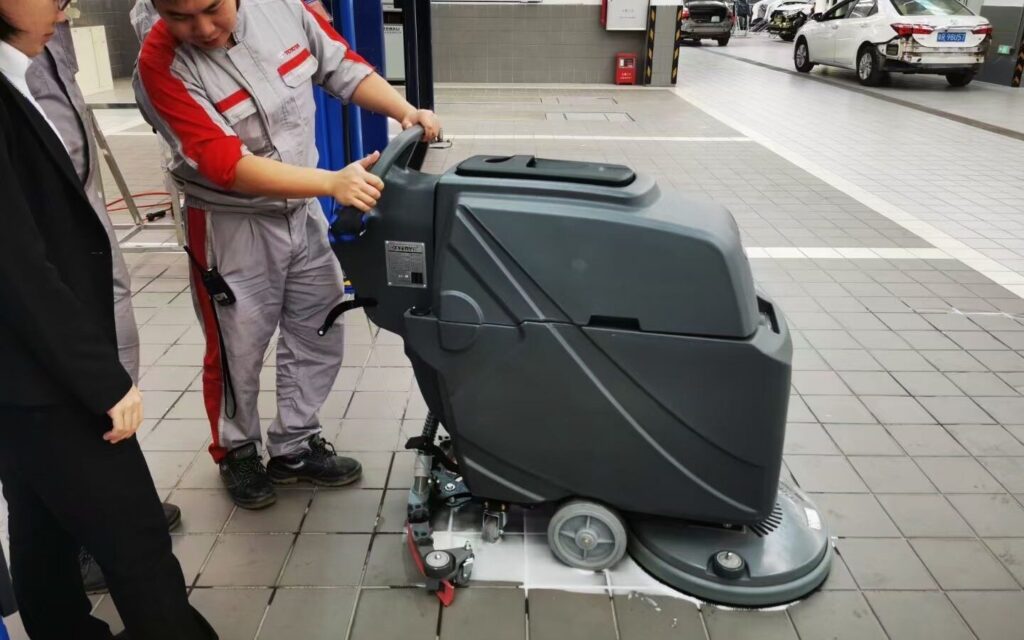
IV. Impact on Floor Cleaning Equipment
The wrong battery doesn’t just shorten runtime—it affects your whole operation.
- Short lifespan = frequent replacements = higher costs
- Poor voltage stability = motor strain and possible electronic damage
- Downtime = cleaning delays and unhappy clients
- Reliable batteries = smooth operations, predictable schedules
As an industrial floor cleaning solutions manufacturer, I’ve seen companies cut battery budgets only to overspend later on repairs, labor, and replacements.
V. Why Big-Brand Batteries Are Safer for Industrial Use
It’s tempting to save money on “generic” batteries. But in my experience, the risks outweigh the savings.
Here’s why big brands are worth it:
- Consistent quality control → fewer failures
- Tested compatibility → proven performance with leading cleaning machines
- Reliable supply chain → easy to source replacements worldwide
- Warranty protection → financial safety net
- Better ROI → higher upfront cost, but lower lifetime cost
I’ve lost count of how many times facility managers told me, “We should have gone with the big brand from the start.”
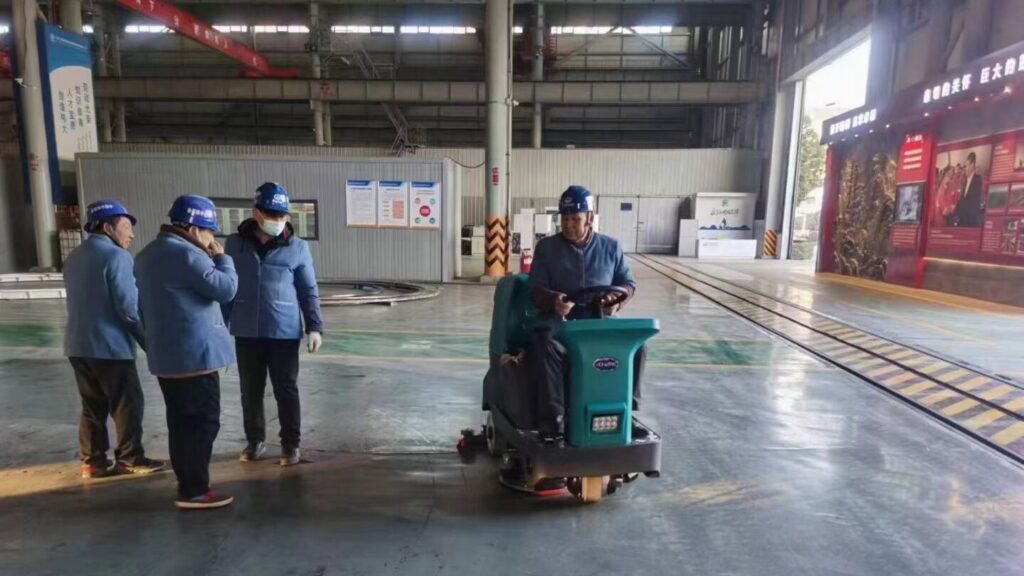
VI. Professional Recommendations
So, what should you choose for your commercial floor cleaning equipment?
Flooded Lead-Acid Batteries
- ✅ Lowest purchase price
- ❌ Requires regular watering & terminal cleaning
- Good for facilities with skilled maintenance teams and lower budgets
AGM (Absorbent Glass Mat) Batteries
- ✅ Maintenance-free, durable, reliable
- ✅ Best balance of performance vs cost
- My personal recommendation for most industrial applications
Gel Batteries
- ✅ Excellent for sensitive environments (hospitals, food & beverage)
- ❌ Higher cost and slower charging
- Worth it where safety and minimal gassing are priorities
👉 My advice: don’t just choose by type—choose by brand reputation and support.
VII. Comparison Table: Flooded vs AGM vs Gel
| Battery Type | Avg. Cycle Life | Maintenance | Cost | Best Use Cases | Notes |
|---|---|---|---|---|---|
| Flooded | ~400–600 cycles | High (watering needed) | Low | Warehouses with skilled staff | Cheapest upfront, highest upkeep |
| AGM | ~500–600 cycles | None (sealed) | Medium | Most industrial scrubbers/sweepers | Best value for money |
| Gel | ~500–700 cycles | None (sealed) | High | Hospitals, food processing plants | Safer but charges slower |
VIII. Conclusion: From Factory to Floor
At the end of the day, a battery isn’t just a box of lead and acid—it’s the lifeblood of your floor cleaning machine. How it’s built, the materials used, and the brand behind it all directly impact your operation.
Cheap, poorly made batteries may save a little upfront, but they cost you dearly in downtime, frustration, and replacement cycles. Reputable, big-brand batteries deliver consistent runtime, longer life, and lower total cost of ownership.
From my own experience in the field, I can say this with confidence: battery choice = business impact.
FAQ: Choosing the Right Battery for Your Floor Cleaning Machines
1. How long do AGM batteries last in a floor scrubber?
From my experience working with facilities worldwide, a high-quality AGM battery can last 500–600 cycles, which usually translates to 1–2 years under normal industrial use. Cheaper brands often fail much sooner, which is why I always recommend going with a reputable manufacturer. Proper charging and maintenance also play a big role in extending lifespan.
2. Are Gel batteries worth it for commercial sweepers?
Yes—if your facility has sensitive cleaning environments like hospitals or food processing areas. Gel batteries are sealed, safer, and produce less gassing compared to Flooded batteries. However, they come at a higher upfront cost and charge slower. For general warehouse or industrial use, AGM batteries often provide a better balance of cost and performance.
3. Can I use any brand of lead-acid battery in my floor cleaning machine?
Not exactly. While your machine may technically accept different batteries of the same type (AGM, Gel, or Flooded), performance and lifespan vary significantly by brand. I’ve seen the same model scrubber run reliably on premium batteries but struggle with cheap, no-name alternatives. Always check manufacturer recommendations and consider big-brand batteries for consistent performance.
4. How does battery choice affect total cost of ownership for floor cleaning machines?
A lower-cost battery might save money upfront, but if it fails quickly, you’ll incur higher replacement costs, more downtime, and additional labor. Investing in high-quality, branded batteries increases upfront cost slightly but reduces long-term expenses, making your industrial floor cleaning solutions more cost-efficient.
5. What maintenance tips help extend battery life?
- Regular charging: Avoid letting the battery fully discharge repeatedly.
- Clean terminals: Prevent corrosion to maintain efficient power flow.
- Check electrolyte levels: Important for Flooded batteries.
- Use reputable chargers: Poor chargers can shorten lifespan.
Following these simple steps can increase runtime, reduce downtime, and extend the life of your floor cleaning machines, which ultimately improves operational efficiency.
IX. Final Thoughts
If you’re weighing options—whether it’s AGM vs Gel batteries for floor scrubbers or wondering about the best battery brand for your floor cleaning machines—don’t make the decision in isolation.
At CY Cleaning Equipment, we’re more than just a commercial floor cleaning equipment supplier. As a professional floor cleaning machine manufacturer, we help businesses choose the right machines and the right batteries to maximize ROI.
👉 Visit www.cleaningbling.com today or reach out for personalized advice. Let’s make sure your machines are powered for performance, not problems.