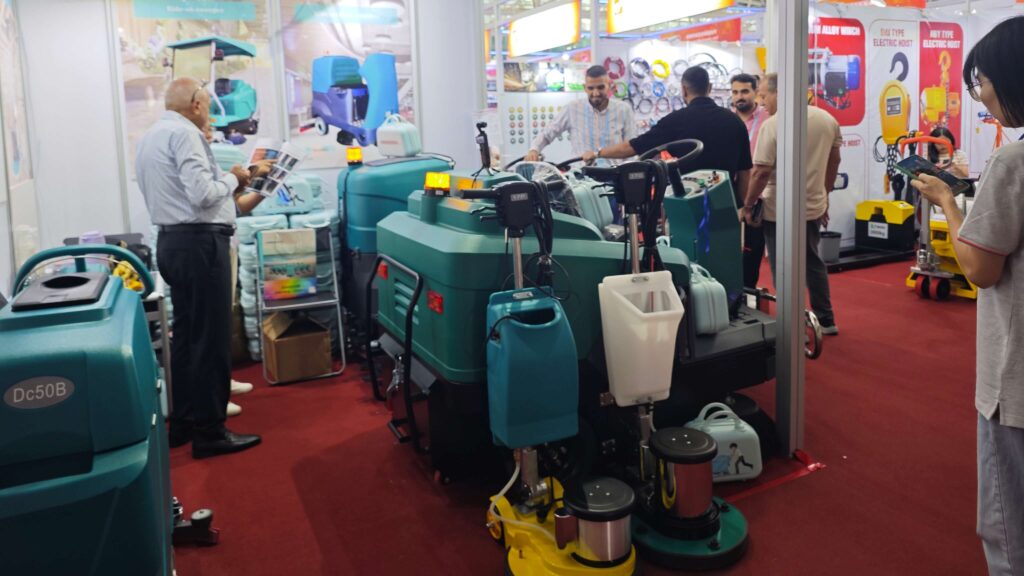
I’ve been working inside a floor cleaning tools manufacturer for many years, and if there’s one question distributors ask me more than any other, it’s not “What machine do you sell?”
It’s “How do we actually make money doing this long-term?”
This article is written for distributors, importers, and dealers who want real answers — not marketing slogans. I’m sharing what I’ve personally seen from factory floors, distributor meetings, failed partnerships, and successful ones that grew year after year.
If you’re evaluating a floor cleaning machine manufacturer or trying to improve your ROI as a distributor, this guide is meant to feel relevant, practical, and honest.
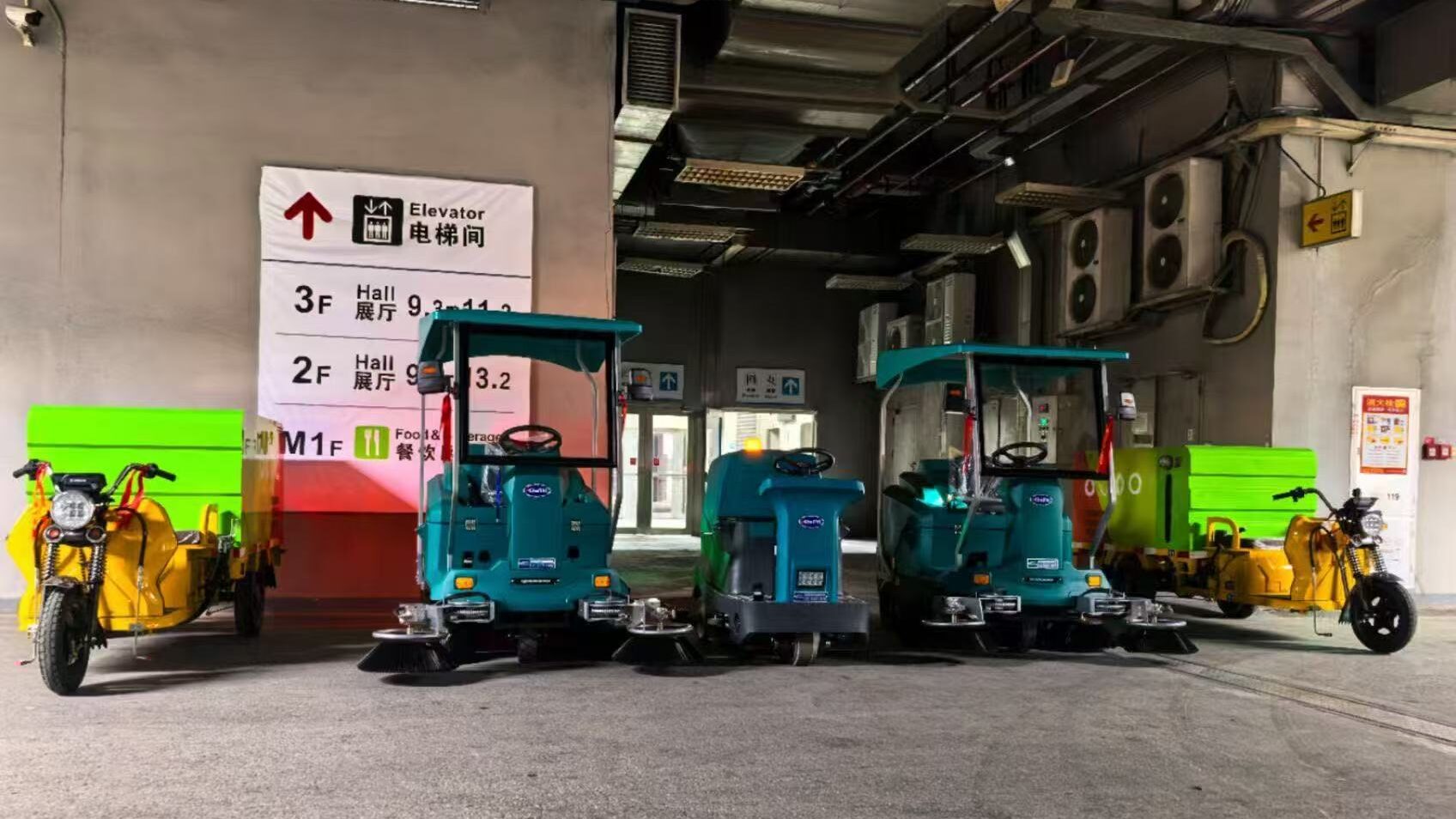
Overview of the Industrial & Commercial Floor Cleaning Market
The industrial & commercial floor cleaning market keeps growing, but not because it’s trendy. It’s growing because the problems it solves are very real.
Factories are expanding. Warehouses are operating around the clock. Supermarkets, shopping malls, hospitals, and airports are under constant pressure to meet higher cleanliness standards — often with fewer workers and tighter budgets.
From what we see at the manufacturing level, three things are driving demand:
- Manual cleaning is no longer efficient for large floor areas
- Labor costs keep rising, while skilled workers are harder to retain
- Facility managers want consistent, machine-driven results
This is why floor scrubbers and sweepers are now standard equipment in factories, logistics centers, and commercial spaces. They’re not upgrades anymore — they’re necessities.
At the same time, distributors are changing how they think. Instead of focusing on selling a single machine, many now ask:
- Can we offer a complete cleaning solution?
- Can we support customers after installation?
- Can we build repeat revenue, not just one-off sales?
That’s why distributors increasingly look for manufacturers with complete product portfolios, not just one or two models.

Product Composition for Floor Cleaning Machine Distributors
This section is the core of the article, because your product structure determines your profit structure.
1. Floor Cleaning Machines (Main Revenue Source)
For most distributors, floor cleaning machines are still the main source of revenue and the fastest way to enter customer accounts.
A professional commercial floor cleaning equipment supplier typically offers several key categories:
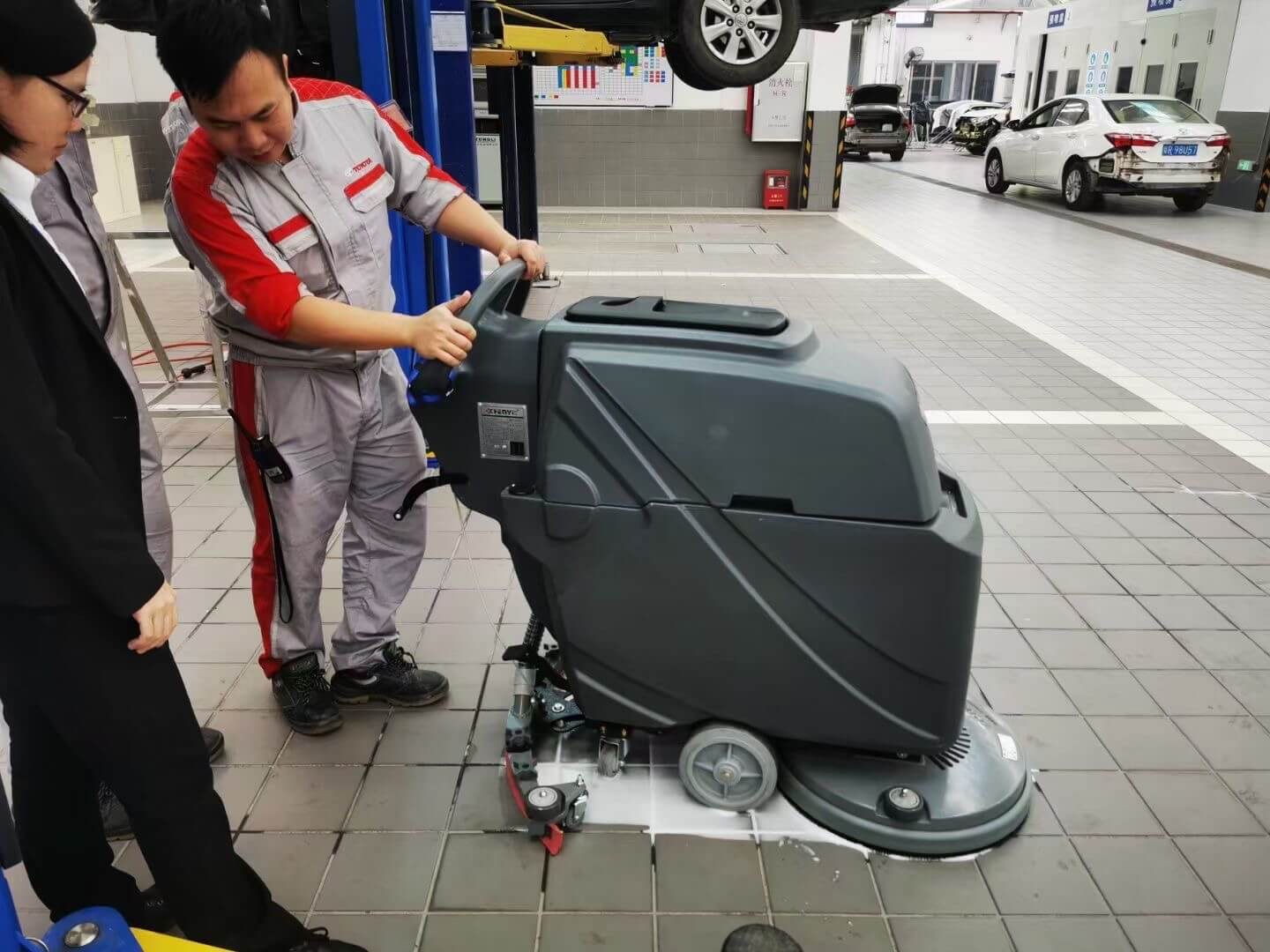
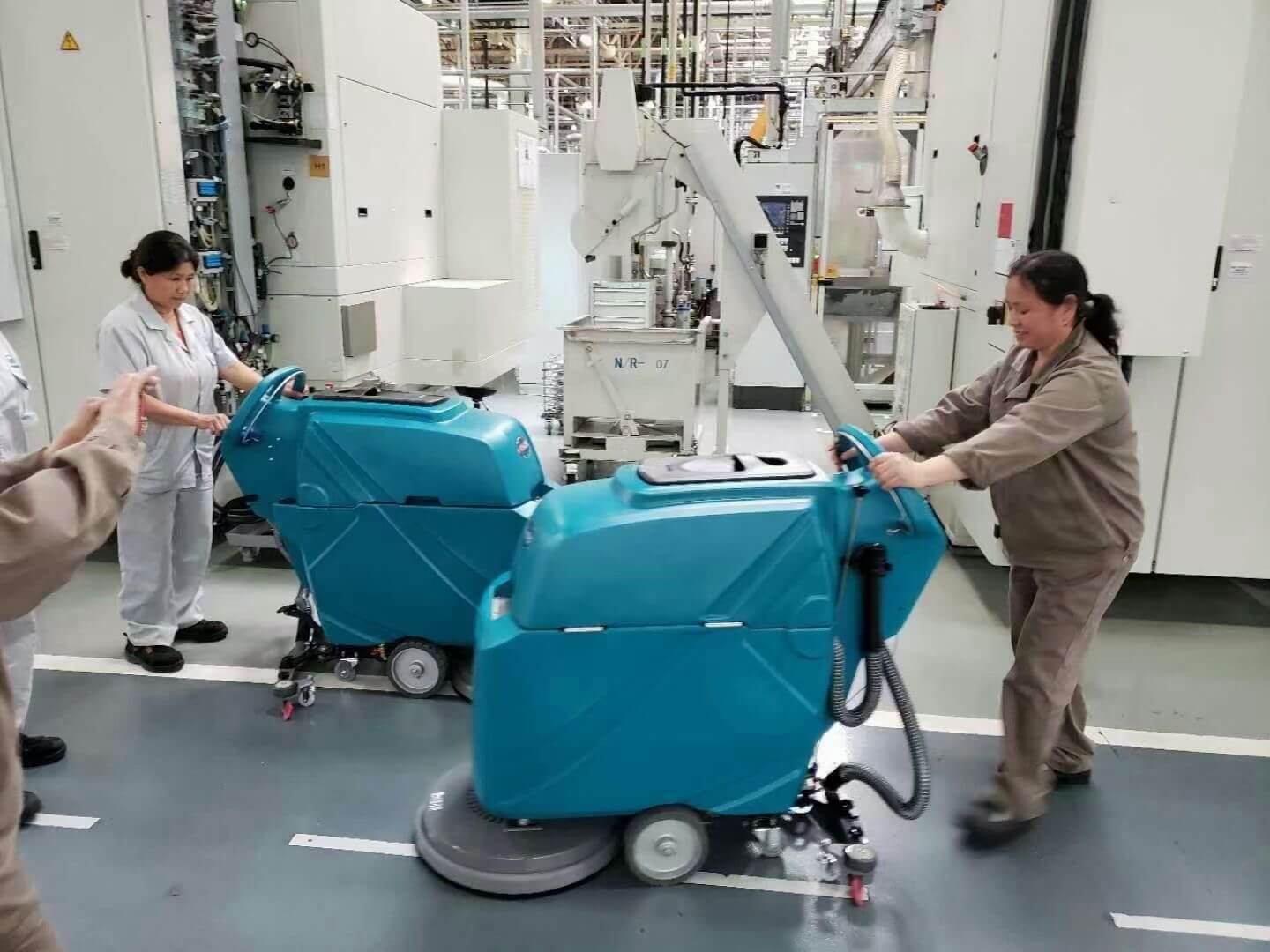
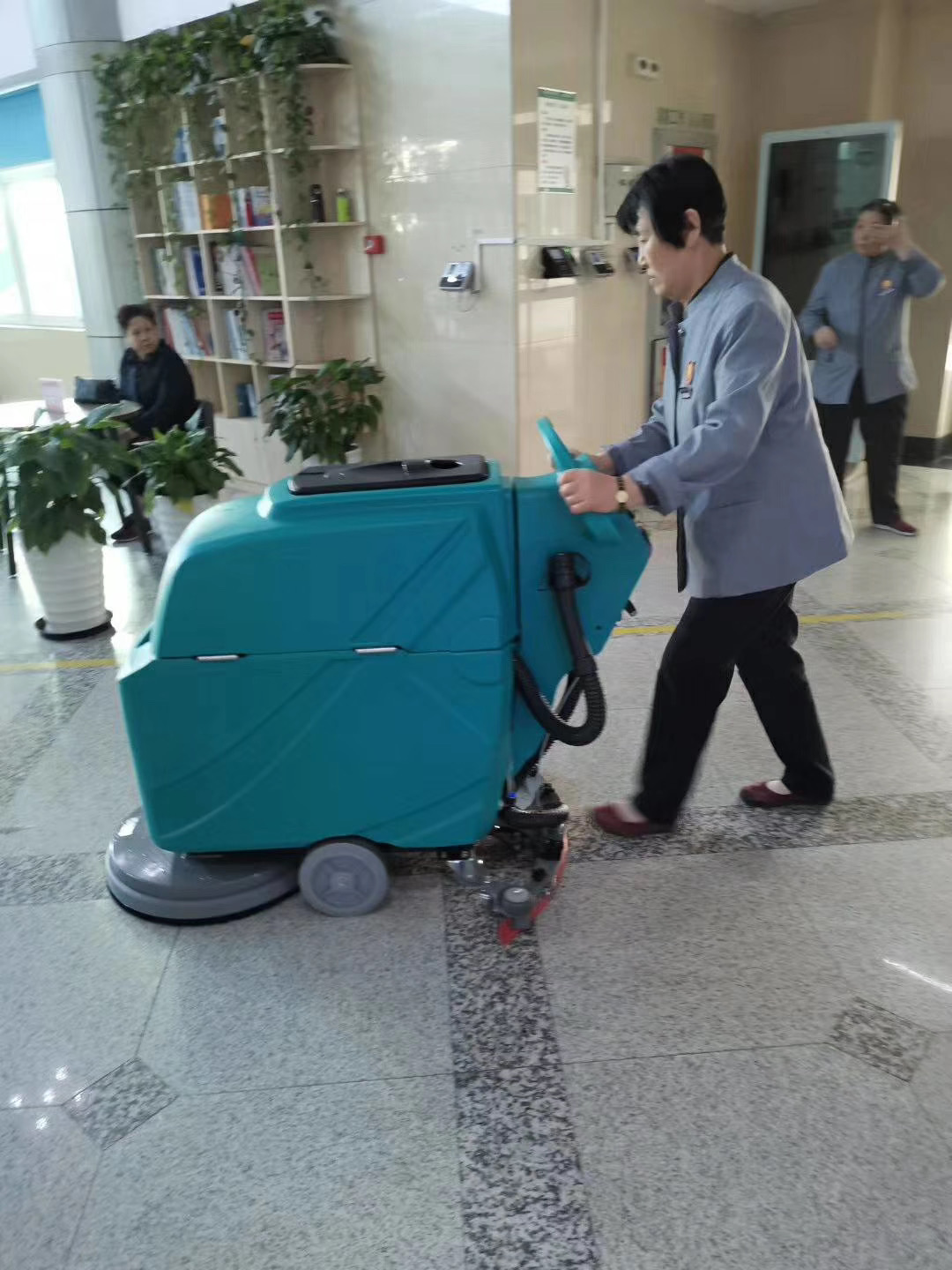
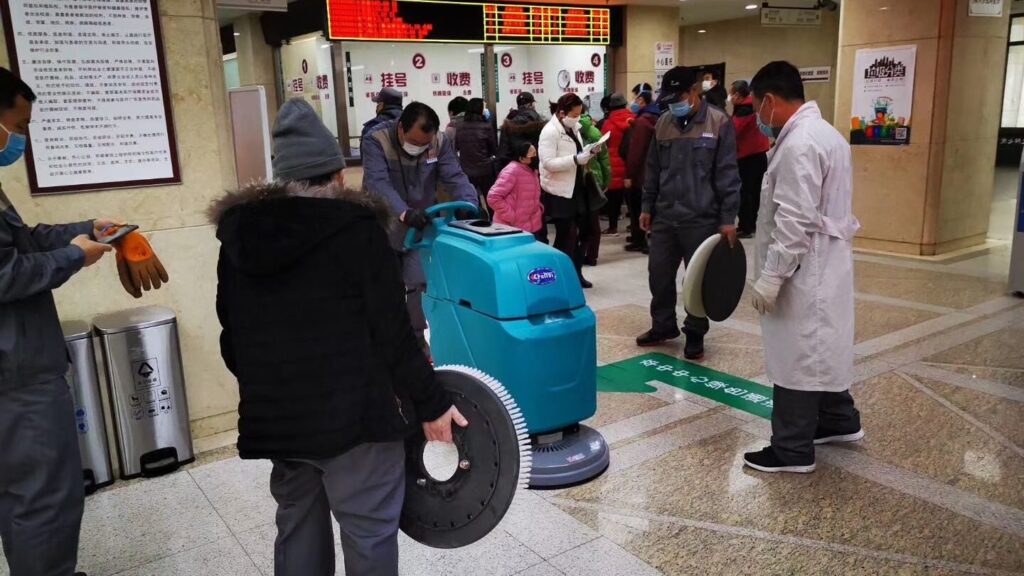
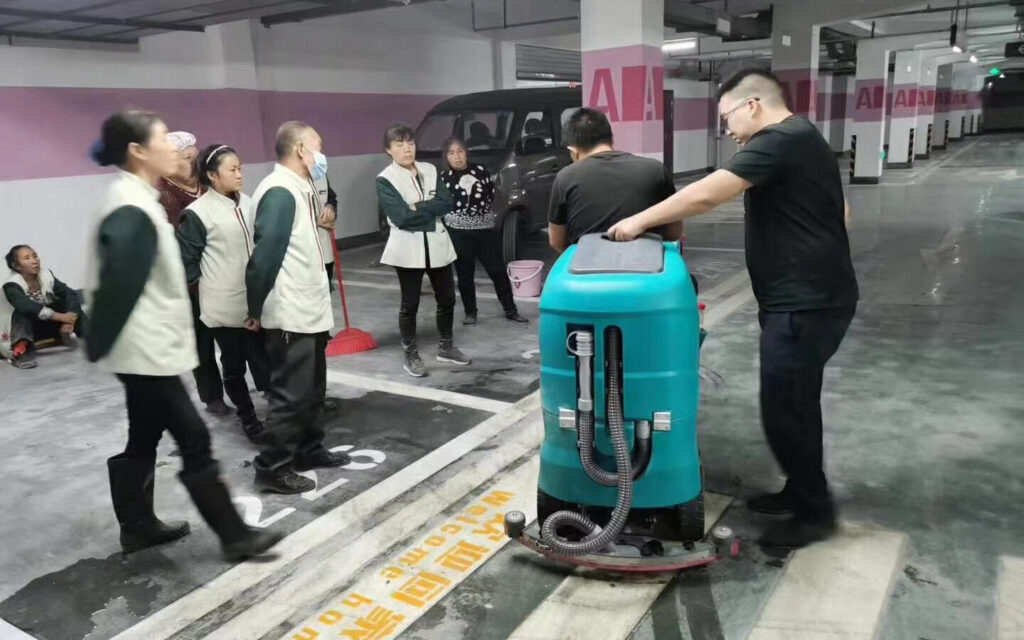
Walk-behind floor scrubbers
These machines are commonly used in:
- Supermarkets
- Schools
- Hospitals
- Small and medium factories
From my experience, walk-behind scrubbers are often the first machine a customer buys. They are easier to operate, easier to demonstrate, and usually easier to sell.
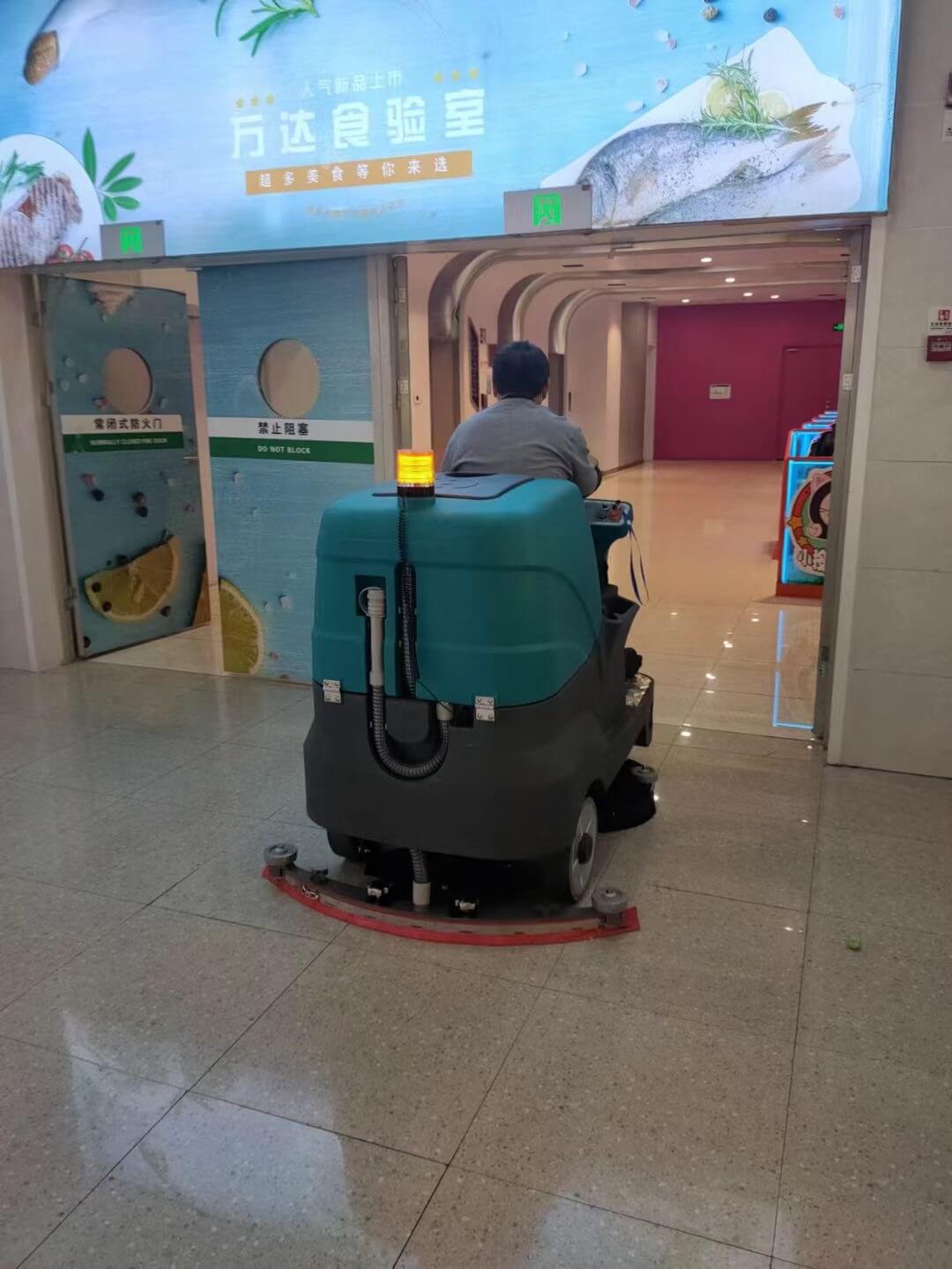
Ride-on floor scrubbers
Ride-on scrubbers are essential for large-area environments such as:
- Warehouses
- Logistics centers
- Large production plants
They bring higher order values, but they also require better technical understanding — battery systems, productivity calculations, and maintenance cycles all matter here.
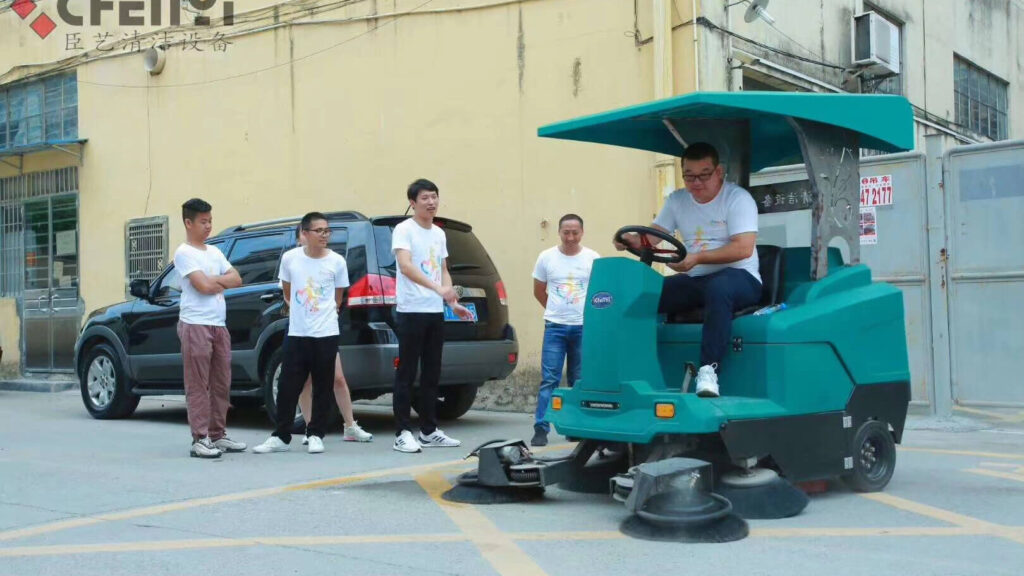
Industrial sweepers
Sweepers are designed to handle dust, debris, and solid waste in:
- Industrial parks
- Parking areas
- Outdoor factory spaces
Many distributors underestimate sweepers at the beginning. But once you start working with industrial clients, sweepers quickly become unavoidable — and profitable.
Combination scrubber-sweepers
These machines combine sweeping and scrubbing in one pass and are mainly used in heavy-duty industrial environments. They are more specialized, but in the right application, they solve serious efficiency problems.
One thing I always emphasize to distributors is the difference between industrial and commercial usage:
- Commercial environments prioritize low noise, compact design, and ease of use
- Industrial environments require higher power, longer duty cycles, and stronger machine structures
Understanding this difference helps distributors avoid mis-selling and costly after-sales issues.

2. Consumables & Cleaning Supplies (Recurring Profit)
This is the part of the business that most competitors barely explain — but experienced distributors know it’s where real stability comes from.
Every floor cleaning machine consumes parts. No exceptions.
The most common consumables and cleaning supplies include:
- Brushes (disc brushes and roller brushes)
- Squeegees
- Filters
- Pads
- Cleaning chemicals
I often tell new distributors something very simple:
“Consumables bring stable and repeat orders for distributors.”
Why is this so important?
- Consumables wear out regularly
- Customers must replace them regardless of economic conditions
- Orders repeat naturally without aggressive selling
- Gross margins are usually higher than machines
When you supply both the machine and the consumables, you stop being just a vendor. You become part of your customer’s daily operation — and that relationship lasts.
Cost Structure for Floor Cleaning Equipment Distributors
Let’s talk about costs the way industry insiders do, not the way brochures do.
Based on years of feedback from distributors in different regions, the typical cost structure looks like this:
- Equipment purchase cost: usually 55–70% of total cost
This includes machines purchased from a floor cleaning tools manufacturer. - Import & logistics cost: around 8–15%
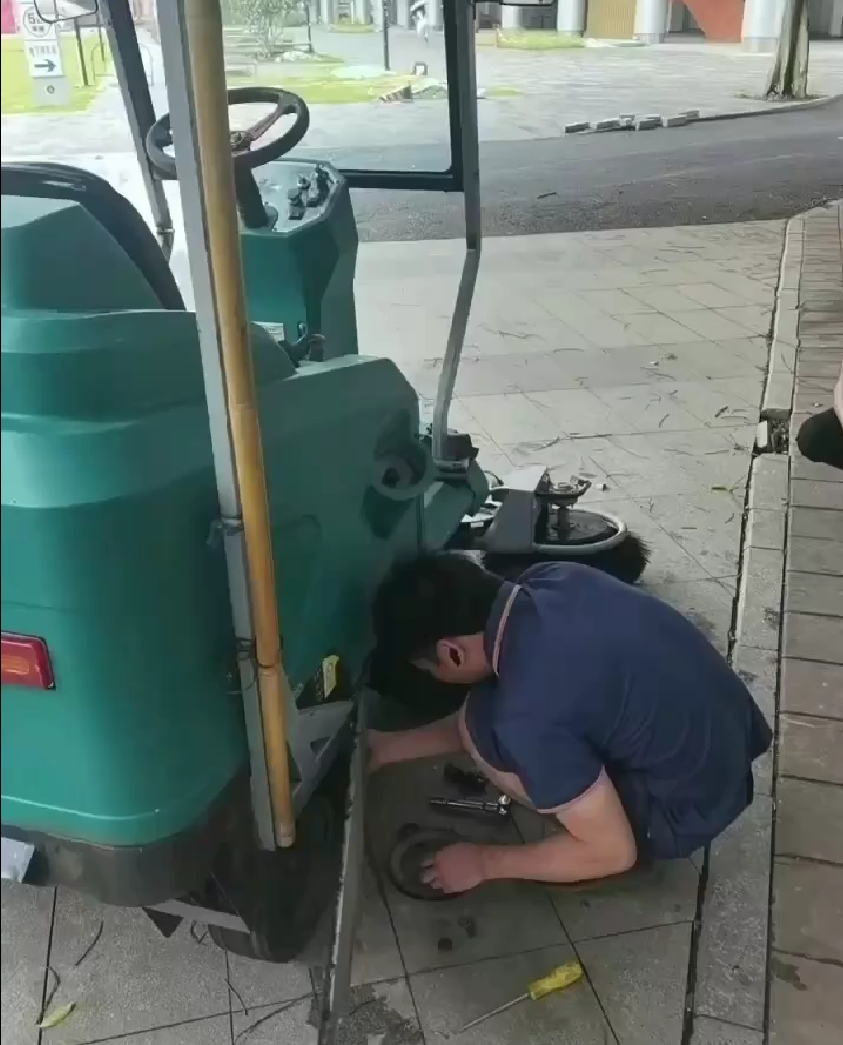
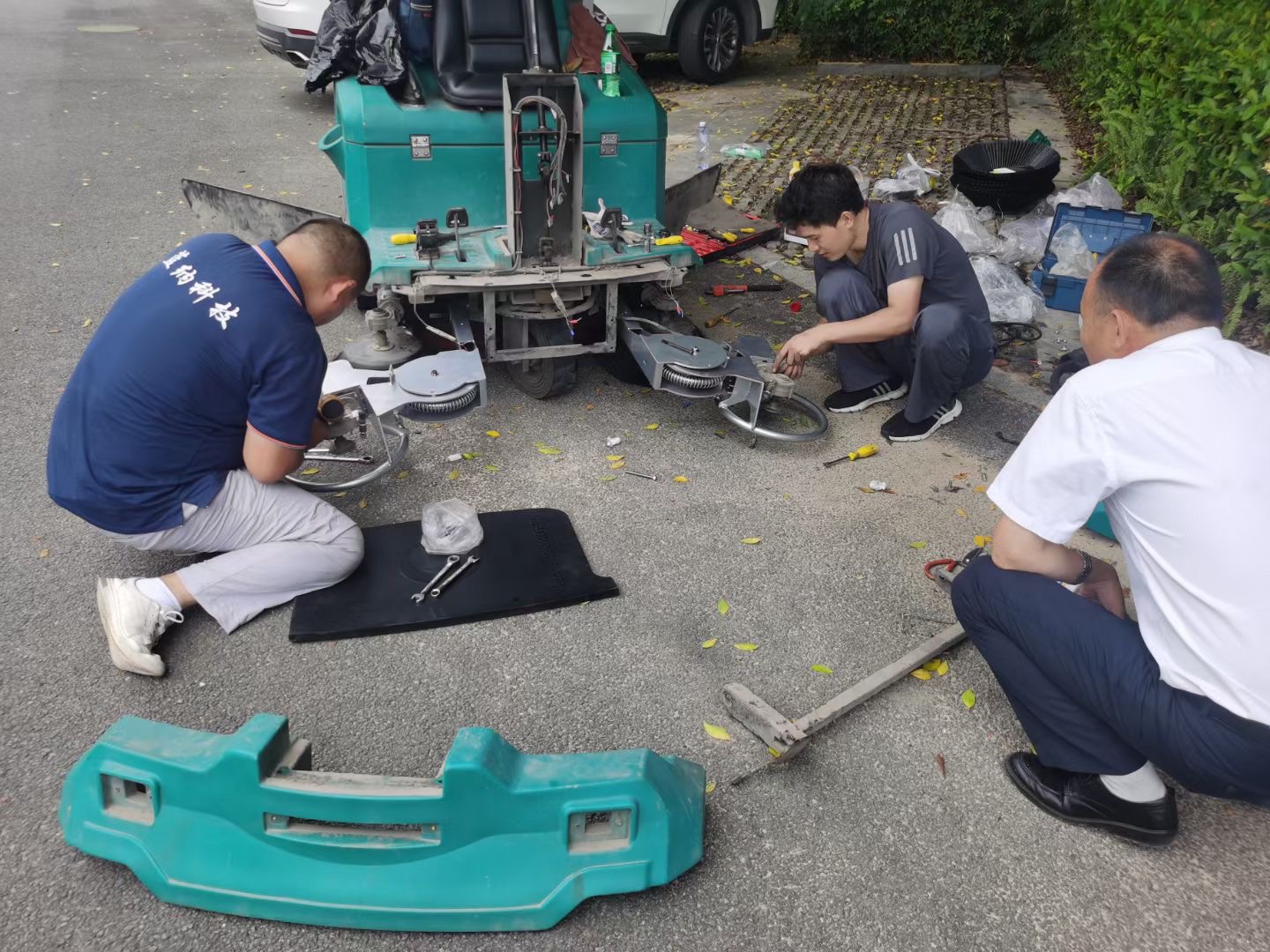
Freight, customs clearance, and local transportation are often underestimated early on. - After-sales service cost: roughly 5–10%
Technicians, warranty claims, spare parts inventory. - Inventory & warehousing: about 3–6%
Storage space, inventory handling, and capital tied up in stock. - Marketing & local sales cost: approximately 5–10%
Sales teams, demos, exhibitions, and digital marketing.
From my experience, distributors rarely fail because machines are too expensive. They fail because after-sales service and inventory costs were not planned realistically.
Gross Margin Analysis (Equipment vs Consumables)
This section often changes how distributors think about their business model.
Machines
- Typical gross margin: 20–35%
- Strong price competition
- Longer sales cycles
- Higher working capital requirements
Consumables
- Typical gross margin: 40–60%
- Faster turnover
- Repeat orders
- Lower operational risk
There’s one sentence I repeat often because it’s consistently true:
“For most distributors, consumables contribute a higher gross margin than machines.”
Machines help you win customers.
Consumables help you keep them — and stabilize your cash flow.
Net Profit Structure for Industrial & Commercial Distributors
After all costs are accounted for, the typical net profit margin for industrial and commercial distributors usually falls between 10–18%.
The distributors who consistently perform at the higher end share common characteristics:
- A complete product portfolio
- Strong, responsive after-sales service
- A structured system for long-term consumable reorders
- Focus on customer lifetime value instead of single transactions
I’ve personally seen distributors improve net profit without increasing sales volume — simply by increasing consumable attachment rates and improving service efficiency.

Why Choosing the Right Floor Cleaning Machine Manufacturer Matters
From a distributor’s point of view, the manufacturer you choose defines your ceiling.
A professional floor cleaning machine manufacturer should provide:
- Factory direct pricing
Allowing sustainable margins instead of constant price wars. - OEM/ODM flexibility
Branding, technical customization, voltage options, and certifications adapted to your market. - Stable supply of machines and consumables
No broken promises. No long delays for spare parts. - Technical support
Real engineers, training resources, and problem-solving capability — not just sales talk.
The distributors who stay with a manufacturer long-term usually tell me the same thing:
They didn’t choose based on the lowest price. They chose reliability and long-term support.
Conclusion
If you’ve read this far, you’re clearly thinking seriously about your distribution strategy.
Let me end with one sentence that summarizes everything we’ve discussed:
“A professional floor cleaning machine manufacturer with a complete product portfolio is the key to long-term distributor profitability.”
This industry rewards people who understand product categories, respect cost structure, and build businesses around machines plus consumables, not machines alone.
From my position inside the factory, I’ve seen this play out again and again. When distributors focus on long-term ROI instead of short-term wins, everyone grows together — and that’s the kind of partnership worth building.