
If you are a distributor, importer, or dealer in the industrial and commercial floor cleaning equipment industry, you’ve probably asked yourself this question more than once:
“Why am I selling more machines, but my net profit isn’t growing the same way?”
I’ve been on the manufacturing side of floor scrubbers and industrial sweepers for many years, working directly with distributors in North America, Europe, the Middle East, and Southeast Asia. I’ve seen highly motivated dealers struggle with thin margins — and I’ve also seen others quietly build very profitable businesses using almost the same products.
The difference is rarely sales ability.
The real difference is how they manage a multi-brand portfolio.
In this article, I want to share what actually happens behind the numbers: how different brands, price tiers, and product categories affect gross margin, net margin, and long-term ROI. This is not theory — it’s based on real distributor feedback, service data, and daily conversations we have as a professional floor cleaning machine manufacturer.

Introduction: Why Dealers Sell Multiple Brands — and Why It’s Not Easy
Most successful dealers don’t rely on just one brand of floor scrubbers or sweepers. They have to sell multiple brands, because their customers are very different:
- A small cleaning contractor wants low upfront cost
- A warehouse manager wants durability and uptime
- A retail chain wants standardization across locations
- A factory wants industrial-grade performance
Trying to meet all these needs with a single brand usually leads to lost deals or margin pressure.
At the same time, selling multiple brands introduces new challenges:
- Different pricing structures
- Different warranty terms
- Different after-sales service requirements
- Different customer expectations
From what I’ve seen, profitability depends on how well you balance these brands, not how many units you sell. Understanding this balance is the foundation of a healthy dealer business.

Overview of Industrial & Commercial Floor Cleaning Machines
Before comparing profitability, we need to understand the core product categories that most commercial floor cleaning equipment suppliers work with.
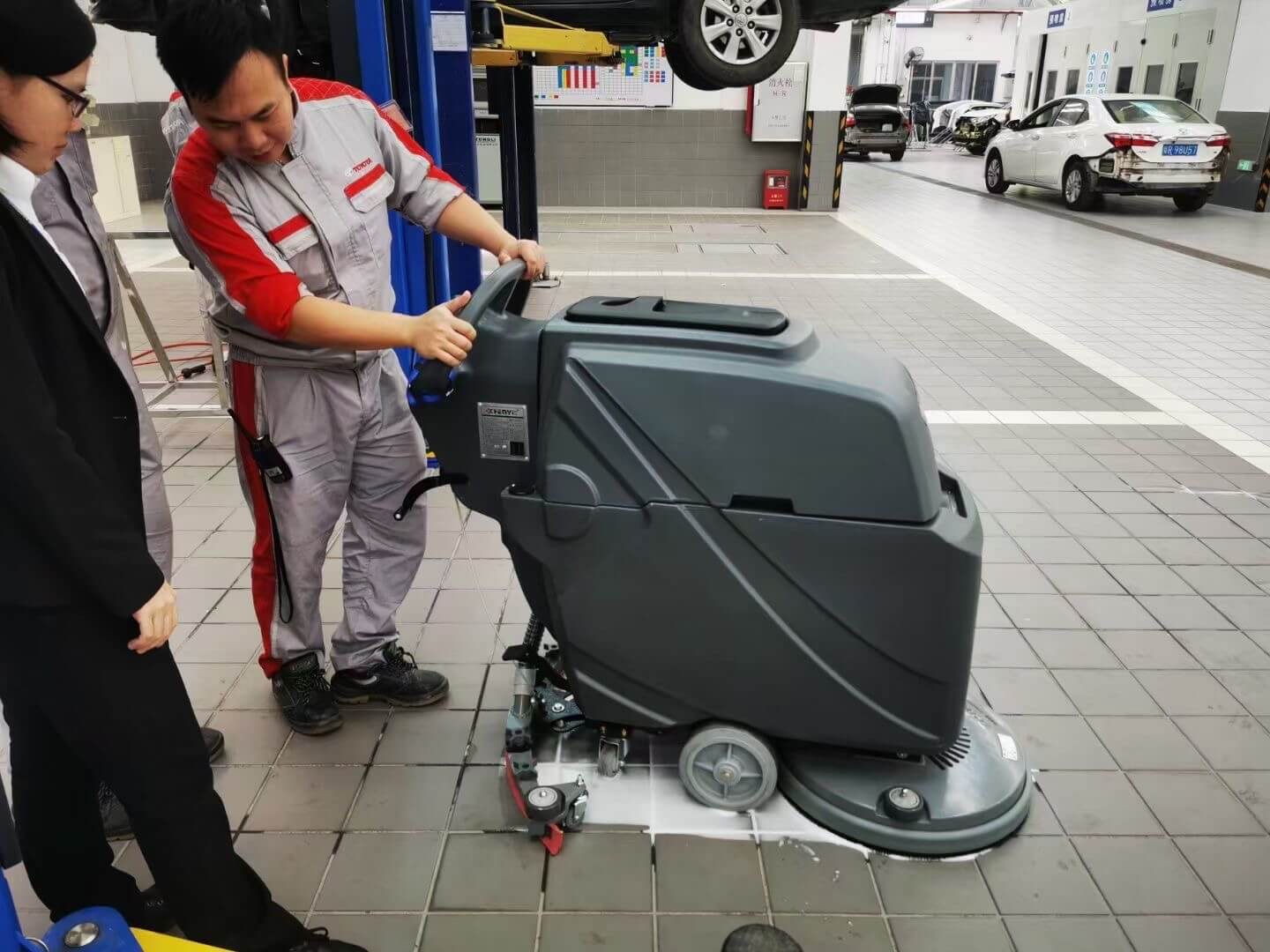
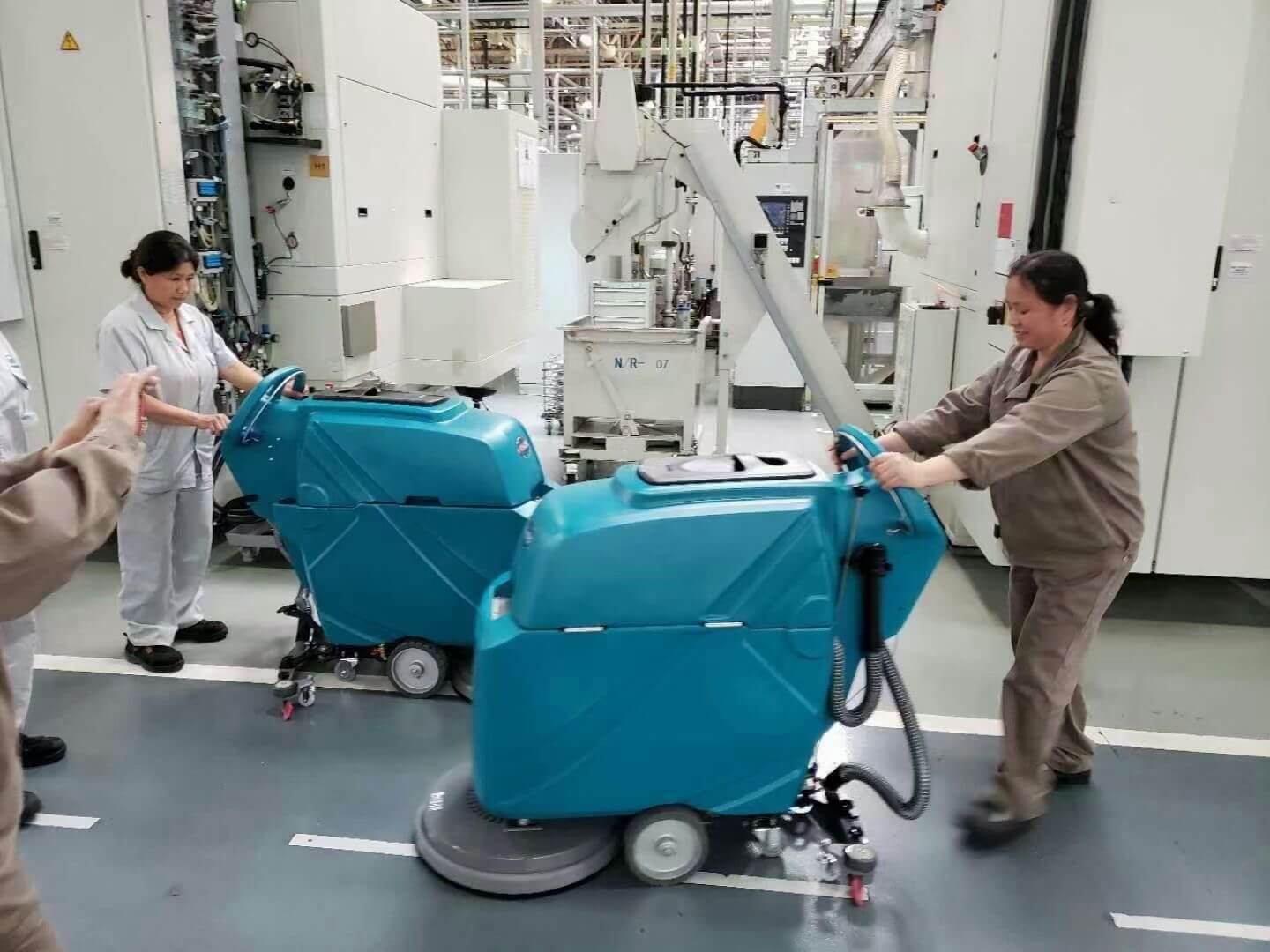
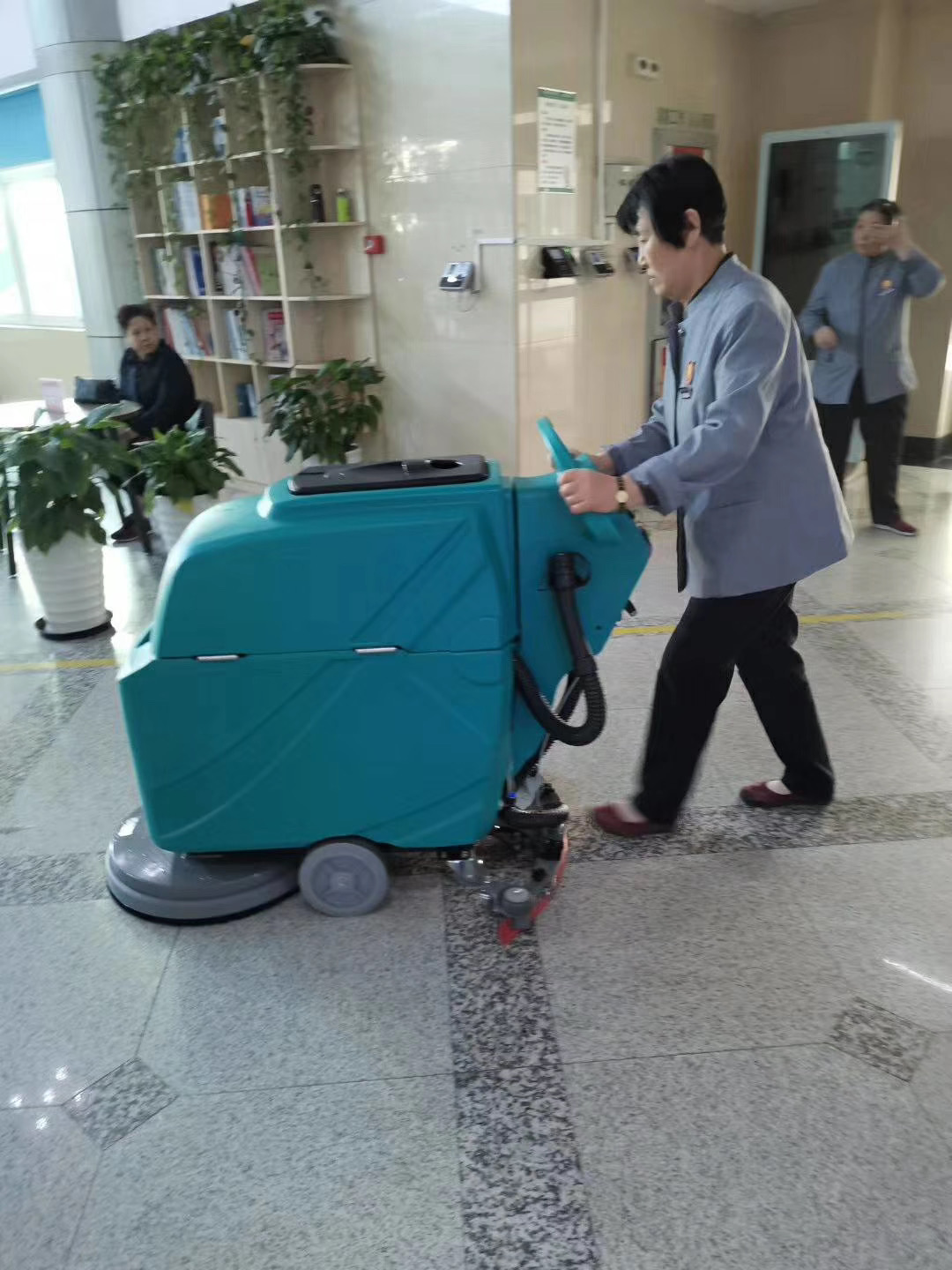
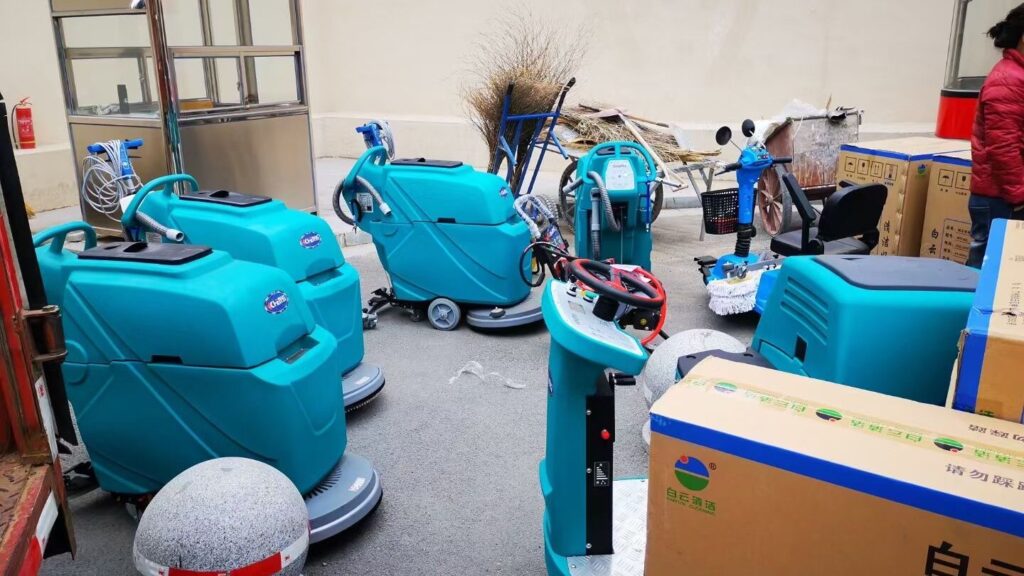
Walk-Behind Floor Scrubbers
- Entry-level to mid-tier pricing
- High demand from retail, schools, offices
- Lower unit price, higher volume
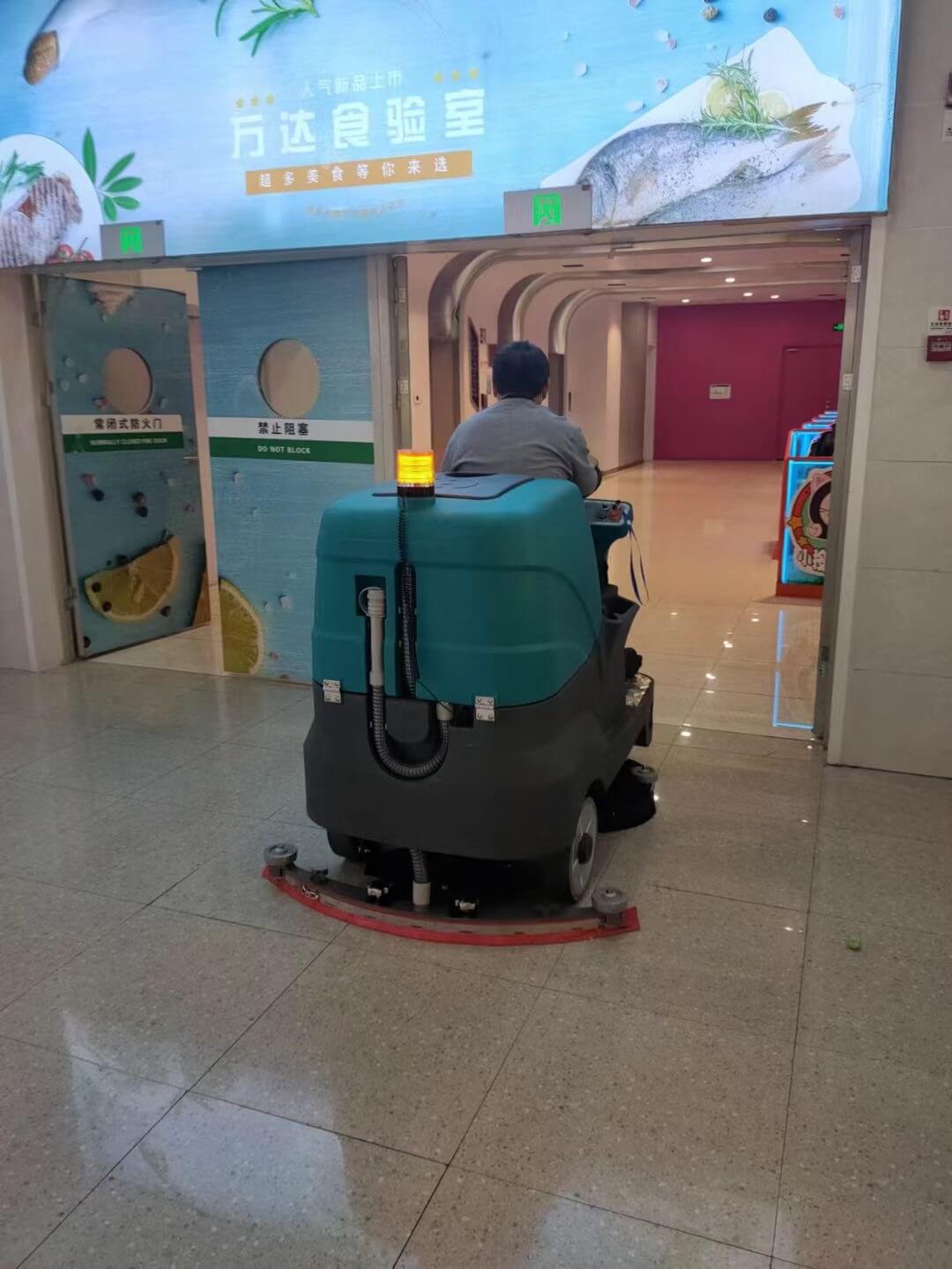
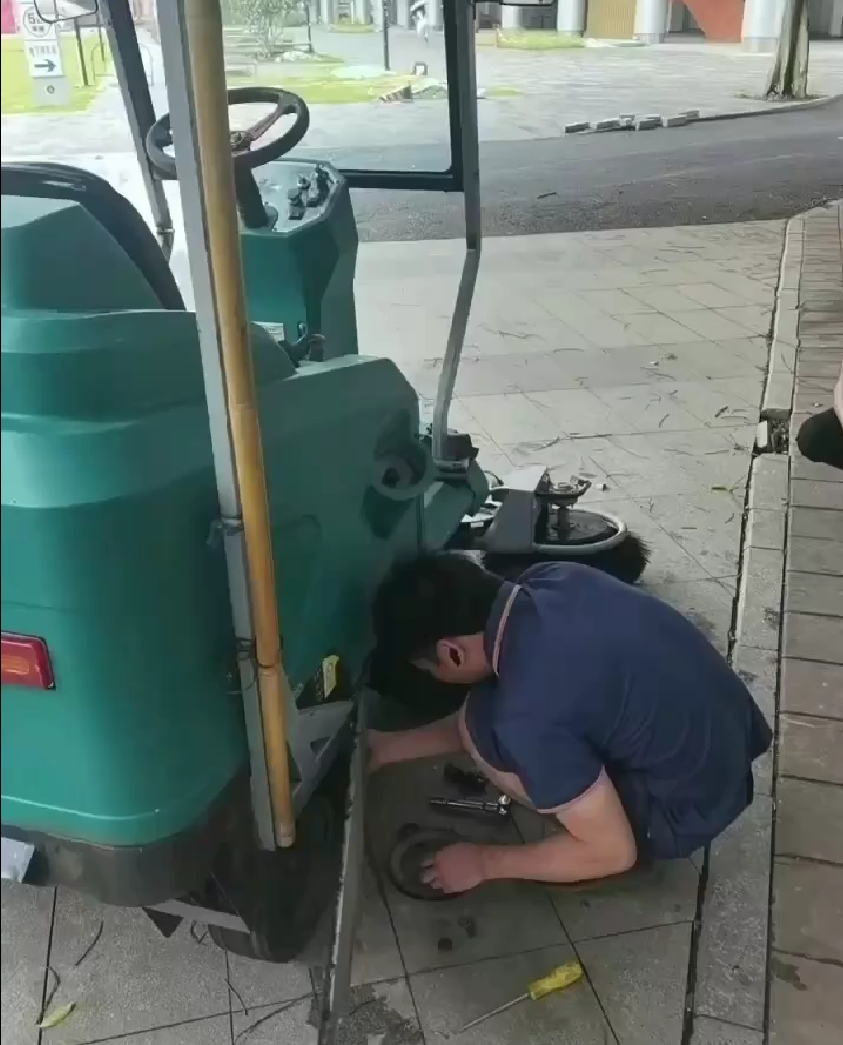
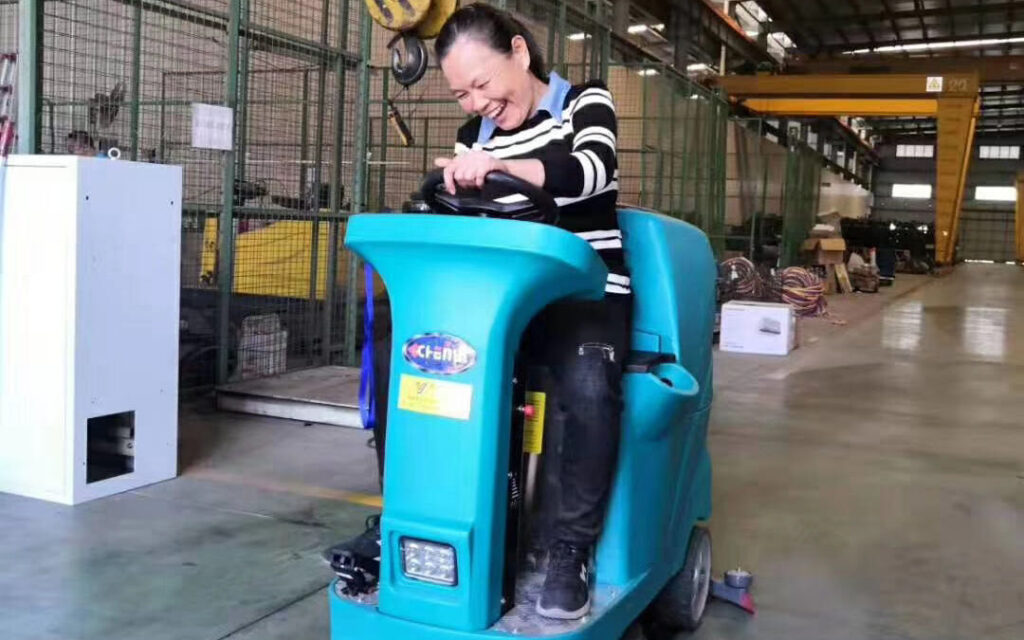
Ride-On Floor Scrubbers
- Used in warehouses, factories, airports
- Higher ticket value
- Better per-unit gross margin
Industrial Sweepers
- Indoor and outdoor applications
- Dust, debris, and heavy waste removal
- Often sold alongside scrubbers
Combination Scrubber-Sweepers
- Premium, productivity-focused machines
- Fewer buyers, but strong differentiation
- Attractive for industrial contracts
From an industrial floor cleaning solutions manufacturer perspective, dealers who cover multiple categories consistently outperform those who specialize too narrowly. Diversity creates resilience.
Why Distributors Need a Multi-Brand Strategy
I often tell new distributors:
“Multi-brand is not a marketing strategy — it’s a risk management strategy.”
Here’s why it matters.
Customers Expect Choice
Professional buyers compare options. If you offer only one brand, you force customers to compare you with competitors instead of comparing options within your portfolio.
Budget Buyers vs Performance Buyers
- Entry-level buyers focus on price
- Mid-tier buyers focus on value
- Premium buyers focus on lifecycle cost
One brand can’t win all three.
Competitive Positioning
A structured portfolio lets you guide the conversation:
- “This is our cost-effective solution”
- “This is our best ROI model”
- “This is our premium industrial option”
As a floor cleaning equipment factory, we often help dealers design this structure — and it directly improves closing rates and margin stability.

Brand & Price Tier Analysis: Where Profit Is Really Made
This is where things get interesting. Let’s break down how entry-level, mid-tier, and premium brands actually perform in real dealer operations.
🟢 Entry-Level Floor Scrubber & Sweeper Brands
Typical Characteristics
- Lowest purchase cost
- Basic configurations
- Faster sales cycles
Why Dealers Stock Them
- Easy to sell
- Attract price-sensitive customers
- Useful for competitive bids
The Hidden Cost
- Higher warranty claims
- More frequent repairs
- More service calls per unit
Profit Impact
- Gross Margin: 25–35%
- Net Margin: 8–15%
- After-Sales Cost: Medium–High
💬 From my own experience:
Entry-level machines look profitable on paper, but if service processes aren’t well managed, net profit erodes quickly.

🟡 Mid-Tier Brands (The Profit Stabilizer)
Typical Characteristics
- Balanced price and performance
- Better components and reliability
- Suitable for most commercial environments
Why Dealers Rely on Them
- Lower failure rates
- Strong repeat customers
- Easier spare parts planning
Profit Impact
- Gross Margin: 30–40%
- Net Margin: 12–18%
- After-Sales Cost: Moderate
💬 Many dealers quietly tell us that mid-tier machines pay the bills. They may not be flashy, but they keep operations smooth.
🔵 Premium Brands (Long-Term ROI Leaders)
Typical Characteristics
- High durability
- Advanced engineering
- Longer warranties
Why They Matter
- Lower service frequency
- Higher customer trust
- Easier to sell maintenance contracts
Profit Impact
- Gross Margin: 35–45%+
- Net Margin: 15–20%+
- After-Sales Cost: Lower
💬 Premium machines don’t always sell fastest — but they usually generate the cleanest profit over time.
Profitability Comparison Table
| Brand Tier | Gross Margin | Net Margin | After-Sales Cost |
|---|---|---|---|
| Entry-Level | 25–35% | 8–15% | Medium–High |
| Mid-Tier | 30–40% | 12–18% | Moderate |
| Premium | 35–45%+ | 15–20%+ | Lower |

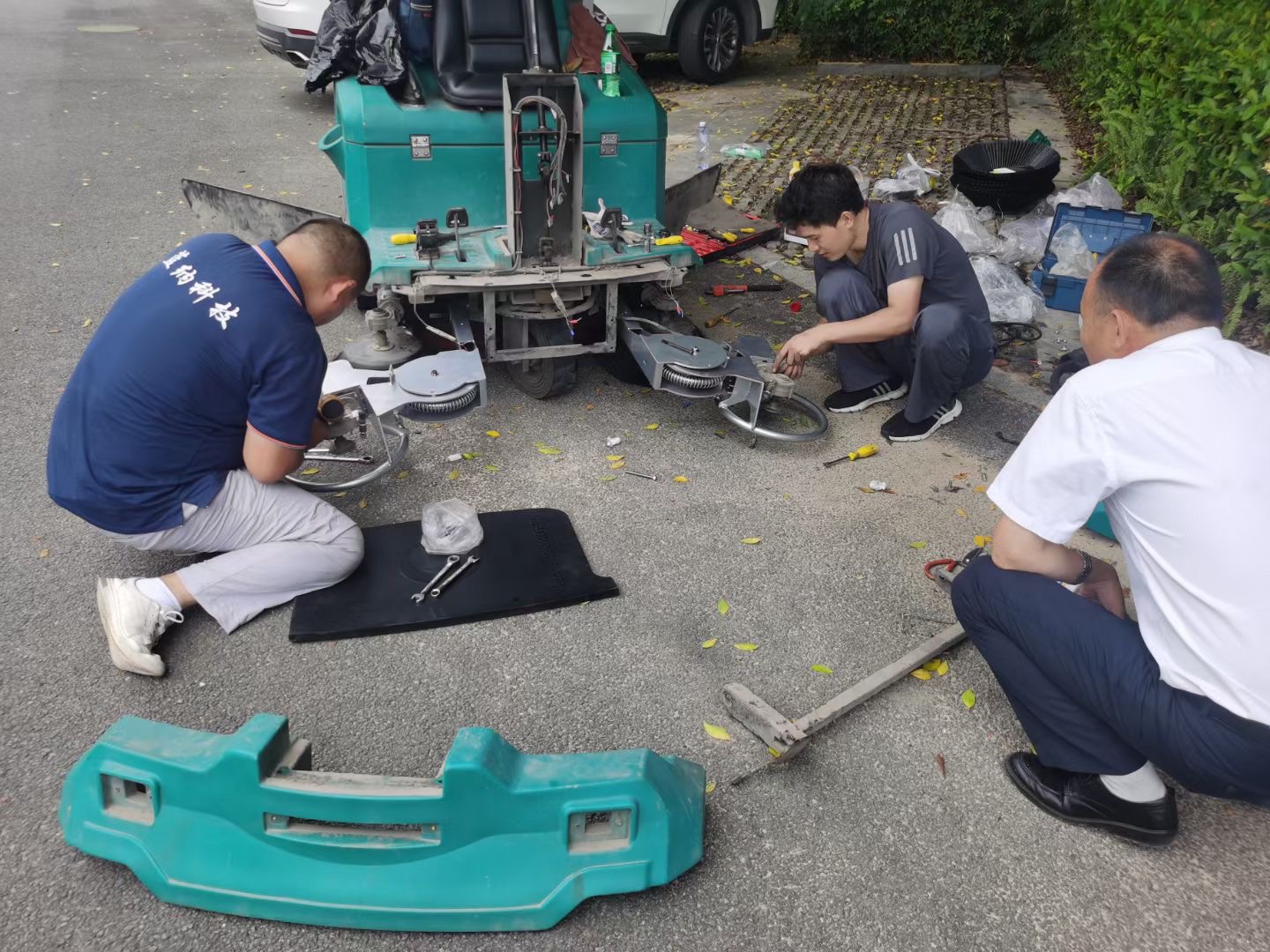
After-Sales Cost Considerations: The Silent Profit Killer
Many dealers focus heavily on purchase price and resale margin — but after-sales cost is what truly determines net profit.
Key cost drivers include:
- Warranty claims
- Spare parts inventory
- Technician training
- On-site service labor
Here’s a hard truth I’ve learned as a professional floor cleaning machine manufacturer:
👉 Cheaper machines often cost more to support.
Entry-level brands:
- Higher service frequency
- More customer complaints
- Higher labor cost per unit
Premium brands:
- Fewer breakdowns
- Predictable maintenance
- Better customer retention
Dealers who calculate lifecycle cost per machine make much better stocking decisions.
Consumables & Recurring Revenue: Where Margins Stabilize
No matter which brand you sell, machines consume parts. This is where smart dealers build stability.
Core Consumables
- Brushes (disc & roller)
- Squeegees
- Filters
- Pads
- Cleaning chemicals
Here’s something I repeat constantly to our partners:
Consumables bring stable and repeat orders for distributors.
Why consumables matter:
- Higher margins than machines
- Predictable replacement cycles
- Strong customer lock-in
In many cases, consumables deliver 40–60% gross margin, helping balance thinner equipment margins.
Distributor Success Strategies (Real-World Lessons)
Based on what I’ve seen work consistently, here are practical strategies dealers can apply immediately:
✅ Build a Three-Tier Brand Portfolio
Cover entry-level, mid-tier, and premium to avoid forcing customers into the wrong solution.
✅ Bundle Equipment with Service
Maintenance contracts reduce emergency repairs and smooth cash flow.
✅ Train Sales Teams by Brand Tier
Salespeople must explain why prices differ — not apologize for them.
✅ Choose the Right Manufacturing Partner
A strong industrial floor cleaning solutions manufacturer provides:
- Stable supply
- Technical training
- Spare parts support
- OEM/ODM flexibility

Conclusion: Profit Comes from Structure, Not Volume
If there’s one takeaway I want you to remember, it’s this:
High-profit dealers don’t sell more machines — they sell the right mix of machines.
A well-planned multi-brand strategy allows you to:
- Reach more customer segments
- Balance gross and net margins
- Control after-sales costs
- Build long-term, repeat business
From my position inside a floor cleaning equipment factory, I’ve seen distributors transform their profitability simply by restructuring their portfolio and thinking beyond unit sales.
If this article helped you see your business from a clearer, more profitable perspective — then it’s already done its job.