Introduction
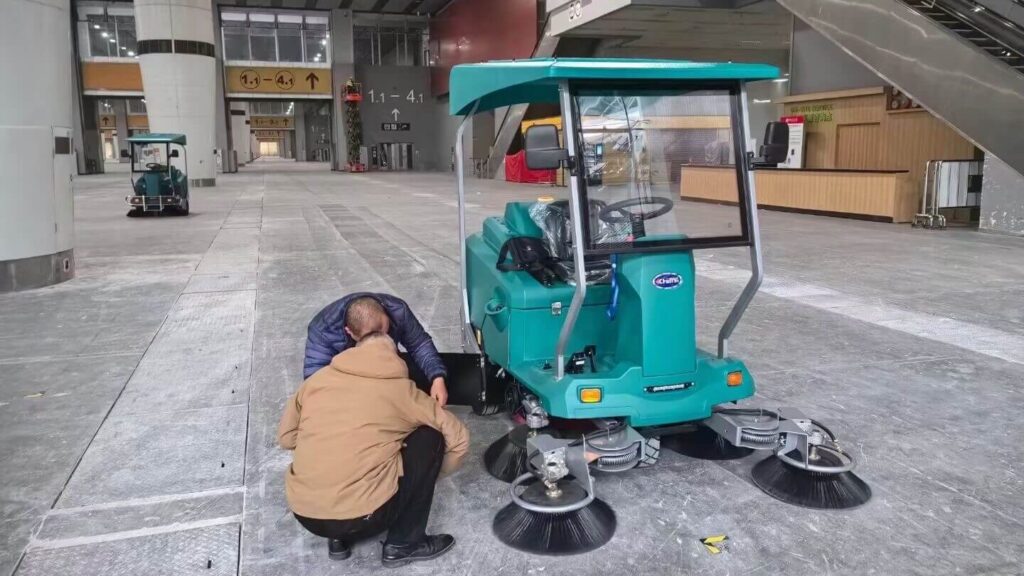
If you’ve ever managed floor cleaning machines—whether a scrubber in a hospital, a sweeper in a warehouse, or a ride-on unit in a shopping mall—you know this truth: the battery is the heartbeat of the equipment.
A scrubber with worn-out brushes can still limp through a shift. A sweeper with a cracked squeegee can still pick up some dust. But a weak or unreliable battery? That brings everything to a stop.
Downtime caused by battery failure doesn’t just inconvenience operators. It disrupts schedules, frustrates cleaning teams, increases labor costs, and can even harm your reputation with clients. I’ve personally seen facility managers lose thousands of dollars in unplanned maintenance and replacement costs because of one bad battery decision.
And here’s the hook: not all lead-acid batteries are created equal. On paper, two AGM batteries may look identical—same voltage, same amp-hours—but in practice, one may last three years while the other struggles to make it past twelve months.
In this guide, I’ll walk you through why that happens, how to avoid common pitfalls, and what you should focus on when choosing batteries for your scrubbers and sweepers.

What Makes Lead-Acid Batteries Different Across Manufacturers
I’ve had the chance to evaluate batteries from multiple suppliers, and I can tell you the differences go far deeper than the label. Here’s what matters:
1. Raw Materials Quality
- Lead purity: High-purity lead resists corrosion and extends battery cycle life. Budget manufacturers often use recycled lead with impurities, which shortens lifespan.
- Separators: Quality separators improve electrolyte circulation and reduce internal shorts. Thin, low-quality separators are cheaper but fail faster.
2. Manufacturing Process
I once visited two factories in the same region. One had a fully automated line: robotic plate casting, precise acid filling, consistent curing times. The other relied mostly on manual labor. The difference in quality control was obvious.
- Automation = precision + consistency
- Manual processes = variability + reduced reliability
3. Design Priorities
Some manufacturers design for lowest cost, sacrificing plate thickness and durability. Others design for maximum performance, investing in cycle life and efficiency.
Ask yourself: Do you want a battery that’s “cheap today” or one that saves you money long term?
4. After-Sales Support
This is often overlooked but hugely important. Big-brand manufacturers back their products with 12–24 month warranties, technical support, and testing. Cheap suppliers may give you six months—if you’re lucky.
When your machines are down, warranty coverage and support can make all the difference.
Comparing the Same Battery Type Across Brands
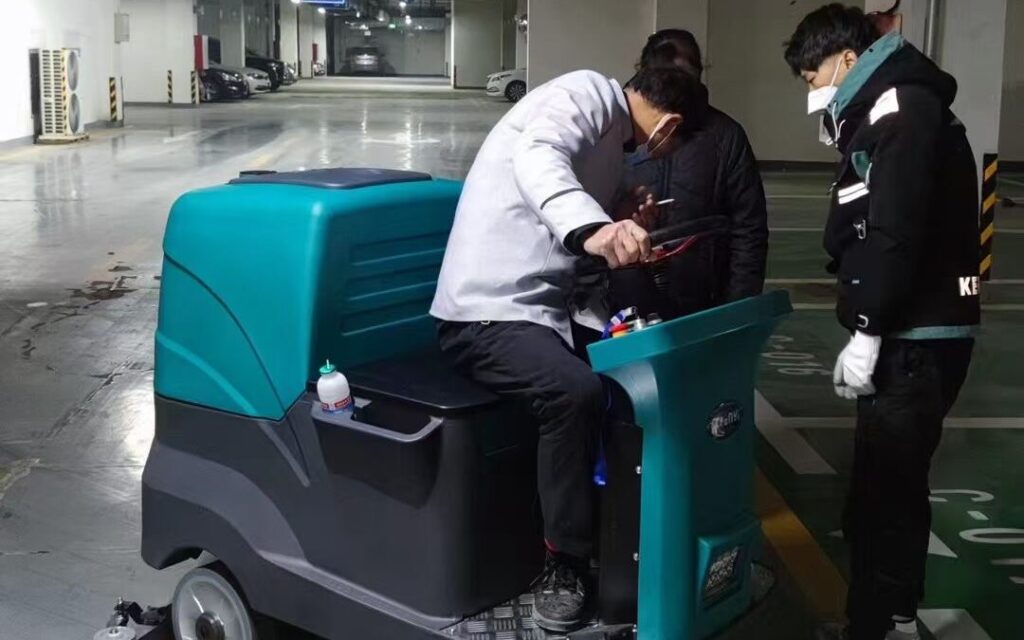
Here’s a real-world example.
A logistics facility I worked with was running three scrubbers powered by budget AGM batteries. Within a year, operators complained of machines stalling mid-shift. Runtimes had dropped by nearly 40%. Staff were forced to recharge during lunch breaks just to finish their cleaning routes.
The facility switched to a global-brand AGM battery—same capacity on paper, but the difference was immediate:
- Runtime improved by 20% per charge.
- Batteries lasted three times longer before needing replacement.
- Downtime complaints disappeared.
Here’s a simple comparison:
| Feature | Budget AGM | Big-Brand AGM |
|---|---|---|
| Cycle Life | ~400 cycles | 800–1,000+ cycles |
| Runtime | 2–2.5 hrs | 3+ hrs |
| Warranty | 6 months | 18–24 months |
| Long-Term Cost | Higher | Lower |
Same spec sheet, completely different real-world results.
Impact on Floor Cleaning Equipment
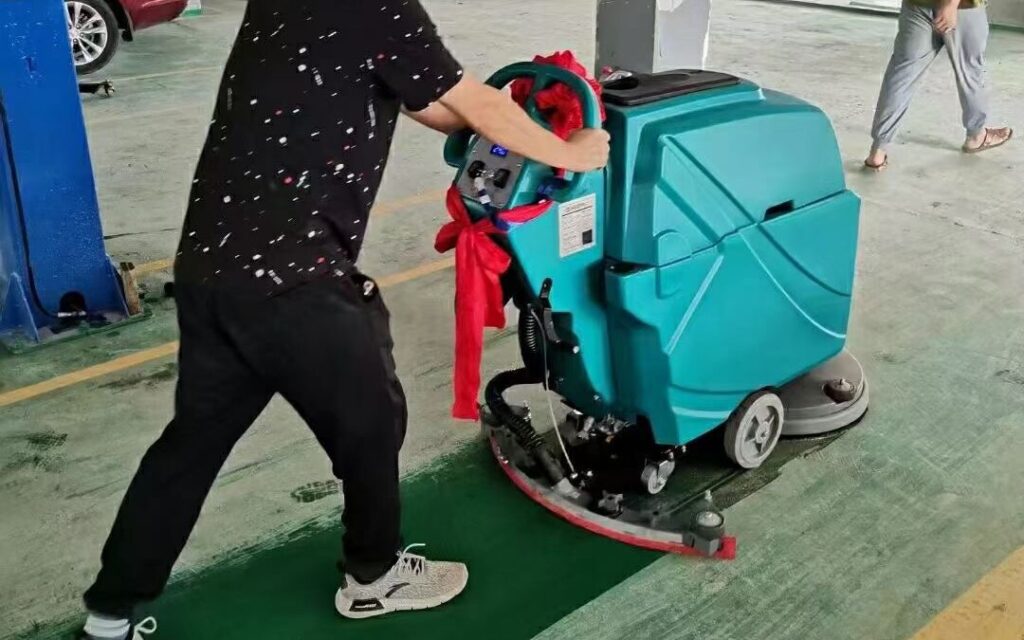
When you choose batteries, you’re not just buying a component—you’re investing in the performance and reliability of your entire fleet.
- Shorter lifespan means more replacements, higher long-term costs.
- Poor quality means machines stall mid-job, leaving half-cleaned floors.
- Reliable batteries mean predictable runtimes, consistent cleaning results, and happier clients.
I’ve seen maintenance teams spend weeks troubleshooting “mystery” performance issues—sluggish motors, random shutdowns—that all traced back to weak batteries. Imagine the labor hours wasted just because the initial purchase decision wasn’t made carefully.
Why Big-Brand Batteries Are Safer for Industrial Use
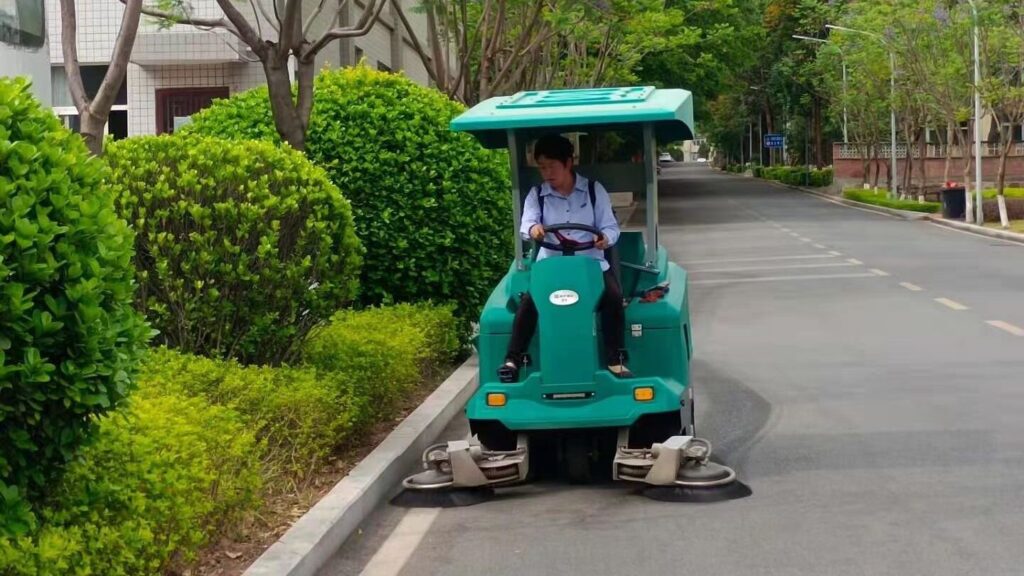
As a commercial floor cleaning equipment supplier, I often recommend big-brand batteries to clients. Here’s why:
- Quality control: Big brands use advanced testing at every step.
- Compatibility: They ensure their batteries work with common chargers and equipment models.
- Supply reliability: Need replacements fast? Global brands deliver.
- Warranty and support: Strong coverage gives you peace of mind.
While the upfront price is higher, the total cost of ownership is significantly lower. Over 3–5 years, the savings in downtime, labor, and replacement costs more than offset the purchase price.
Professional Recommendations
So which battery type should you choose? It depends on your needs:
Flooded (Wet) Lead-Acid
- Pros: Cheapest upfront, good energy density.
- Cons: Require watering, venting, and cleaning.
- Best for: Facilities with trained staff and strict maintenance schedules.
AGM (Absorbent Glass Mat)
- Pros: Maintenance-free, durable, handle deep discharges well.
- Cons: Slightly more expensive than flooded.
- Best for: Most commercial and industrial cleaning applications.
Gel Batteries
- Pros: Excellent for extreme environments, resistant to vibration.
- Cons: More expensive, slower charging.
- Best for: Hospitals, cold storage, or sensitive facilities.
👉 In most cases, AGM batteries offer the best balance of reliability and cost for scrubbers and sweepers.
AGM vs Gel Battery for Floor Scrubber
This is one of the most common questions I get. Here’s the quick breakdown:
- AGM: Better for daily heavy-duty use, faster charging, more cost-effective.
- Gel: Better for specialized conditions where safety or stability matters more than cost.
Unless your environment demands it, AGM is usually the smarter investment.
Best Battery Brand for Floor Cleaning Machine
When clients ask me about brands, I always give the same advice:
- Choose global brands with proven track records in industrial cleaning.
- Avoid “off-label” or unknown suppliers that only compete on price.
As an industrial floor cleaning solutions manufacturer, I’ve seen countless cases where chasing the cheapest brand ended up costing double in the long run.
Conclusion & Call-to-Action
Here’s the bottom line: battery choice directly impacts performance, reliability, and long-term cost for your scrubbers and sweepers.
I’ve watched managers learn this the hard way—spending more on replacements, suffering downtime, and dealing with frustrated teams because they chose the cheapest option upfront.
If you want predictable runtime, lower total cost, and fewer headaches, invest in reliable, big-brand batteries from the start.
And if you’re unsure which option is best for your machines, reach out to us at CY Cleaning Equipment. As a professional floor cleaning machine manufacturer and commercial floor cleaning equipment supplier, we don’t just sell machines—we guide our clients to select the right batteries for maximum ROI and consistent results.
Because in industrial cleaning, consistency isn’t optional. It starts with your battery.

Frequently Asked Questions (FAQs)
1. How long do lead-acid batteries last in floor scrubbers?
- Cheap brands: Often 12–18 months.
- Big-brand AGM: 1–2 years, even longer with proper care.
2. What’s the best way to extend battery life?
- Recharge after each use.
- Avoid discharges below 20–30%.
- Always use the correct charger.
- Store in cool, dry conditions when not in use.
3. Can I use automotive batteries in a floor scrubber?
No. Car batteries are built for short bursts of high power, not deep-cycle discharge. Using them in scrubbers will cause early failure.
4. Should I choose Flooded, AGM, or Gel?
- Flooded: Low upfront cost, high maintenance.
- AGM: Maintenance-free, reliable, best for most applications.
- Gel: Specialized, higher cost, good for sensitive environments.
5. What’s the best battery brand for floor cleaning machines?
Stick with established global brands that offer strong warranties, proven cycle life, and dependable after-sales support.