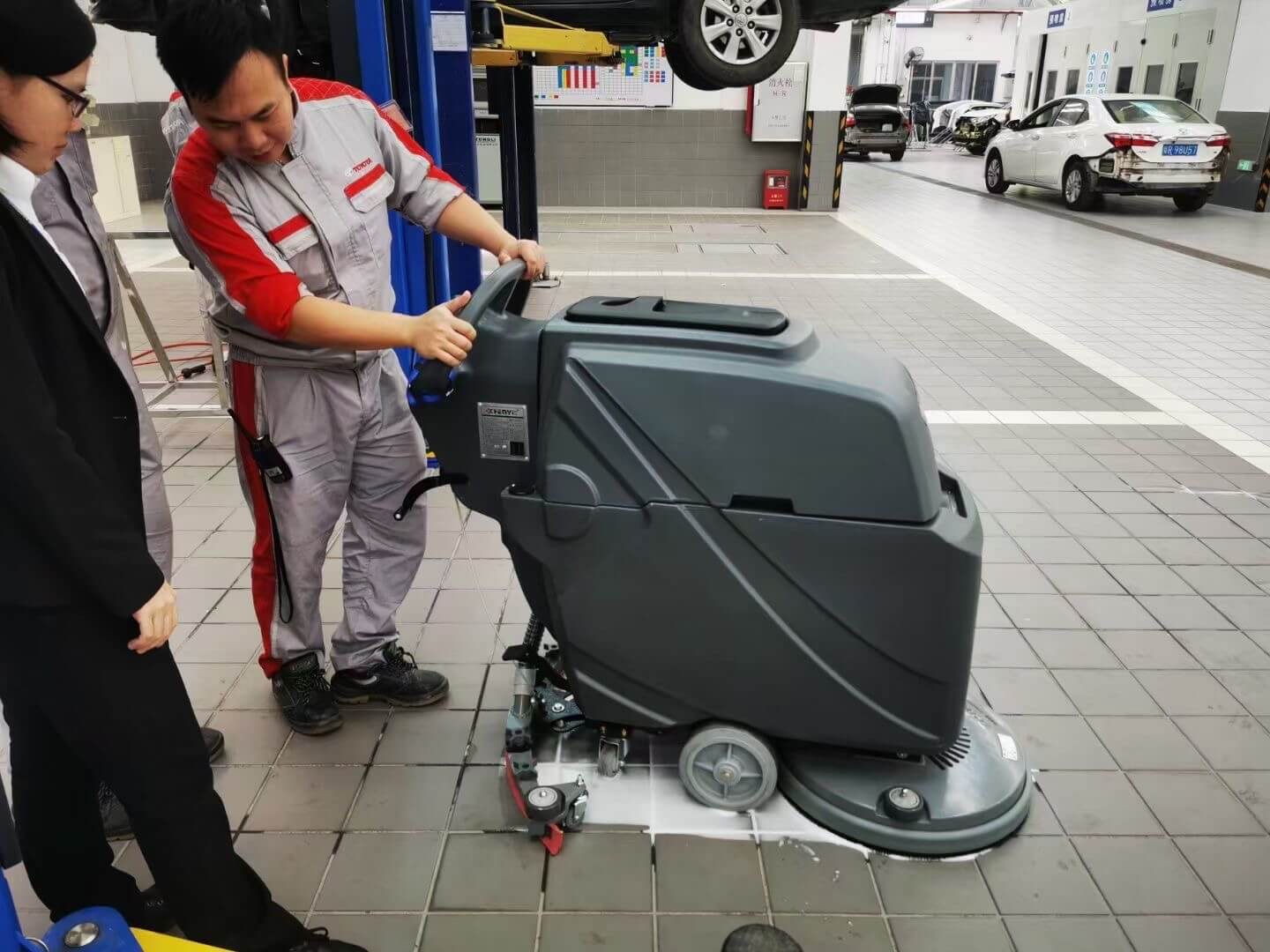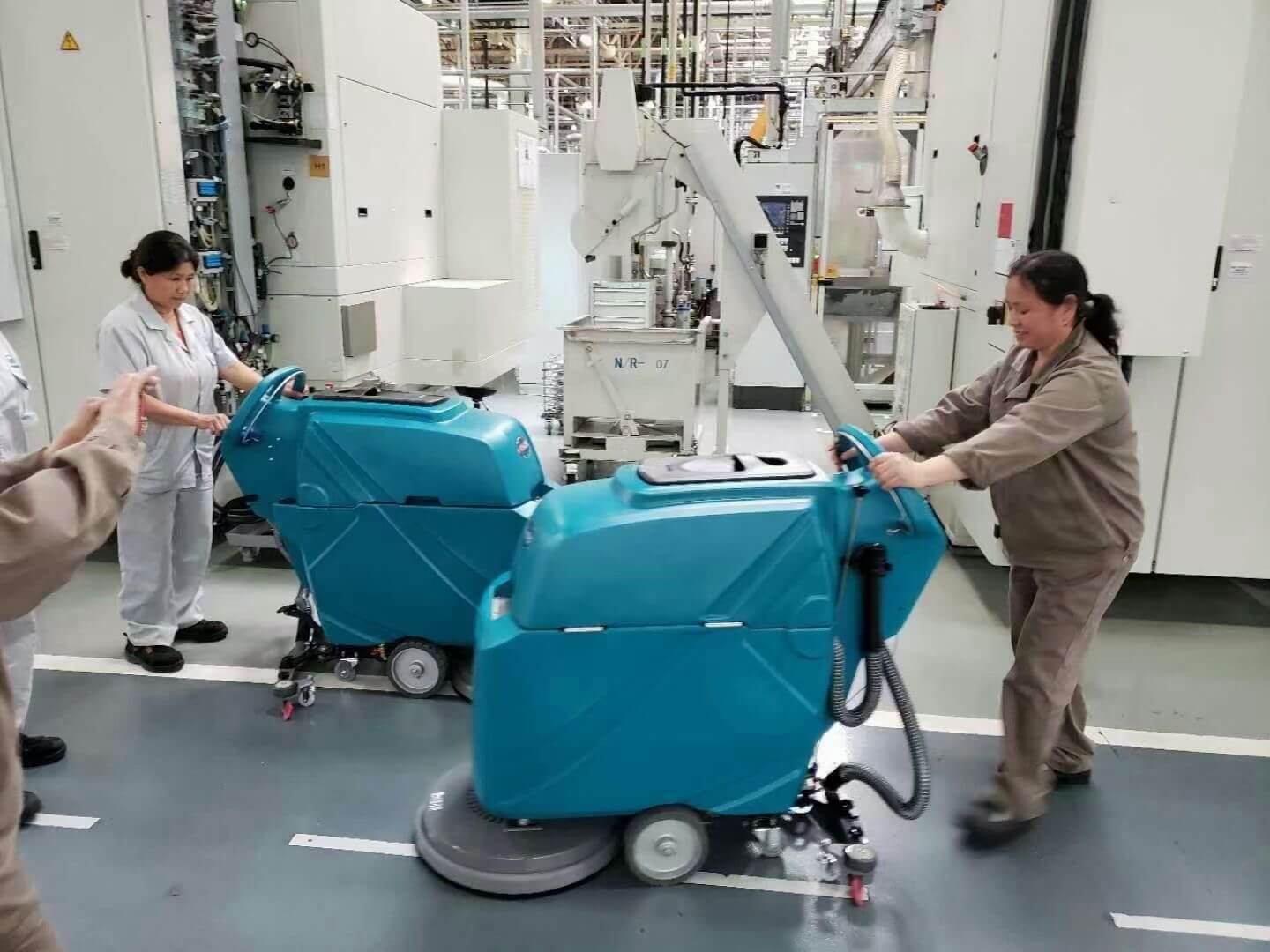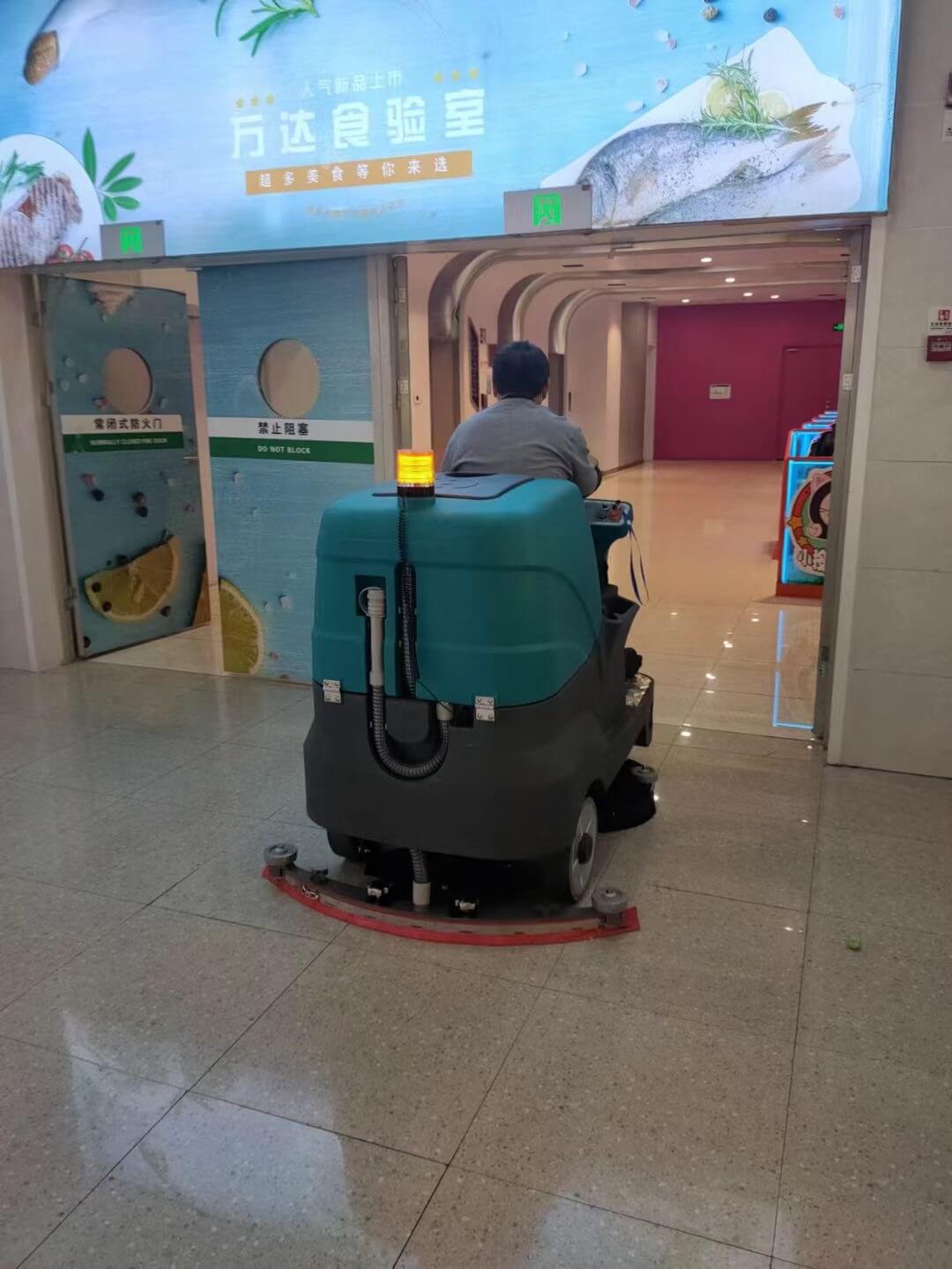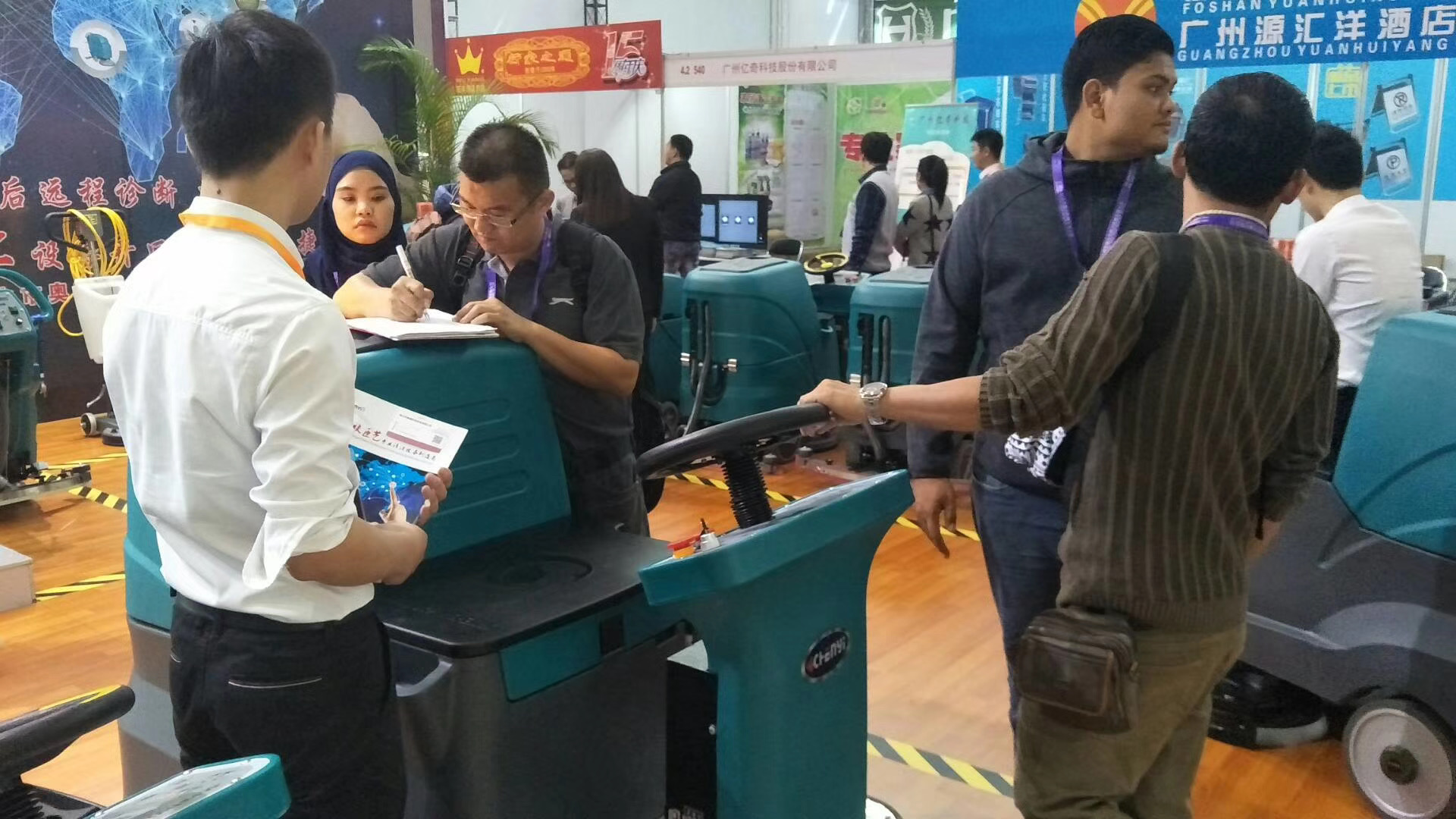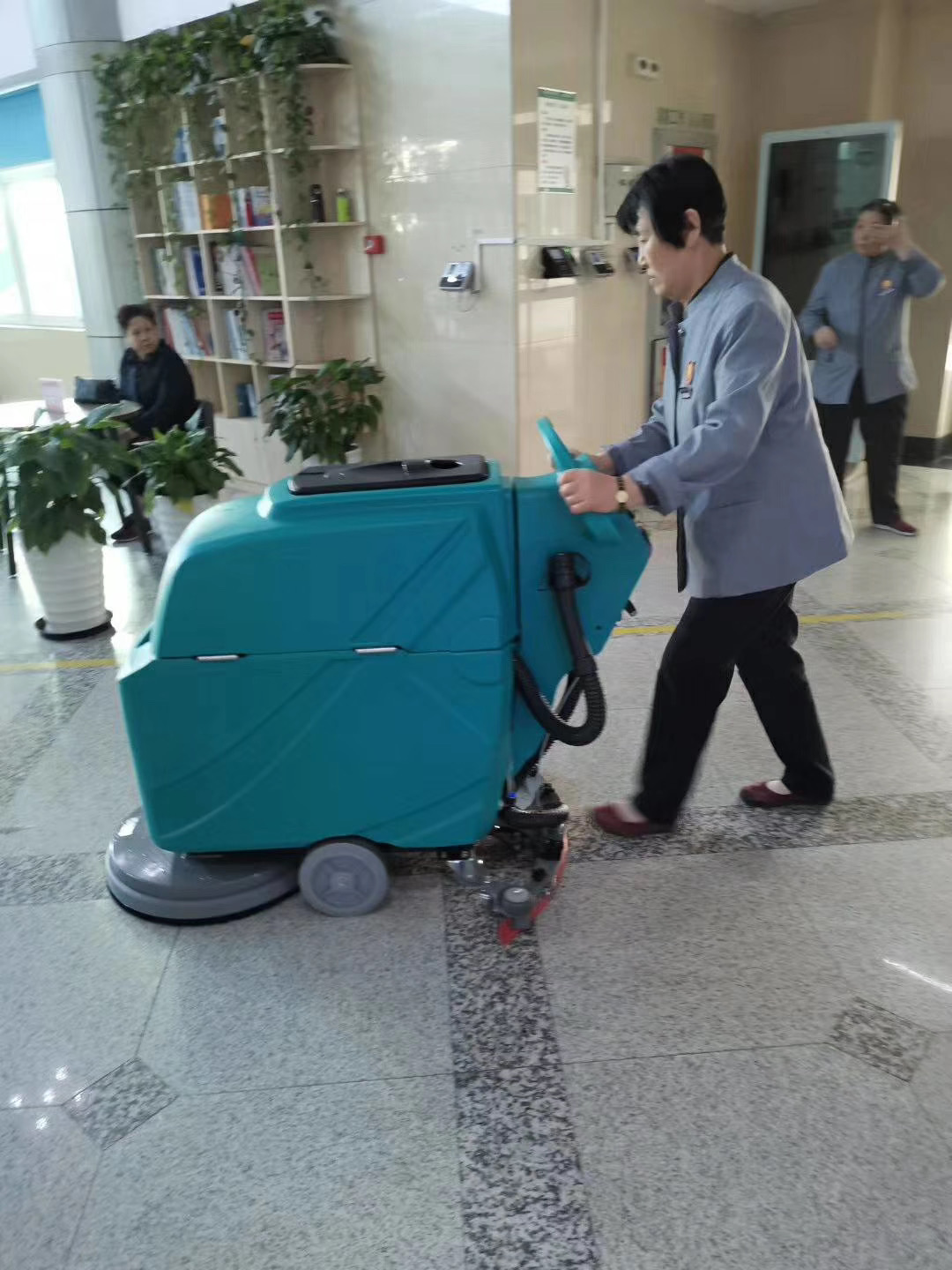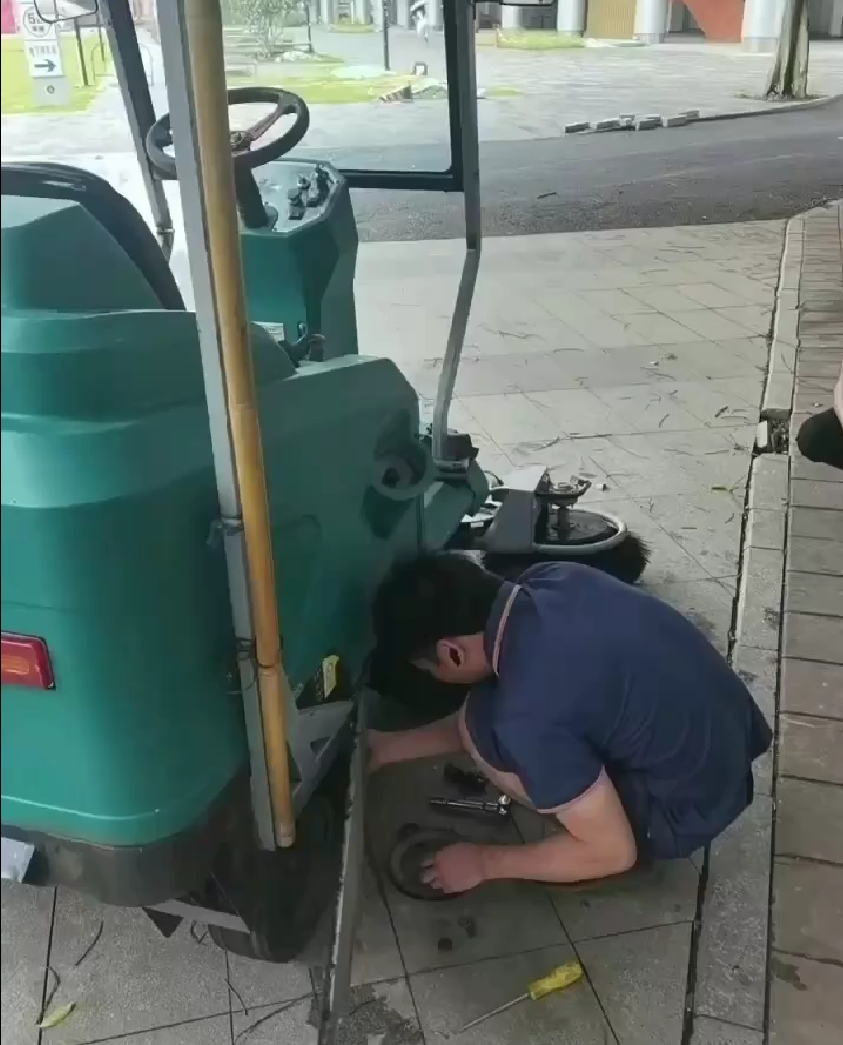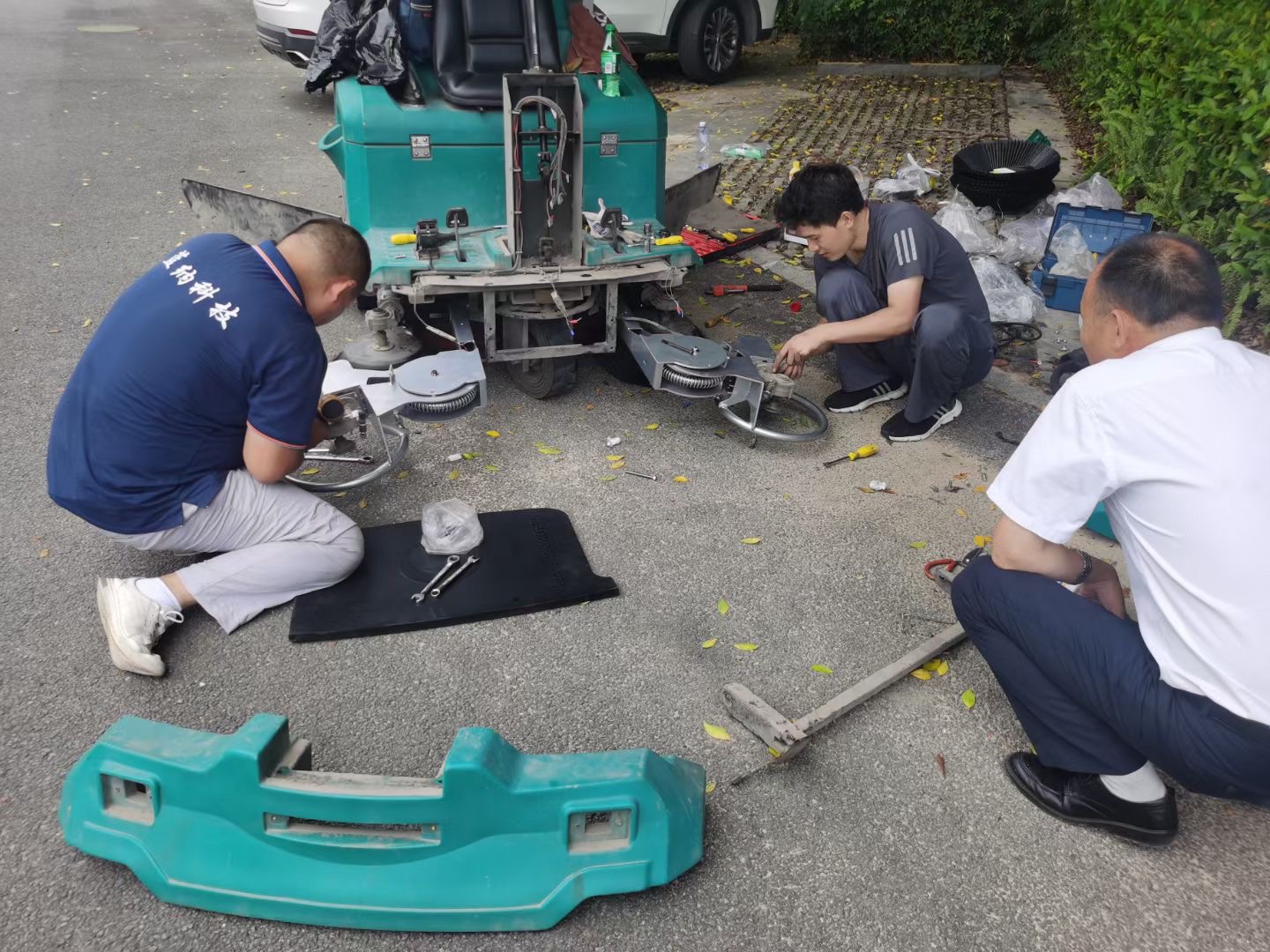

If you’re a facility manager, you’ve probably had this moment before.
You approve a floor cleaning machine.
The price looks good.
The supplier sounds confident.
Six months later, your budget tells a very different story.
I’ve been working with facility management companies for years, supplying scrubbers, sweepers, and industrial cleaning machines. And if there’s one thing I’ve learned, it’s this:
👉 Most floor cleaning equipment doesn’t blow budgets on day one. It does it quietly, over time.
This article is my attempt to put everything I’ve seen on the table — honestly. Not as a salesperson, but as someone who has watched good facility managers struggle with hidden costs that were never mentioned during procurement.
If you’re evaluating a floor cleaning machine manufacturer or a commercial floor cleaning equipment supplier, this checklist will save you money, time, and frustration.
Why Hidden Costs Matter More Than Purchase Price
When people search for commercial floor cleaning equipment, they’re often comparing prices.
That makes sense — budgets are real.
But here’s the uncomfortable truth:
The purchase price is usually only 25–30% of what you’ll actually spend over five years.
The remaining 70% lives in places most suppliers don’t highlight:
- Maintenance
- Labor inefficiency
- Downtime
- Energy usage
- Training
- Parts availability
That’s where smart facility managers win — or lose.
The 12 Hidden Costs Every Facility Manager Should Watch For
Below is a checklist I wish more buyers had before signing a purchase order.
1. Maintenance Frequency Nobody Talks About
Some machines are designed to be serviced often. Others are built to last.
Lower-priced machines often require:
- More frequent inspections
- Shorter service intervals
- Specialized maintenance tools
Over five years, that adds up fast.
💡 How to avoid it:
Work with a professional floor cleaning machine manufacturer that provides clear maintenance schedules upfront — not after the sale.
2. Expensive or Hard-to-Find Spare Parts
I’ve seen facilities wait weeks for a simple replacement part.
Downtime doesn’t just delay cleaning — it increases labor costs and client complaints.
💡 How to avoid it:
Ask your commercial floor cleaning equipment supplier:
- Where are parts stocked?
- What are typical lead times?
- Are parts standardized across models?
3. Battery Replacement Costs
Batteries are one of the biggest hidden expenses in modern cleaning equipment.
Cheap batteries:
- Lose capacity faster
- Fail prematurely
- Require full replacement instead of modular repair
💡 How to avoid it:
Choose machines from an industrial floor cleaning solutions manufacturer that focuses on battery management systems and long-life cells.
4. Energy Inefficiency
Older or poorly designed machines:
- Consume more electricity
- Waste water and chemicals
- Increase utility costs quietly
Over five years, energy inefficiency can cost more than the machine itself.
💡 How to avoid it:
Look for efficiency data — not just performance claims.
5. Operator Training Costs
Complex machines create hidden expenses:
- Longer onboarding time
- Higher error rates
- Faster wear and tear
I’ve seen great machines destroyed simply because no one trained the operators properly.
💡 How to avoid it:
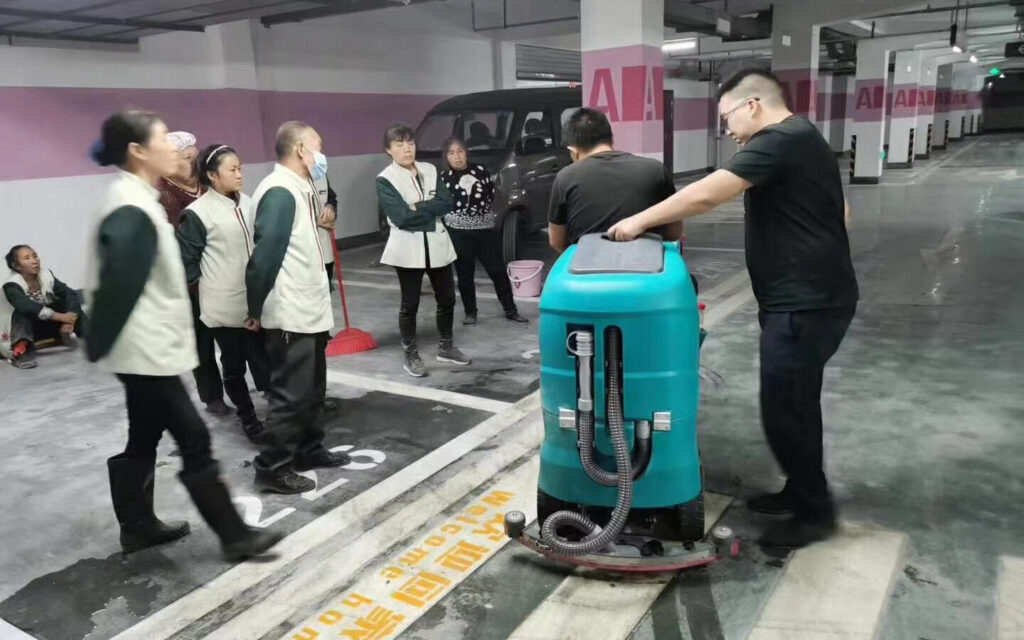
Partner with a professional floor cleaning machine manufacturer that provides training materials, videos, or on-site support.
6. Downtime and Emergency Repairs
Every hour a machine is down:
- Cleaning schedules slip
- Labor costs rise
- Clients notice
Emergency repairs are always more expensive than planned maintenance.
💡 How to avoid it:
Choose suppliers with strong after-sales networks and predictable service response times.
7. Shorter Equipment Lifespan Than Expected
Some machines look solid — until year two.
Frame fatigue, motor wear, and electrical issues shorten lifespan quietly.
💡 How to avoid it:
Ask suppliers for real-world lifespan data, not warranty periods.
8. Consumables That Cost More Than You Expect
Brushes, pads, filters, and squeegees vary wildly in price and durability.
Over time, consumables can become a major line item.
💡 How to avoid it:
Choose standardized consumables available from multiple sources.
9. Lack of Scalability Across Multiple Sites
Using different machines across locations:
- Increases training costs
- Complicates parts management
- Reduces purchasing leverage
💡 How to avoid it:
Standardize with one trusted commercial floor cleaning equipment supplier whenever possible.
10. Poor Warranty Coverage (or Confusing Terms)
Some warranties look good on paper but exclude:
- Batteries
- Wear components
- Labor costs
💡 How to avoid it:
Ask for a clear warranty breakdown before purchasing.
11. Hidden Software or Smart System Costs
Modern machines may include:
- Paid software updates
- Locked diagnostics
- Subscription-based features
💡 How to avoid it:
Clarify what’s included — and what isn’t — over five years.
12. Supplier Relationship Risk
Suppliers disappear. Support teams change. Models get discontinued.
That risk has a cost.
💡 How to avoid it:
Work with an established floor cleaning machine manufacturer with long-term market presence.
Five-Year Cost Comparison (Realistic View)
| Cost Area | Poor Supplier Choice | Reliable Manufacturer |
|---|---|---|
| Purchase Price | Lower | Higher |
| Maintenance | High | Predictable |
| Energy | Inefficient | Optimized |
| Downtime | Frequent | Minimal |
| Training | Ongoing | Reduced |
| 5-Year Total Cost | Higher | Lower |
This is not theory — it’s what I’ve seen repeatedly.
How Smart Facility Managers Choose the Right Supplier
When evaluating a commercial floor cleaning equipment supplier, here’s my personal checklist:
- Do they provide real customer case studies?
- Can they explain five-year cost expectations clearly?
- Is after-sales support local or regional?
- Are machines easy to operate and maintain?
If answers are vague, costs usually follow.
How to Reduce Long-Term Costs (That Actually Works)
Here’s what consistently saves money:
- Durable, efficient equipment
- Standardization across facilities
- Long-term supplier partnerships
- Regular operator training
None of these are flashy. All of them work.
A Personal Note From Experience
I’ve sat across from facility managers who felt frustrated — not because they made bad decisions, but because they didn’t have full information.
My goal with this article is simple:
help you see what’s normally hidden.
If this checklist helps you avoid even one bad purchase, it’s done its job.
Final Thoughts & Next Steps
If you’re planning to buy or replace floor cleaning equipment:
- Review your costs over five years
- Ask uncomfortable questions
- Choose partners, not just products
If you’d like guidance from a professional floor cleaning machine manufacturer or want to evaluate your current setup, feel free to reach out.