Overview of the Industrial & Commercial Floor Cleaning Market
If you are a commercial floor cleaning equipment dealer, you don’t need a market report to tell you what’s happening—you feel it every day in your business.
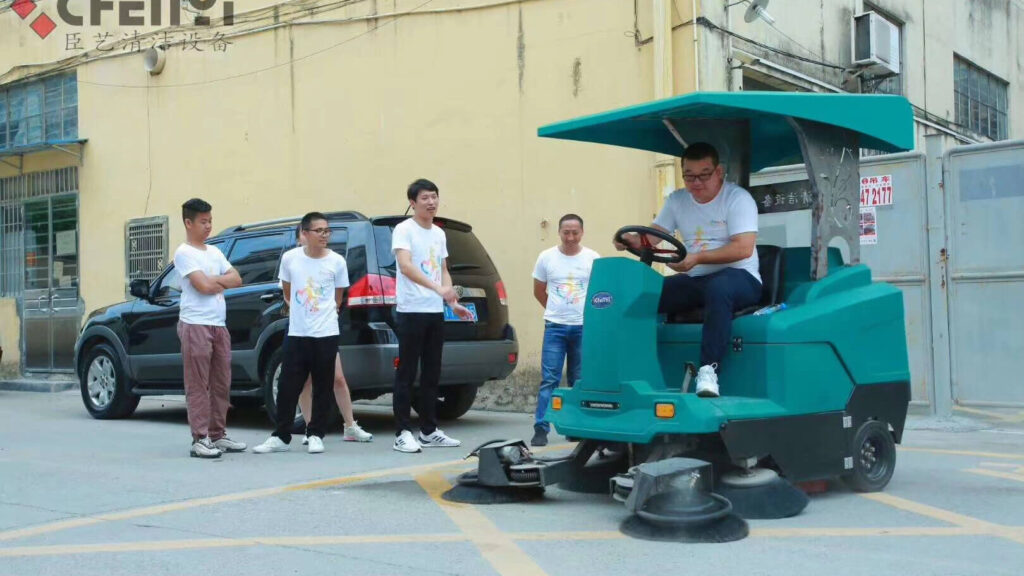
From what we see working closely with dealers in different regions, the industrial and commercial floor cleaning market continues to grow, but the rules of the game have changed. Factories are larger, warehouses operate longer shifts, and commercial spaces like supermarkets, shopping malls, hospitals, and airports are expected to stay clean with fewer workers and tighter budgets.
In this environment, floor scrubbers and sweepers are no longer optional purchases. They are core operational tools. When a machine goes down, cleaning stops—and so does part of the customer’s business.
This reality is why more dealers are moving away from “selling machines” and toward offering complete cleaning solutions. Customers are no longer asking only about price. They are asking:
- How long will this machine last?
- How easy is it to maintain?
- Can I get parts and consumables quickly?
From our experience as a manufacturer working closely with dealers, the ones who adapt to this shift are the ones who protect their margins and grow steadily.
Product Composition for Floor Cleaning Machine Distributors
One of the biggest differences between average dealers and highly profitable ones is how they structure their product mix.
Selling only machines creates ups and downs. Managing a complete product portfolio creates stability.
1. Floor Cleaning Machines (Main Revenue Source)
Machines are still the backbone of your business. They generate the largest invoices and bring customers through the door.
Most successful dealers cover several machine categories to serve different use cases.
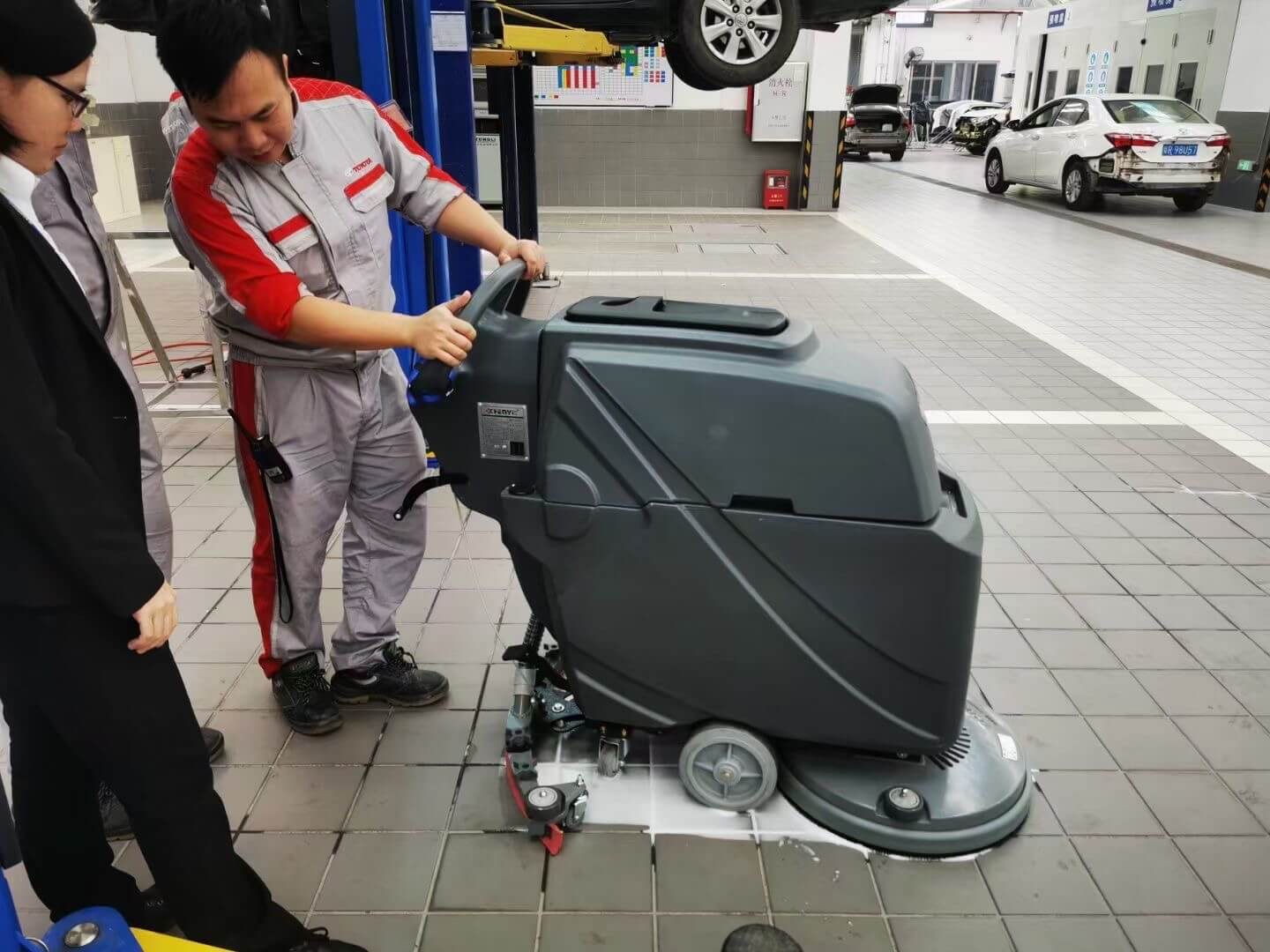
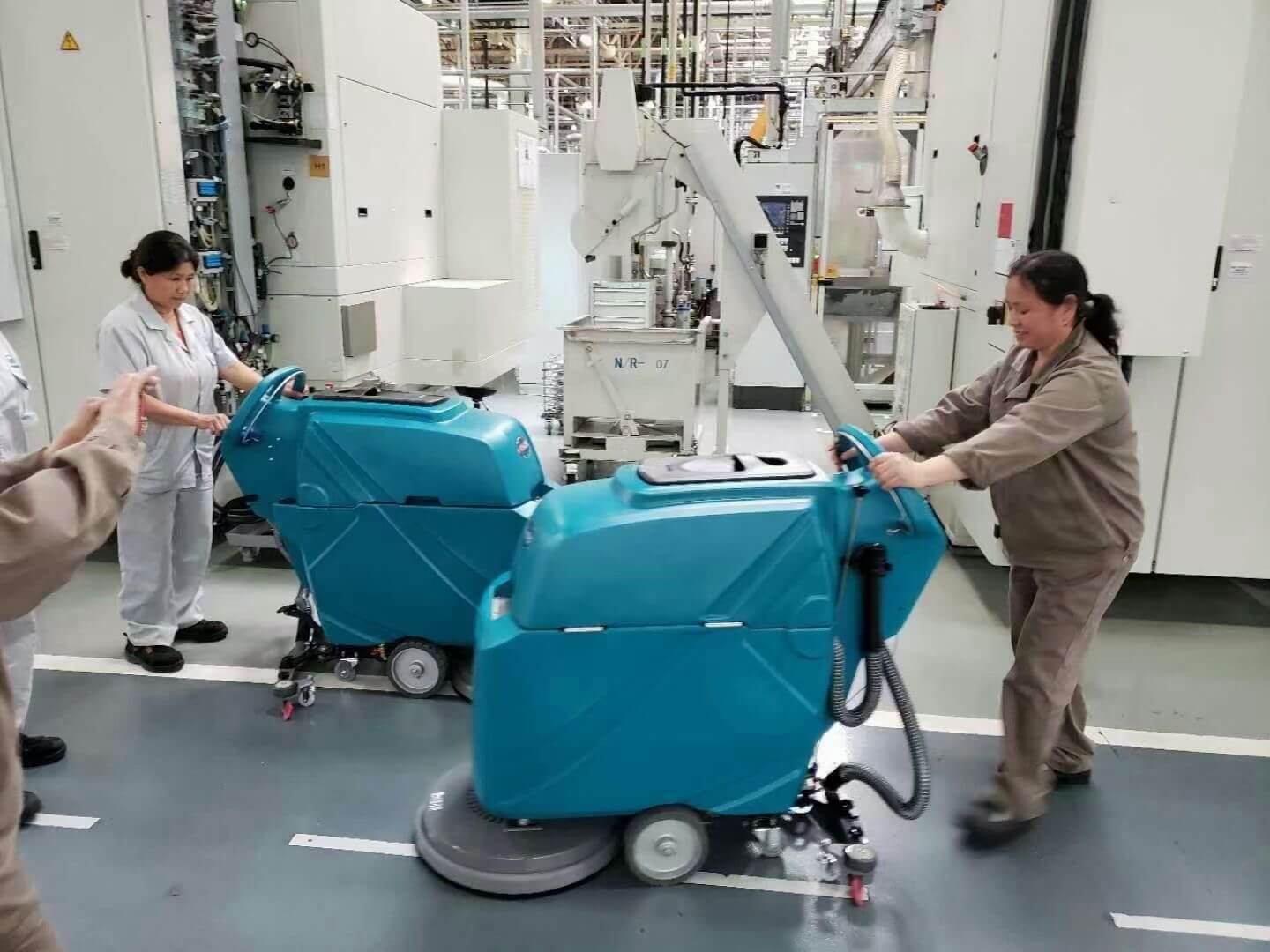
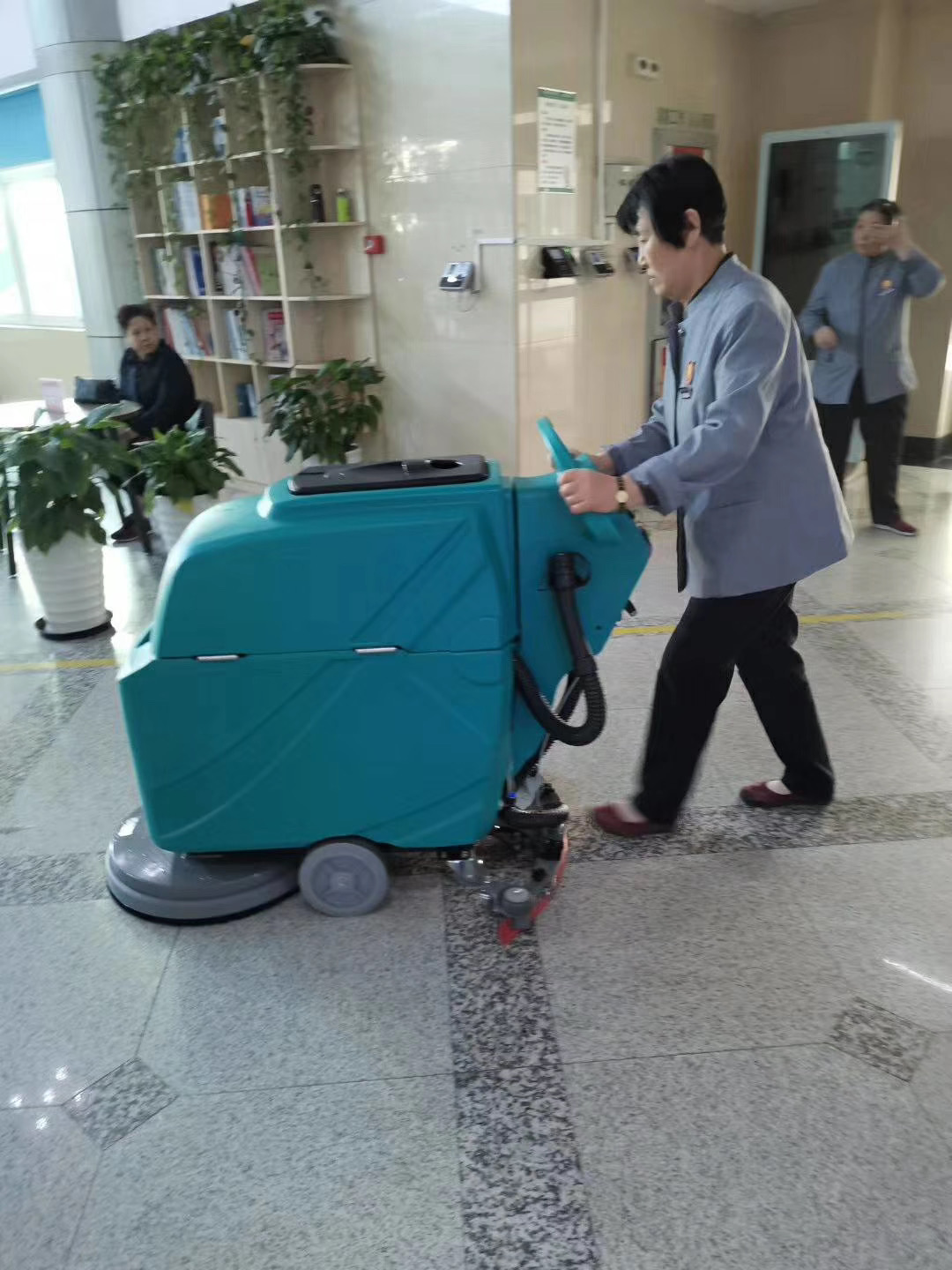
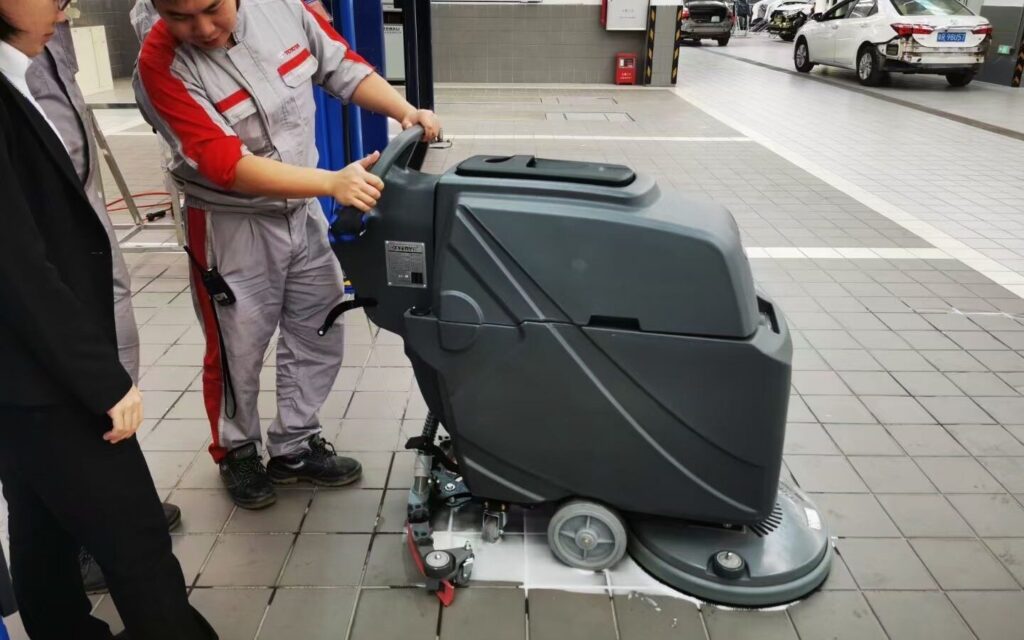
Walk-Behind Floor Scrubbers
These machines are widely used in:
- Retail stores
- Small warehouses
- Schools and healthcare facilities
From what we hear from dealers, walk-behind scrubbers are often the entry-level solution for customers moving away from manual cleaning. Reliability and ease of use matter more than advanced features.
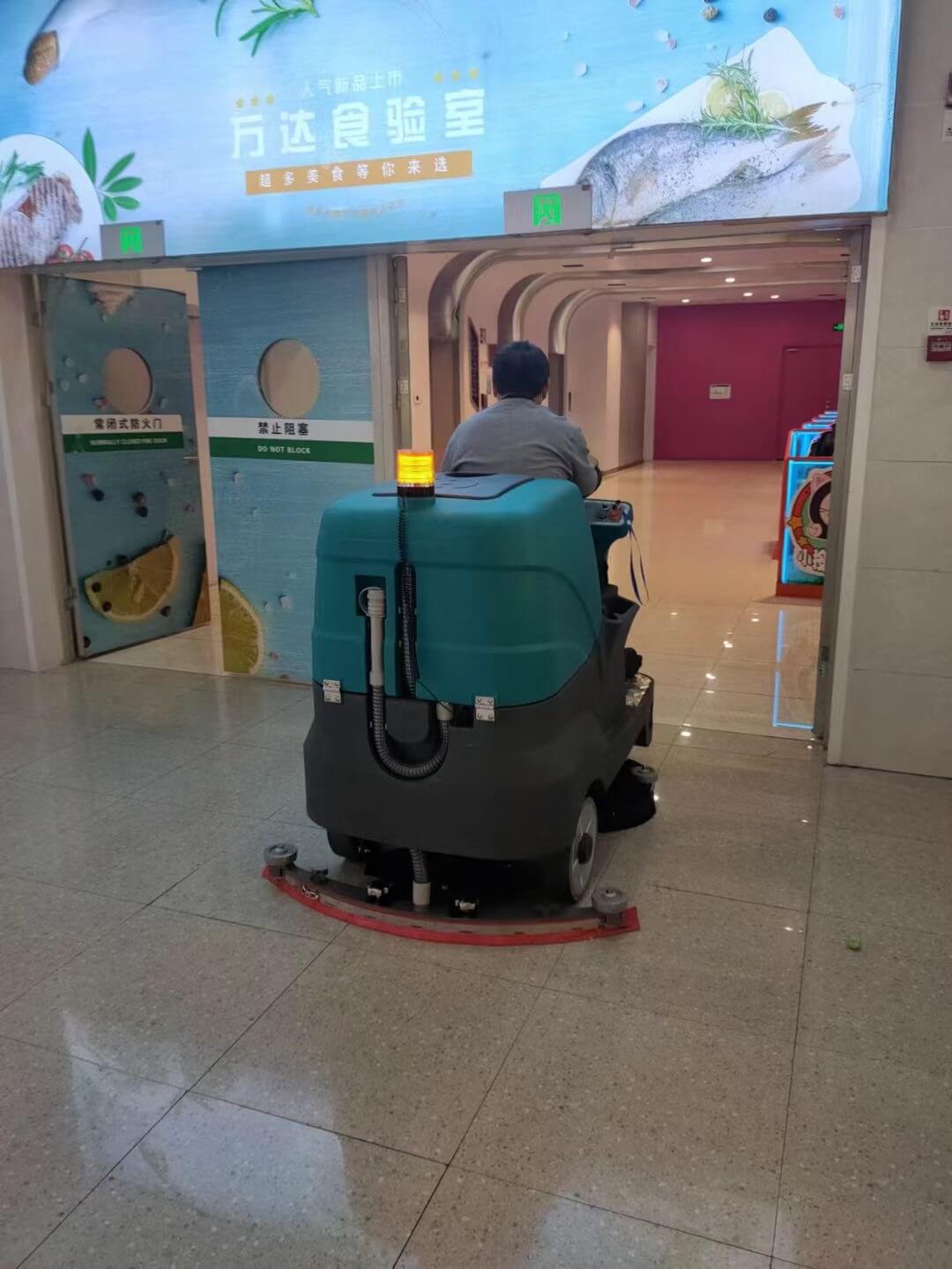
Ride-On Floor Scrubbers
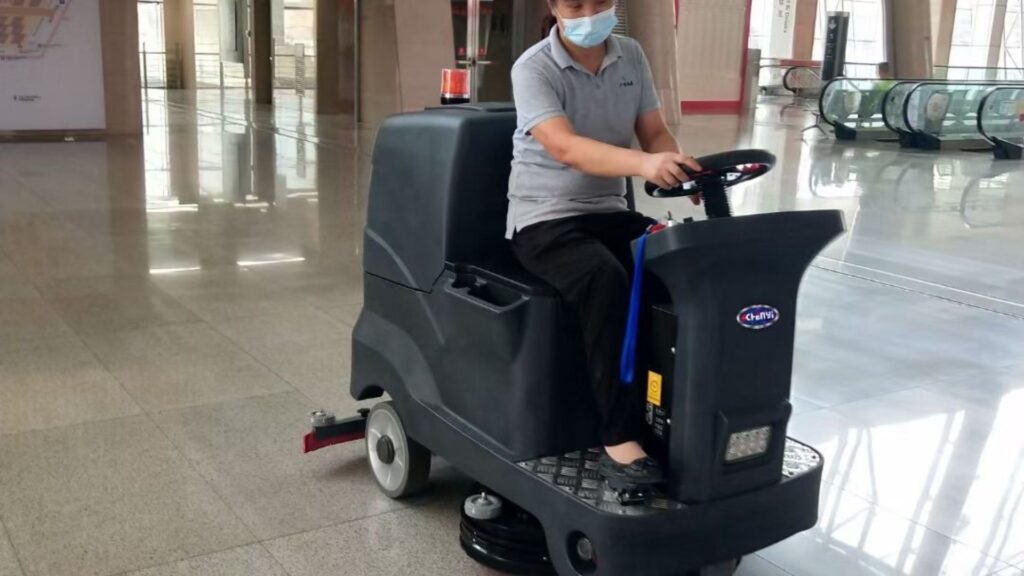
Ride-on machines are essential for:
- Large factories
- Logistics and distribution centers
- Airports and parking garages
Customers here are not buying a machine—they are buying productivity and uptime. Every hour of downtime costs real money.
Industrial Sweepers
Sweepers are commonly used in:
- Manufacturing plants
- Outdoor industrial sites
- Construction and municipal environments
They handle dust, sand, debris, and waste that scrubbers cannot manage efficiently.
Combination Scrubber-Sweepers
These machines are increasingly popular in large facilities because they combine sweeping and scrubbing in one pass, reducing labor and cleaning time.
From years of observation, the real difference between industrial and commercial applications isn’t size—it’s duty cycle, power requirements, and durability expectations. Dealers who understand this match the right machine to the right customer and avoid costly service issues later.

2. Consumables & Cleaning Supplies (Recurring Profit)
This is where many dealers underestimate their own potential.
Machines bring customers in. Consumables keep them profitable.
Key consumables include:
- Brushes (disc / roller)
- Squeegees
- Filters
- Pads
- Cleaning chemicals
I’ve had many honest conversations with dealers who told me the same thing:
“Once we focused on consumables, our business finally stabilized.”
Why? Because consumables bring stable and repeat orders for distributors. Machines are one-time purchases. Consumables create recurring revenue—often for years.
Dealers who actively manage consumables benefit from:
- Predictable cash flow
- Stronger customer retention
- Less pressure to constantly chase new machine sales
If there is one area where most competitors fall short, this is it.
Cost Structure for Floor Cleaning Equipment Distributors
This section matters more than most people admit. Profit is not made on invoices—it’s made in cost control.
From what we see across different markets, dealer cost structures usually include the same core elements.
Equipment Purchase Cost
For most dealers, machine procurement usually accounts for 55–70% of total operating cost. This is the largest cost item—and often the one dealers focus on too narrowly.
A lower purchase price doesn’t always mean higher profit if it leads to higher warranty and service costs later.
Import & Logistics Cost
Shipping, customs clearance, inland transport, and port handling costs vary by region, but they add up quickly—especially for bulky ride-on machines.
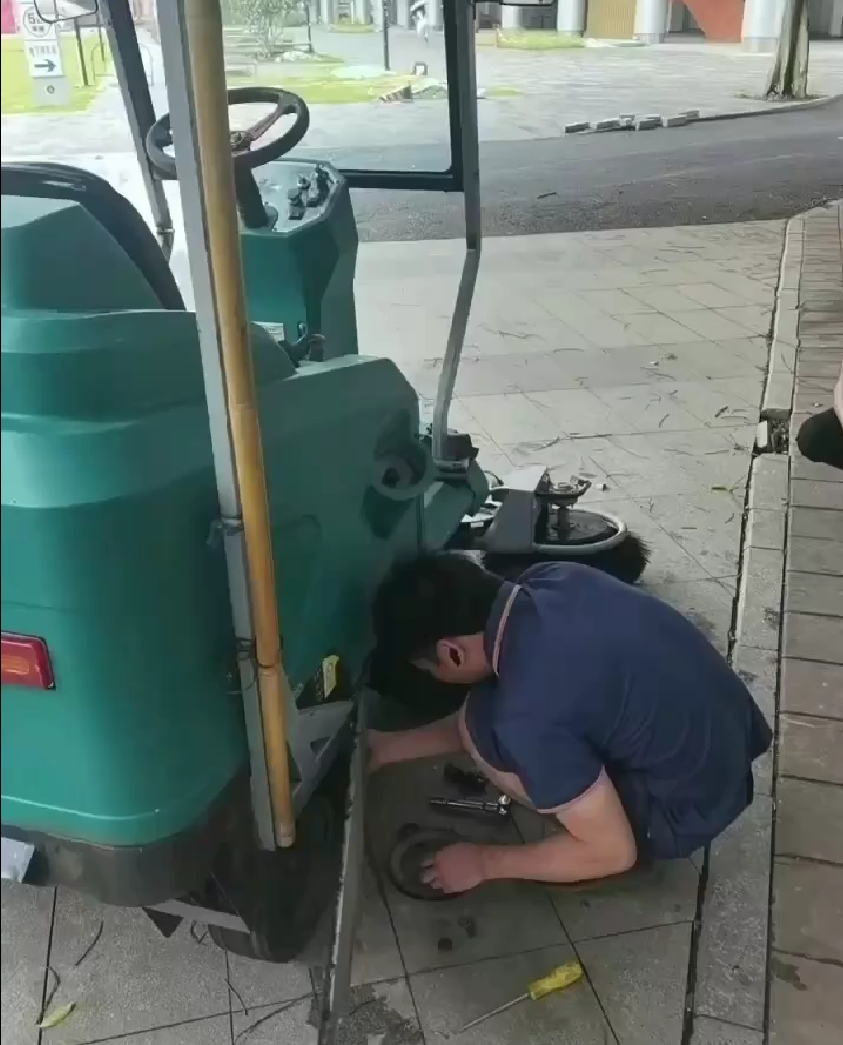
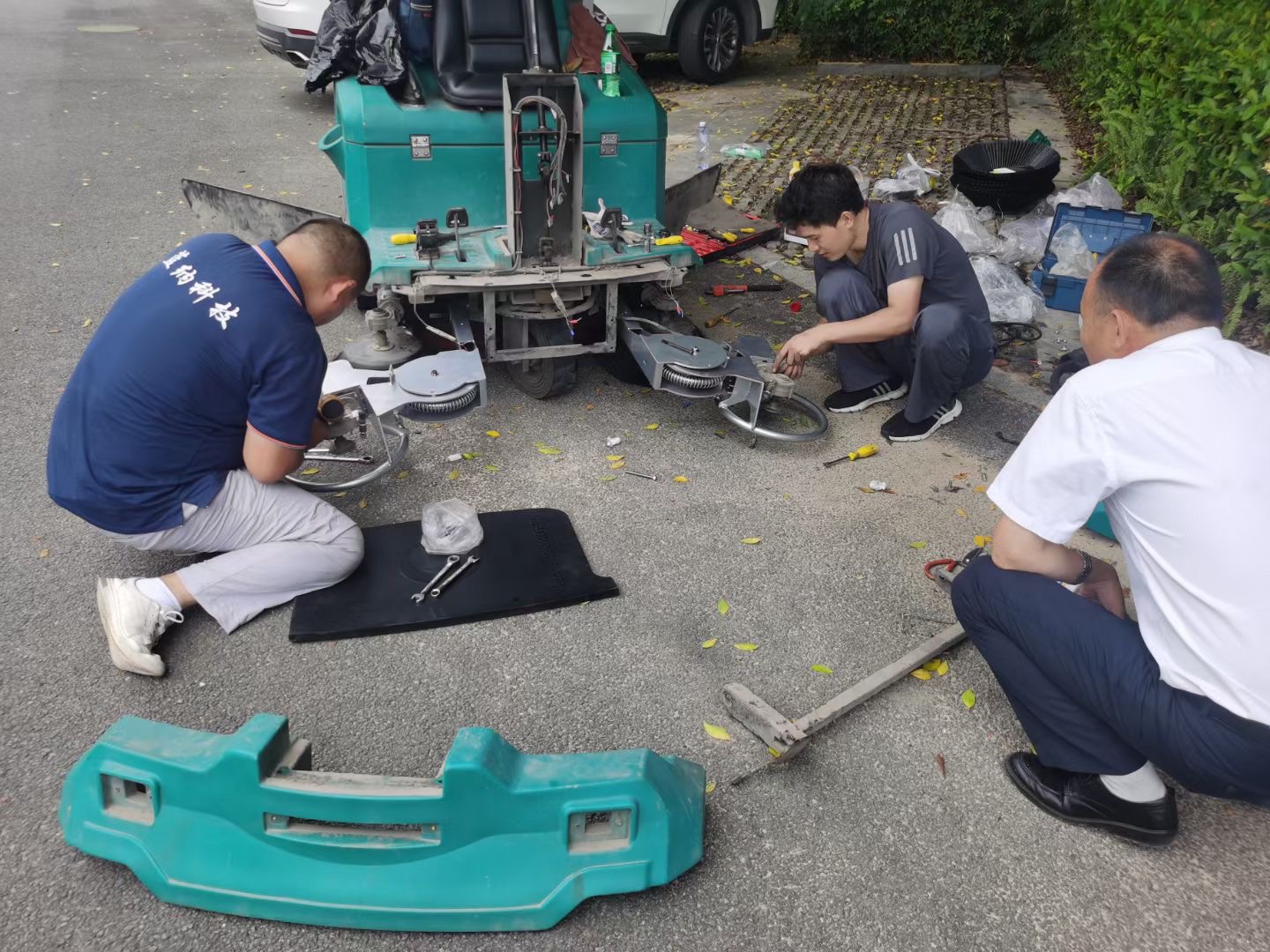
After-Sales Service Cost
This includes:
- Warranty repairs
- Spare parts
- Technical labor
From long-term observation, after-sales cost is often the hidden line that separates profitable dealers from struggling ones.
Inventory & Warehousing
Machines, spare parts, and consumables all tie up capital. Strong dealers balance availability with inventory turnover.
Marketing & Local Sales Cost
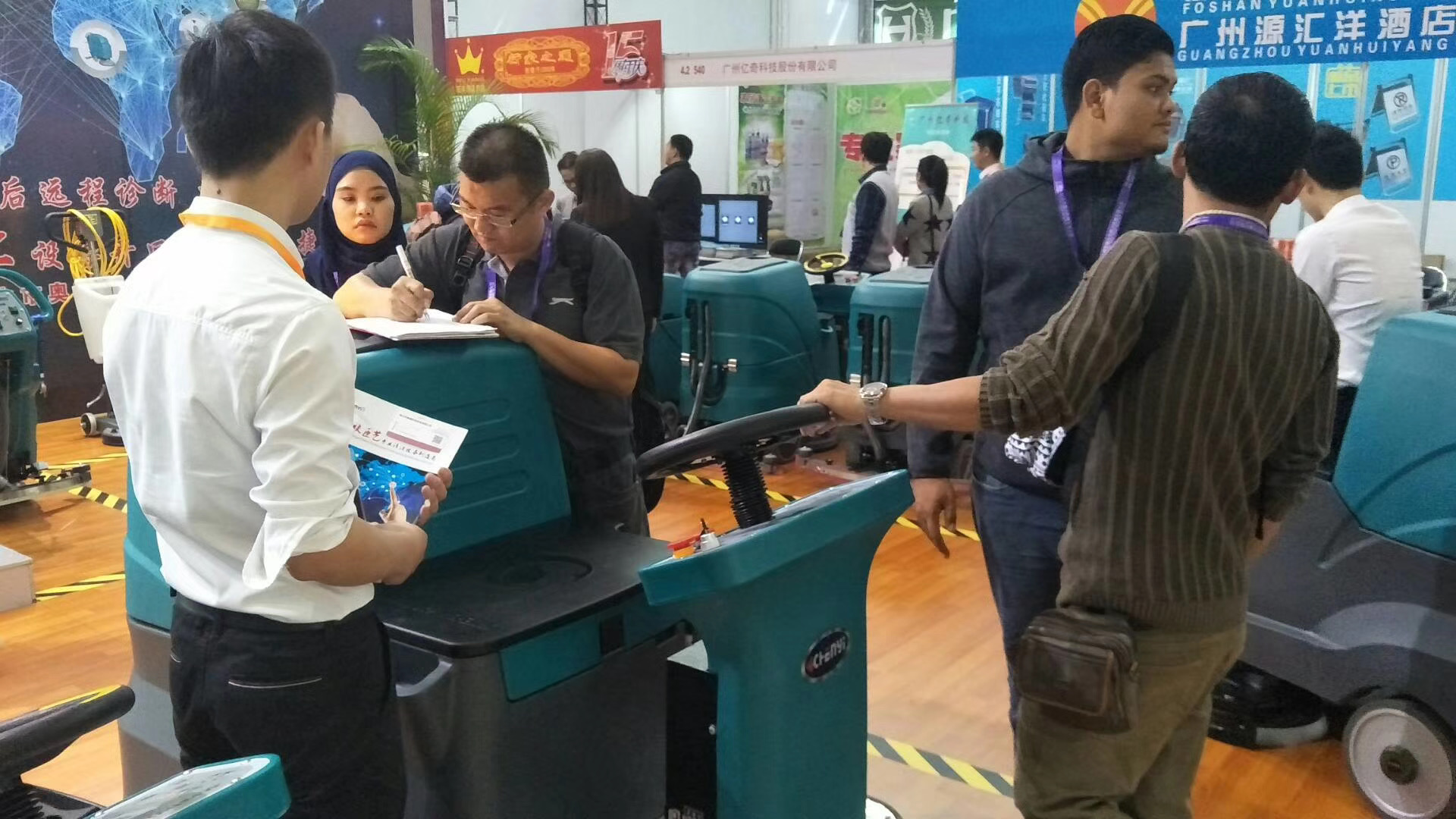
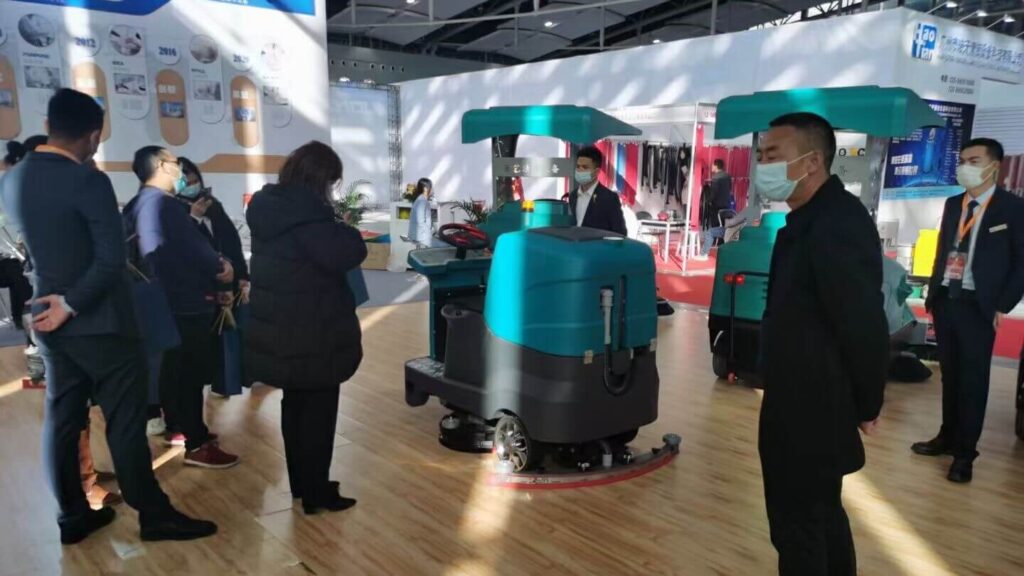
Demo machines, exhibitions, sales teams, and local promotion are unavoidable expenses in competitive markets.
The key insight here is simple: net profit depends on how well all these costs are managed together, not individually.
Gross Margin Analysis (Equipment vs Consumables)
This is one of the most common questions dealers ask.
Machines
- Gross margin: 20–35%
- High unit value
- Strong price competition
Machines drive growth and visibility, but margins are often under pressure.
Consumables
- Gross margin: 40–60%
- High repeat purchase frequency
- Lower price sensitivity
This leads to a conclusion we see repeatedly across markets:
For most distributors, consumables contribute a higher gross margin than machines.
Dealers who treat consumables as a strategic business line—not an add-on—build more resilient and predictable businesses.
Net Profit Structure for Industrial & Commercial Distributors
After accounting for logistics, service, inventory, and marketing, well-managed dealers typically achieve net profit margins of 10–18%.
From experience, dealers who consistently hit this range usually share three characteristics:
- A complete product mix (machines + consumables)
- Strong after-sales capability
- A long-term view of customer relationships
I’ve personally seen dealers struggle for years focusing only on machine sales, then turn profitable once they invested in service systems and consumables planning.

Why Choosing the Right Floor Cleaning Machine Manufacturer Matters
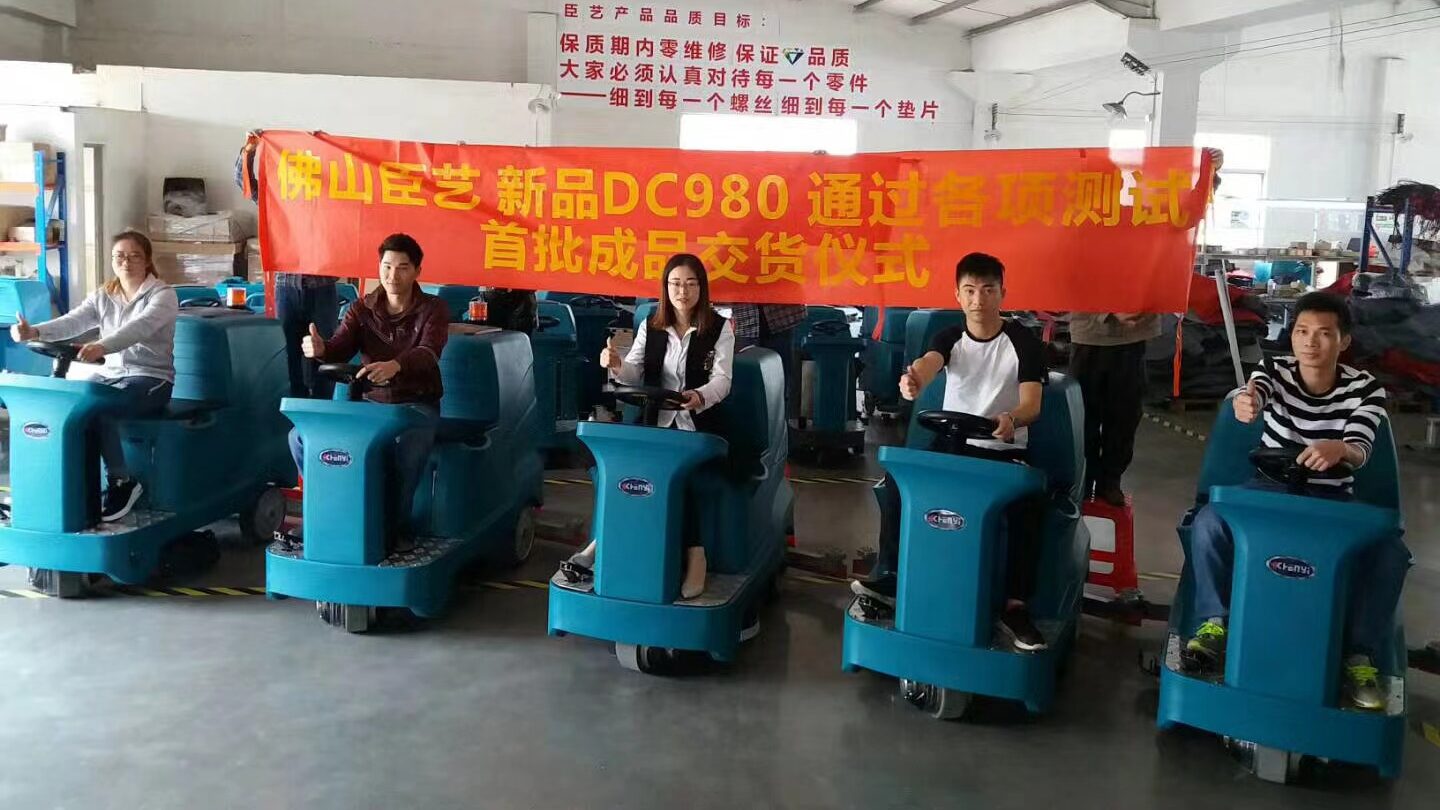
From a dealer’s perspective, your manufacturer is not just a supplier—it’s a long-term business partner.
The right floor cleaning machine manufacturer supports you with:
- Factory direct pricing
- OEM/ODM flexibility
- Stable supply of machines and consumables
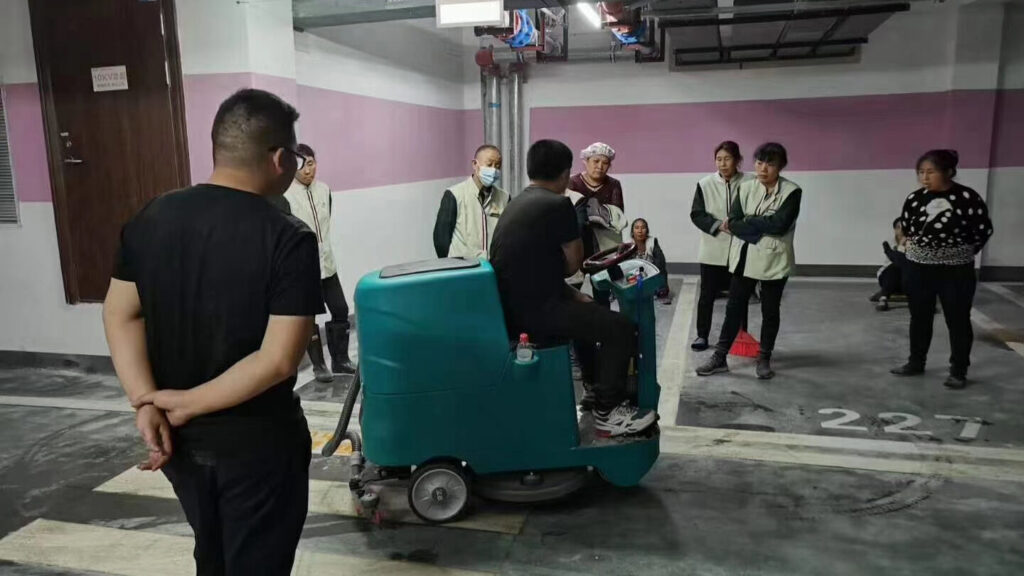
- Technical documentation and training support
This is not about buying the cheapest machine. It’s about protecting your gross margin, net profit, and reputation in your local market.
Dealers who choose manufacturing partners carefully tend to grow faster and face fewer surprises.
Conclusion
After years of working closely with commercial floor cleaning equipment dealers, one conclusion remains consistent:
A professional floor cleaning machine manufacturer with a complete product portfolio is the key to long-term distributor profitability.
In today’s market, dealers who understand product mix, cost structure, and margin dynamics are the ones who succeed—not just this year, but for many years ahead.
If this article helped you see your business more clearly, then it has done its job.