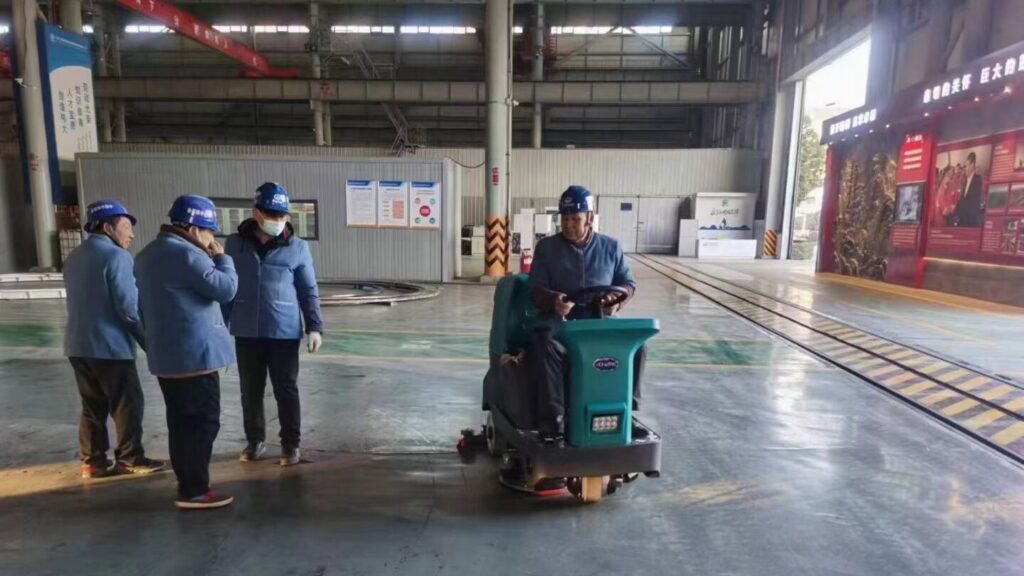
Overview of the Industrial & Commercial Floor Cleaning Market
If you are a floor cleaning machine distributor, importer, or reseller, you don’t need anyone to tell you this: the industrial and commercial cleaning market is growing—but making consistent profit is not getting easier.
From what we see working closely with distributors every day, factories are getting larger, warehouses are running longer hours, and commercial spaces like supermarkets, shopping malls, hospitals, and airports are under constant pressure to maintain higher cleaning standards with fewer workers. In these environments, floor scrubbers and sweepers are no longer optional—they are business-critical equipment.
This is exactly why buyers today search for partners like floor cleaning machine manufacturers and commercial floor cleaning equipment suppliers who can support them long-term, not just sell a machine once.
At the same time, distributors are shifting their mindset. Instead of asking “How many machines can I sell this year?”, more and more are asking:
- Where does real profit come from?
- Why do some distributors survive downturns better than others?
- How do equipment, consumables, and service work together?
This article is written from real-world experience, sharing what we’ve learned by working closely with distributors across different markets. My goal is simple: to help you see clearly how floor cleaning machine distributors actually make money—and how profit is often quietly lost.

Product Composition for Floor Cleaning Machine Distributors
One thing I’ve noticed over the years is that successful distributors don’t think in terms of single products—they think in terms of a product portfolio.
If you only focus on machines, your revenue will always fluctuate. If you understand the full product composition, your business becomes much more stable.
1. Floor Cleaning Machines (Main Revenue Source)
Machines are still the foundation of every distributor’s business. They generate the largest single invoices and shape how customers perceive your brand.
Most distributors we work with cover several categories:
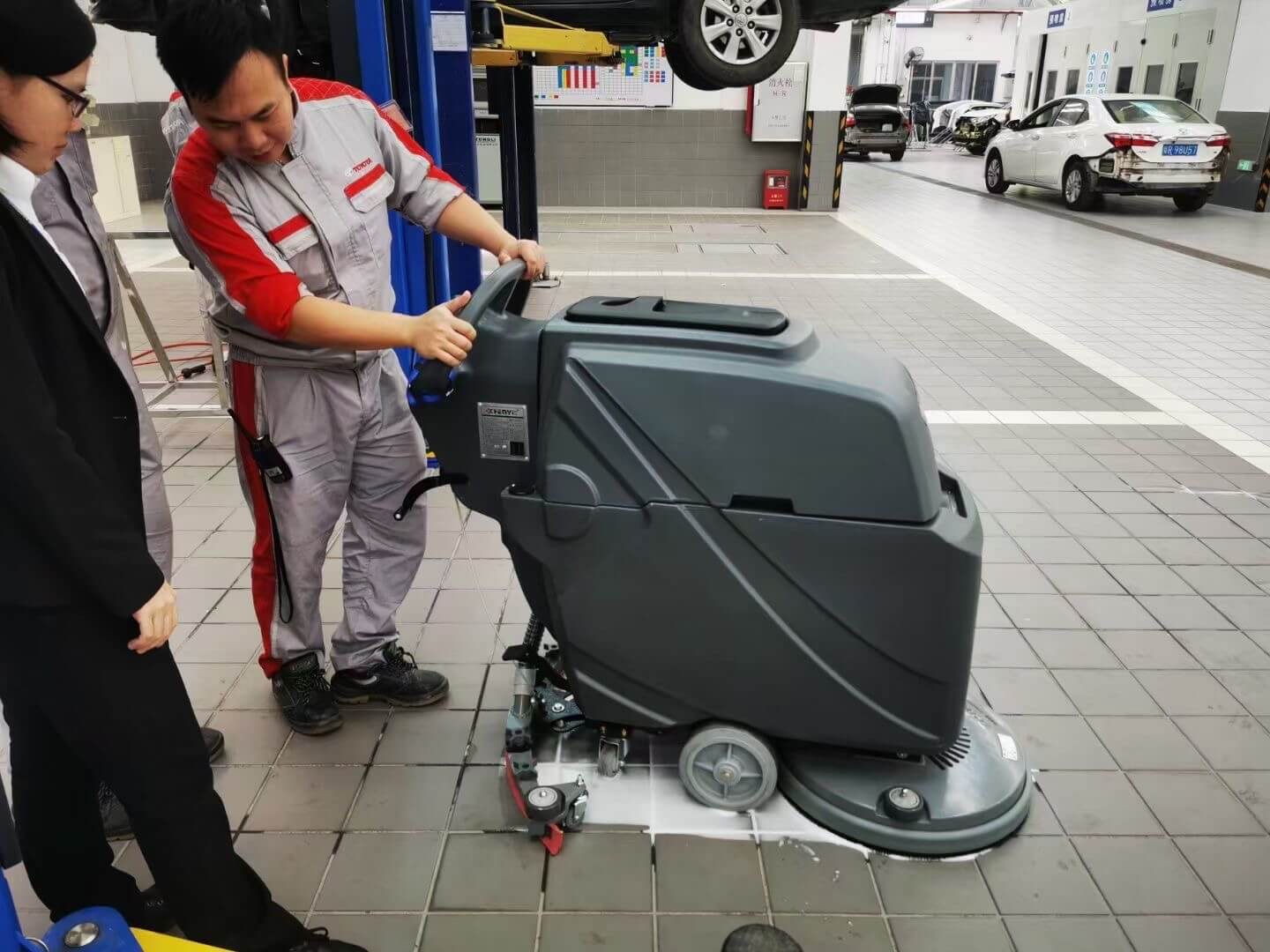
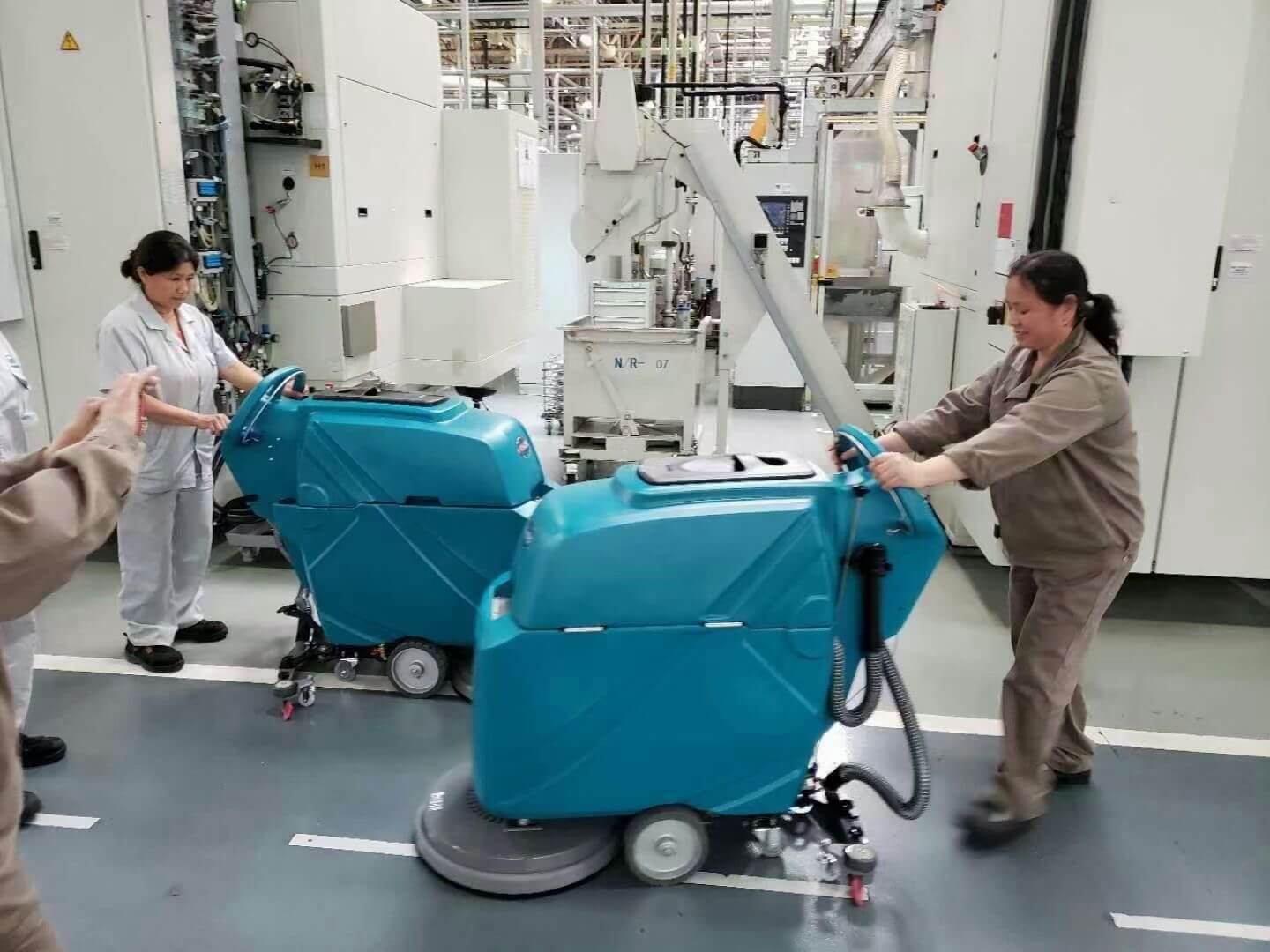
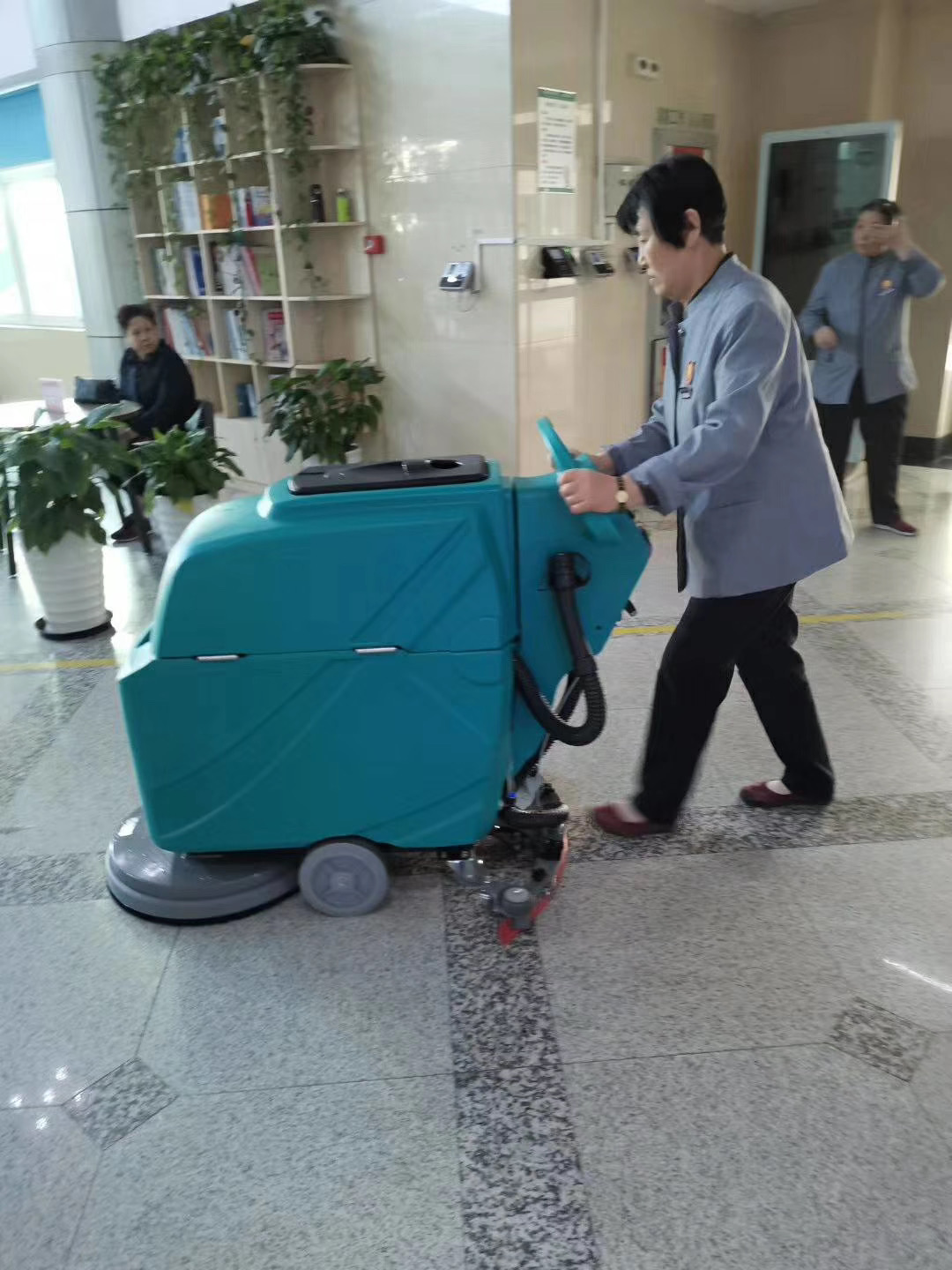
Walk-Behind Floor Scrubbers
These are widely used in:
- Retail stores
- Small warehouses
- Schools and healthcare facilities
For many customers, this is their first step away from manual cleaning. Price sensitivity is higher, and reliability matters more than advanced features.
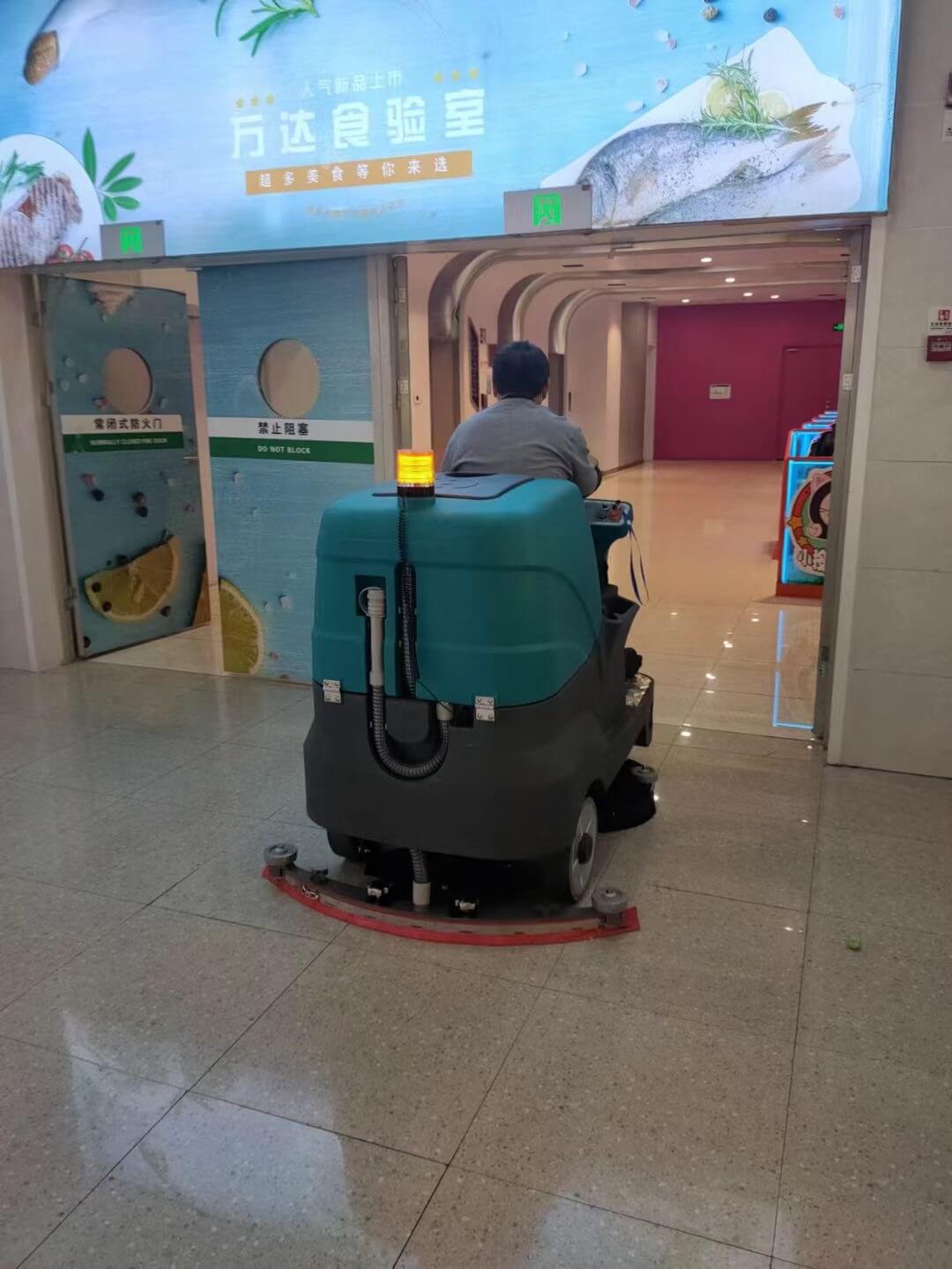
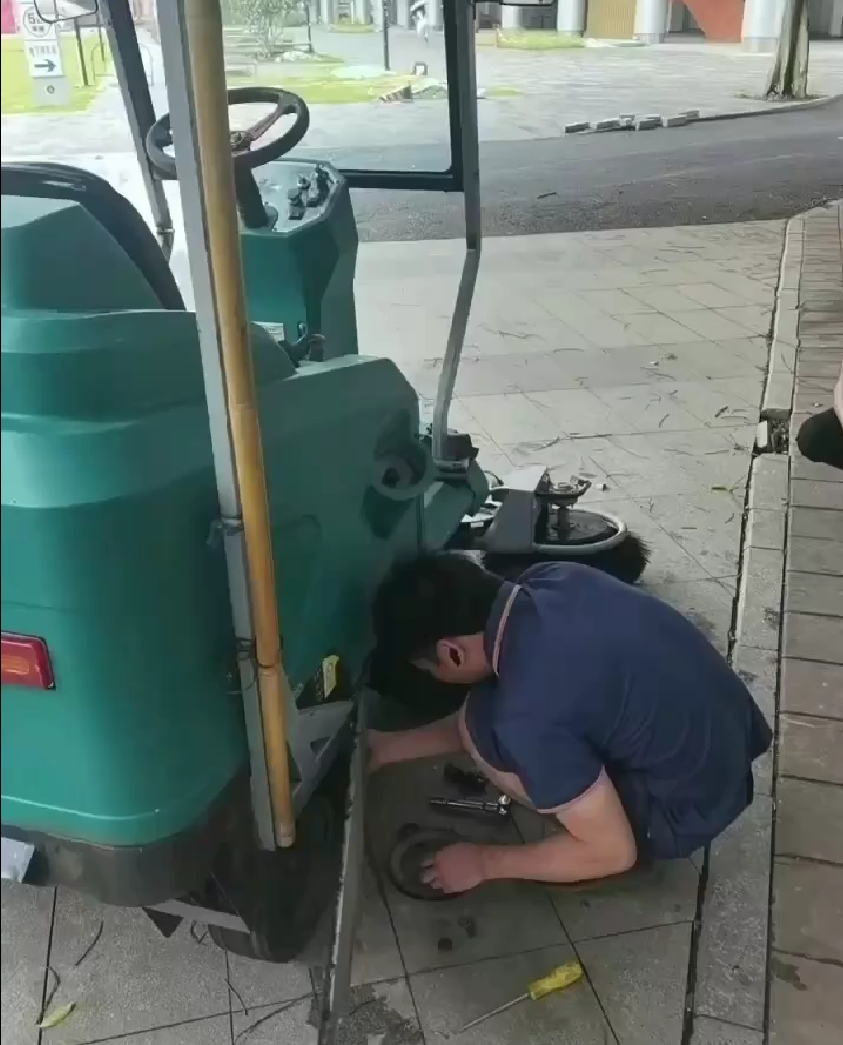
Ride-On Floor Scrubbers
Ride-on machines are essential in:
- Large factories
- Logistics centers
- Airports and parking garages
Here, customers care deeply about productivity, uptime, and long-term operating cost. One breakdown can disrupt an entire cleaning schedule.
Industrial Sweepers
Sweepers are commonly used in:
- Manufacturing plants
- Outdoor industrial sites
- Construction and municipal environments
They deal with dust, sand, debris, and waste that scrubbers simply can’t handle efficiently.
Combination Scrubber-Sweepers
These machines are gaining popularity in large facilities because they combine sweeping and scrubbing in one pass, saving labor and time.
From experience, the biggest difference between industrial and commercial use isn’t size—it’s duty cycle, motor power, structural strength, and durability expectations. And those factors directly affect warranty claims and after-sales cost.

2. Consumables & Cleaning Supplies (Recurring Profit)
This is the part of the business that many distributors underestimate at first—and later realize is where real stability comes from.
Machines bring customers in. Consumables keep them coming back.
The most important consumables include:
- Brushes (disc / roller)
- Squeegees
- Filters
- Pads
- Cleaning chemicals
I’ve had countless conversations with distributors who told me the same thing:
“Once we organized our consumables business, cash flow became much easier.”
Why? Because consumables bring stable and repeat orders for distributors. Machines sell once. Consumables sell again and again—often to the same customer for years.
Distributors who actively manage consumables benefit from:
- Predictable revenue
- Higher customer lifetime value
- Less dependence on new machine sales
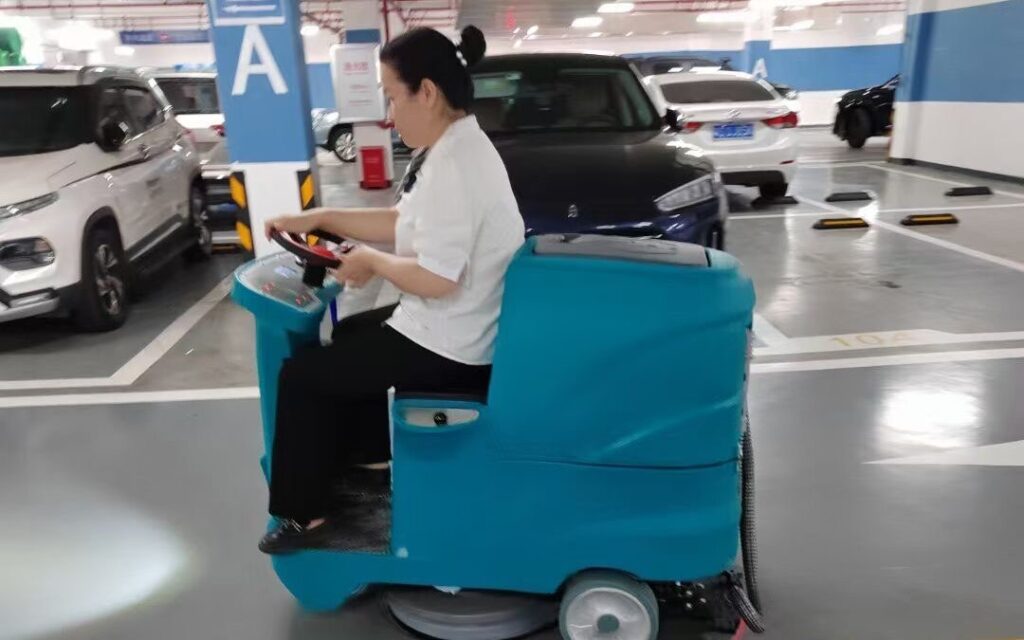
Cost Structure for Floor Cleaning Equipment Distributors
This is where we need to talk like insiders, not marketers.
No matter the region, most distributors share a similar cost structure.
Equipment Purchase Cost
For most distributors, machine procurement usually accounts for 55–70% of total operating cost. This is the biggest cost item—and also the easiest one to misunderstand.
A lower purchase price doesn’t always mean higher profit if it leads to higher service costs later.
Import & Logistics Cost
Shipping, customs clearance, inland transport, and port charges can vary significantly—especially for bulky ride-on machines. Poor logistics planning can quietly eat into margins.
After-Sales Service Cost
This includes:
- Warranty repairs
- Spare parts
- Technical labor
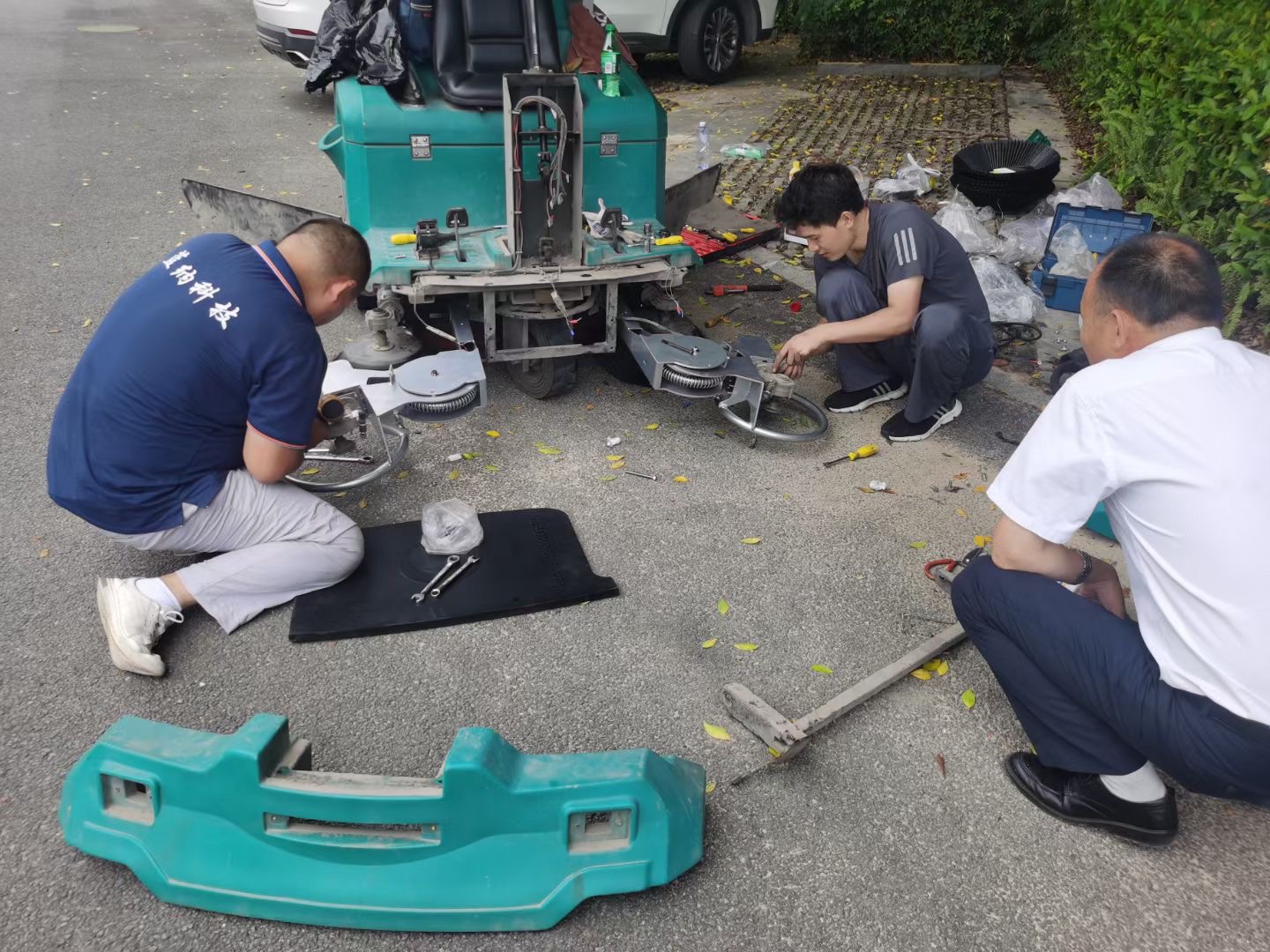
From what we see, after-sales cost is often the hidden difference between profitable and struggling distributors.
Inventory & Warehousing
Stocking machines, spare parts, and consumables ties up capital. Smart distributors balance availability with inventory turnover.
Marketing & Local Sales Cost
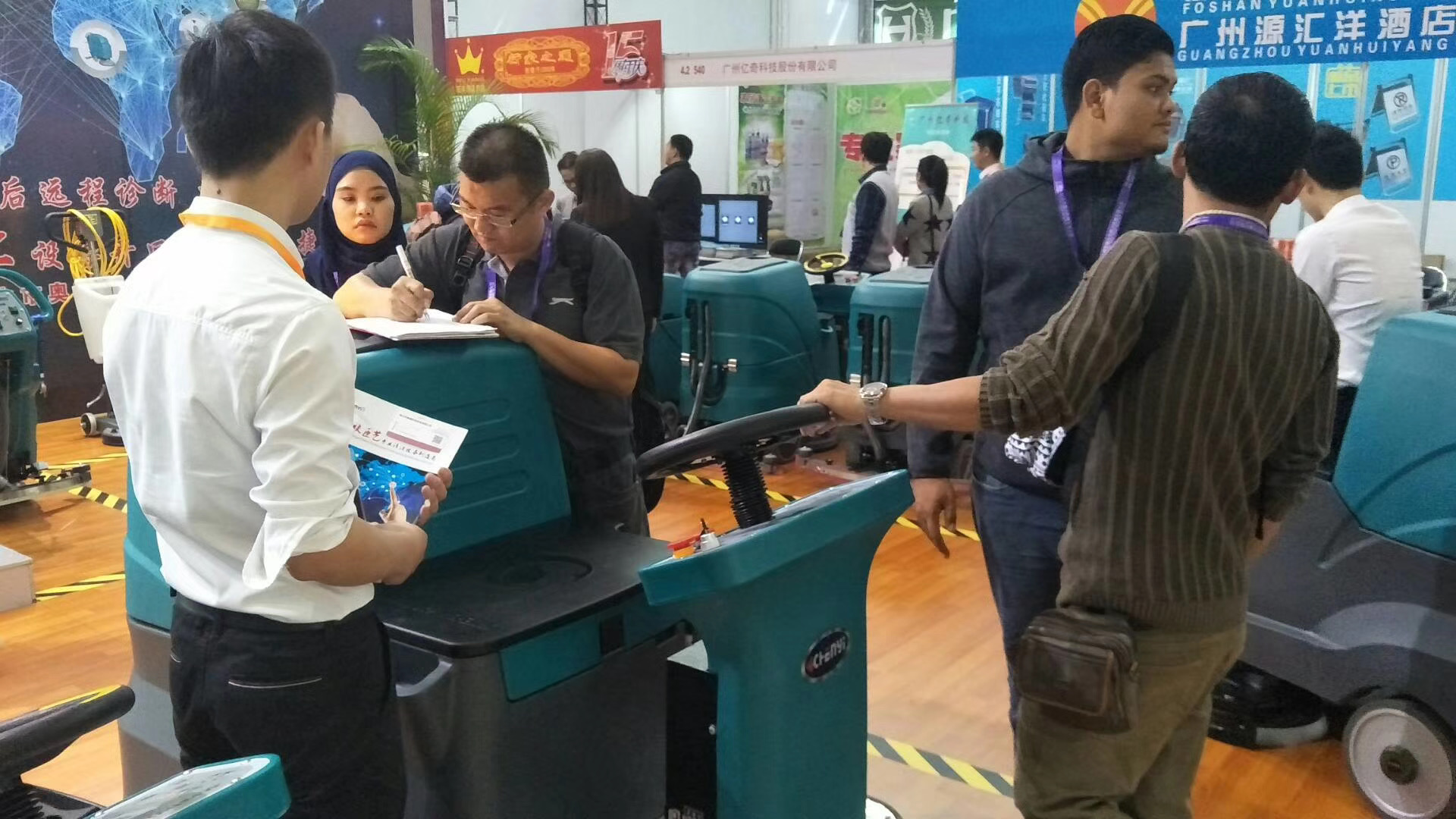
Demo machines, exhibitions, sales teams, and local promotion are necessary investments, especially in competitive markets.
The key lesson here is simple: net profit is not determined by selling price alone, but by how well total costs are controlled over time.
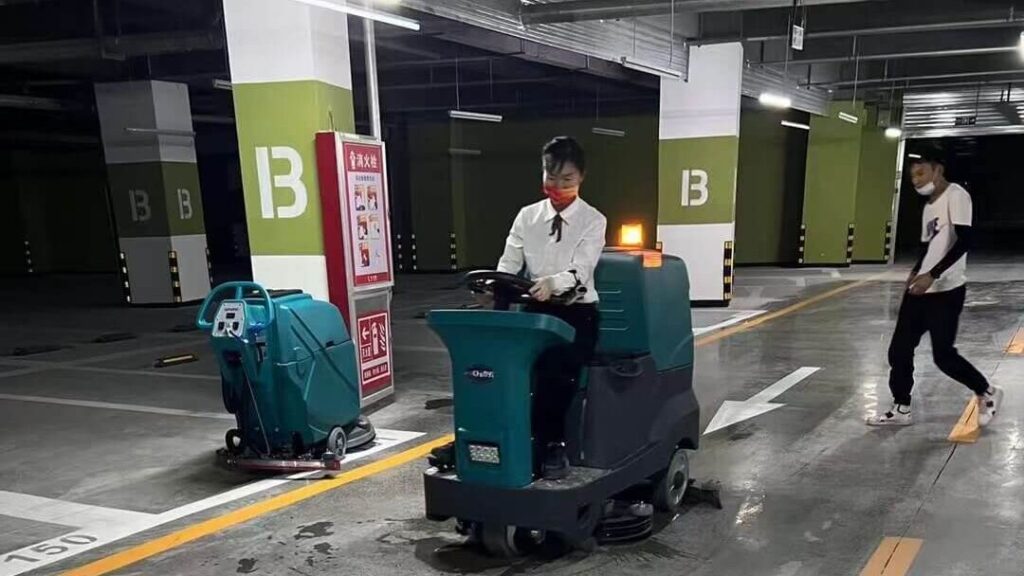
Gross Margin Analysis (Equipment vs Consumables)
This is one of the most common questions distributors ask us.
Machines
- Gross margin: 20–35%
- High unit value
- Strong price competition
Machines drive growth and visibility, but margins are often under pressure.
Consumables
- Gross margin: 40–60%
- High repeat frequency
- Lower price sensitivity
This leads to a conclusion we see in almost every market:
For most distributors, consumables contribute a higher gross margin than machines.
Distributors who treat consumables as a core business—not an add-on—build more resilient operations.
Net Profit Structure for Industrial & Commercial Distributors
After accounting for logistics, service, inventory, and marketing, typical net profit margins for well-managed distributors fall between 10–18%.
From experience, the distributors who consistently achieve this share three traits:
- A complete product portfolio (machines + consumables)
- Strong after-sales capability
- A long-term view of customer relationships
I’ve personally seen distributors struggle for years chasing machine sales, only to turn profitable once they invested in service and consumables.
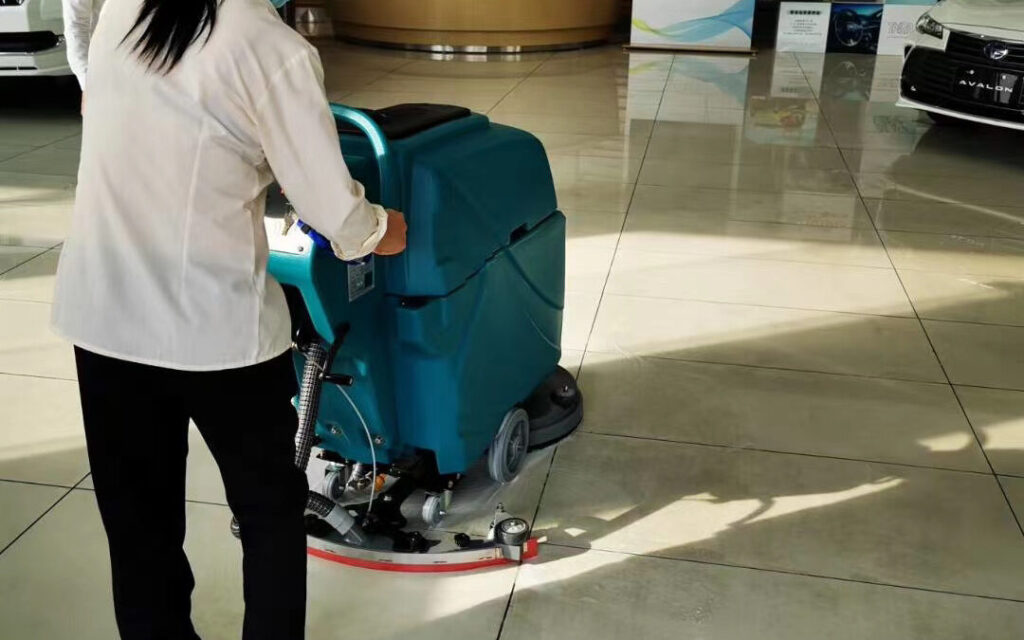
Why Choosing the Right Floor Cleaning Machine Manufacturer Matters
From a distributor’s point of view, your manufacturer is not just a supplier—it’s a long-term business partner.
The right floor cleaning machine manufacturer supports you with:
- Factory-direct pricing
- OEM/ODM flexibility
- Stable supply of machines and consumables
- Technical documentation and support
This isn’t about buying the cheapest equipment. It’s about protecting your margin, reputation, and customer trust over the long run.
Distributors who choose manufacturing partners carefully tend to grow faster—and sleep better at night.

Conclusion
After years of working closely with distributors, one conclusion keeps repeating itself:
A professional floor cleaning machine manufacturer with a complete product portfolio is the key to long-term distributor profitability.
In today’s industrial and commercial cleaning market, distributors who understand equipment, consumables, cost structure, and margin dynamics are the ones who succeed—not just this year, but for many years to come.
If this article helped you see your business more clearly, then it has done its job.