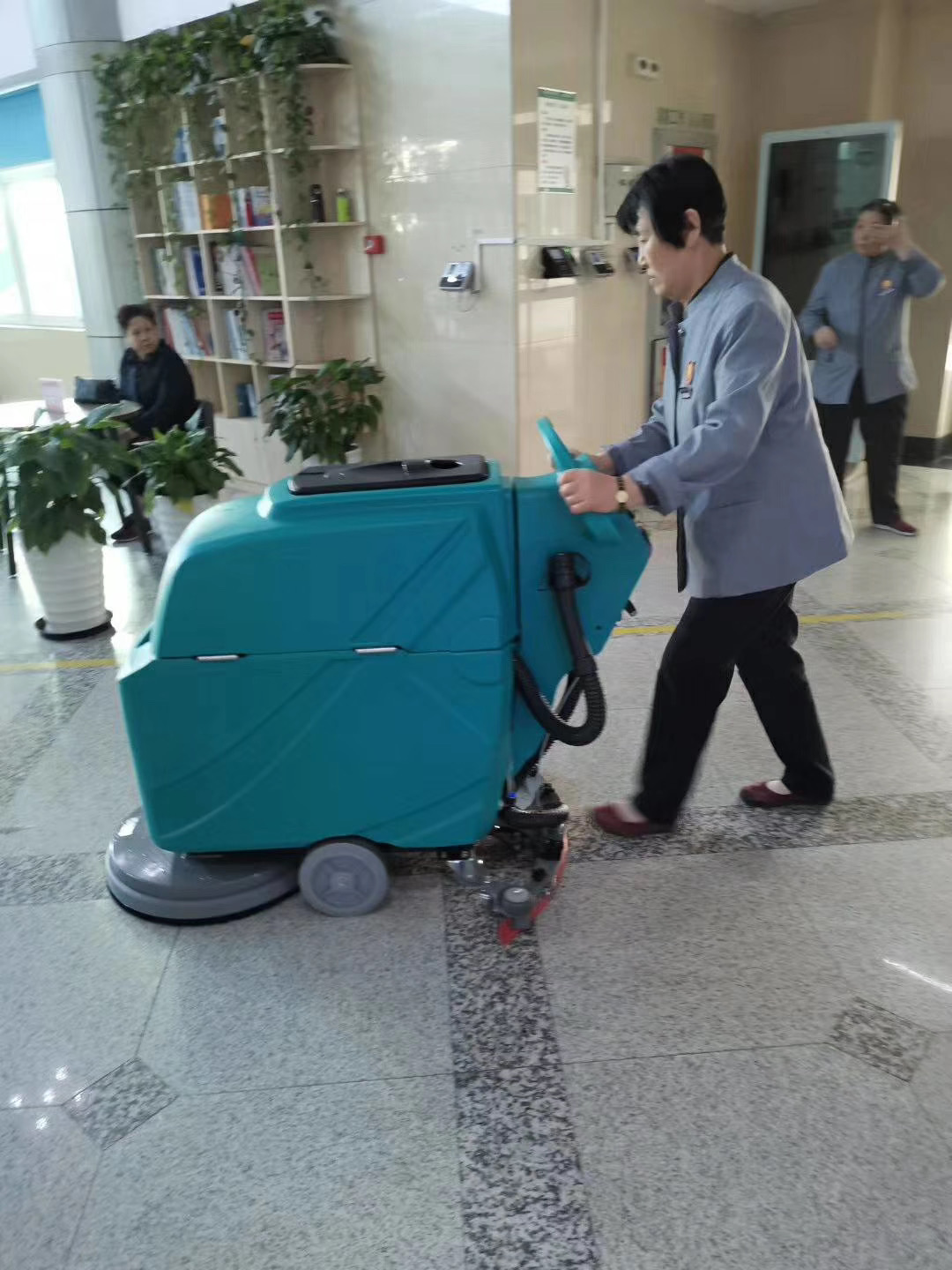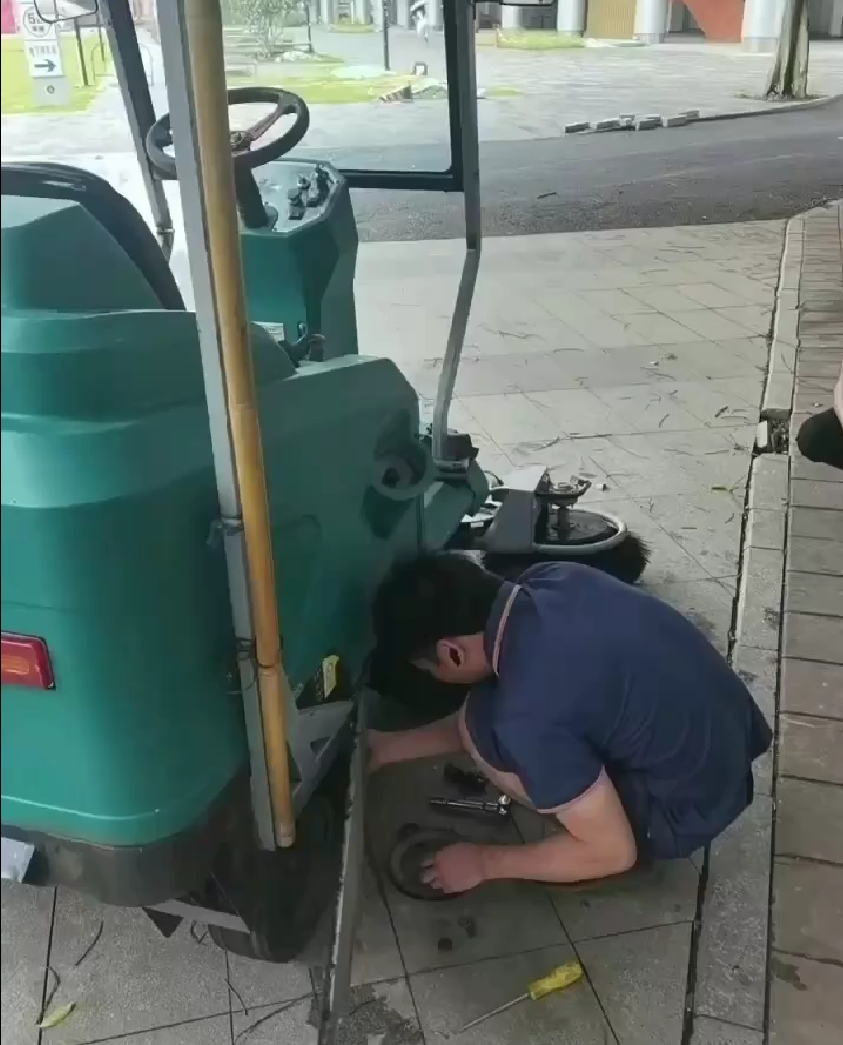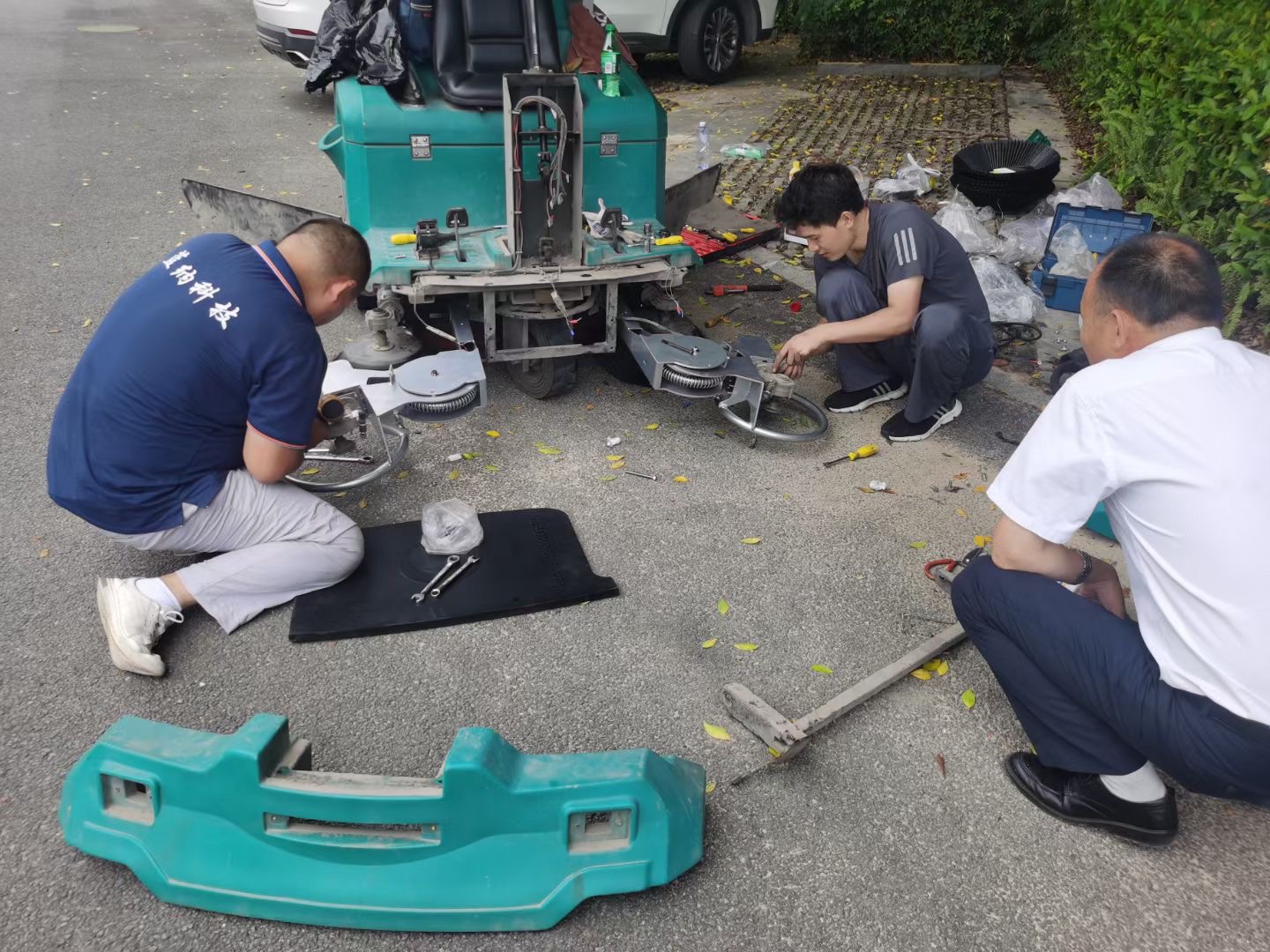

(Written from the perspective of someone who builds these machines every day)
As someone who has spent years inside a floor cleaning machine factory, watching our engineers, technicians, and QC teams bring industrial scrubbers and sweepers to life, I’ve learned one thing that I always share with new distributors or brand owners:
Anyone can assemble a commercial floor cleaning machine.
But building an industrial-grade machine requires a completely different mindset, different materials, and a different level of discipline.
When international buyers visit our production lines for the first time, what usually surprises them isn’t the size of the machines — but the rigor behind every assembly step. And this is where many suppliers fail. It’s also where the true difference in durability, cost, and long-term value begins.
In this article, I want to walk you through the hidden reality of industrial floor cleaning equipment assembly — what really separates professionals from assemblers, and what you as a B2B buyer should look for before you trust a manufacturer with OEM/ODM production.
This is everything I wish someone had explained to me earlier in my career.
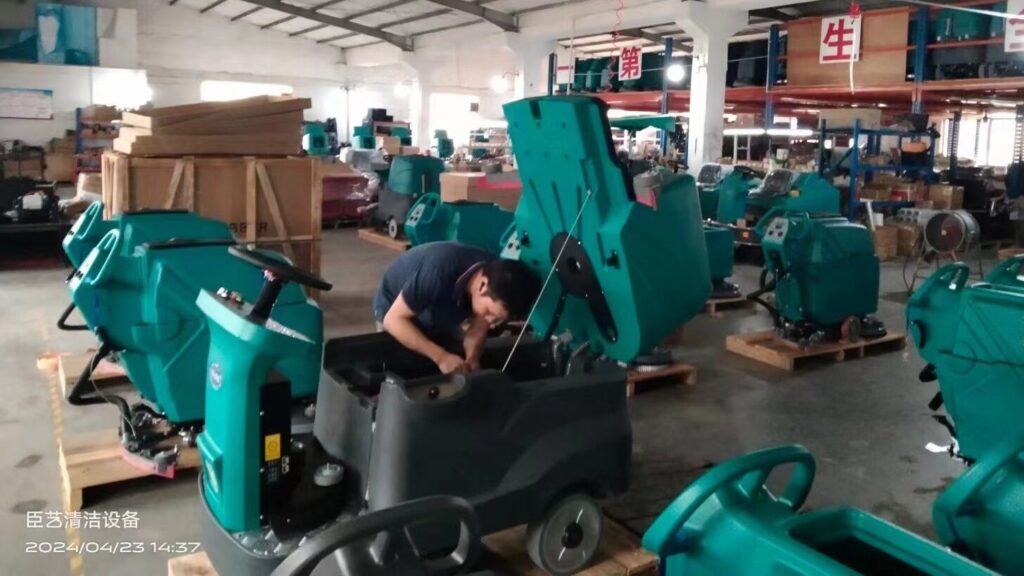
1. Why Industrial Buyers Need Higher Assembly Standards
If you work in facilities management, distribution, floor cleaning machine sales, or OEM sourcing, you probably know the pain of machines that look good on the outside but fall apart quickly in the field.
Here’s why:
Industrial floor scrubbers and sweepers operate in high-stress environments:
- factories and production plants
- logistics centers and warehouses
- hospitals and large schools
- parking garages exposed to water and temperature swings
These environments push machines to the limit. And this is where commercial-grade assembly fails.
A commercial machine might:
- operate 1–2 hours per day
- deal with light dirt and simple chemicals
- move across smooth retail floors
Industrial machines typically:
- run 4–10 hours daily
- face chemicals, grease, metal shavings, and dust
- operate on rough concrete or ramps
- take impacts from pallets, forklifts, or carts
That is why assembly quality is not optional — it is the foundation of durability.
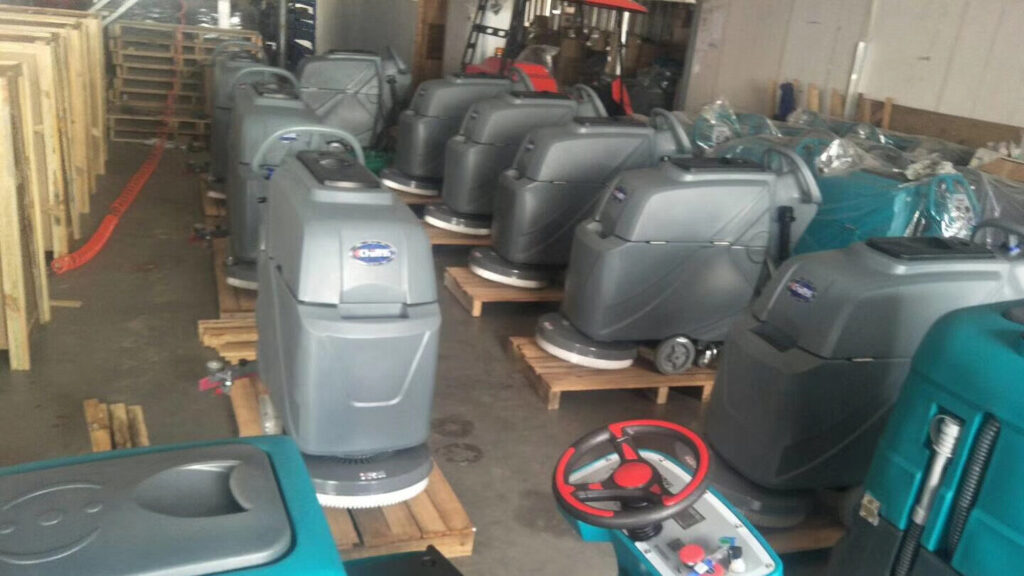
2. Engineering Design Differences That Shape the Assembly Process
Before a single bolt is tightened, a professional industrial floor cleaning machine manufacturer must spend months on engineering, simulations, and prototype testing.
This R&D work dictates how the assembly line is designed — and ultimately determines the quality of the final product.
Let me share the most important areas where industrial and commercial development differ.
2.1 CAD Structural Strength Analysis
In our R&D office, every machine design goes through finite element analysis (FEA) to test:
- chassis bending
- tank deformation
- vibration transfer
- squeegee force distribution
Commercial machines rarely go through this process.
Industrial machines must — otherwise they fail under load.
2.2 Motor Power Simulations & Torque Modeling
Industrial brush motors, vacuum motors, and drive motors are engineered for:
- higher startup torque
- prolonged peak loads
- heat dissipation
- shaft load tolerance
- continuous operation cycles
This affects:
- wiring gauge
- heat shielding
- bracket strength
- airflow design
All of these translate into different assembly rules.
2.3 Waterproofing & Electronics Design
In industrial scrubbers, moisture is always the enemy.
So our engineering team incorporates:
- IP67 waterproof connectors
- sealed control boxes
- industrial PCB conformal coating
- cable routing maps
- rubber cable grommets
This is why the assembly process for wiring is extremely strict — no loose connectors, no exposed copper, no unprotected joints.
2.4 Battery System Decisions
Our engineering team performs:
- discharge calculations
- BMS integration (for lithium)
- real-world runtime simulation
- internal resistance checks
- heat management planning
This ensures proper battery placement, bracket design, ventilation, and wiring requirements during assembly.
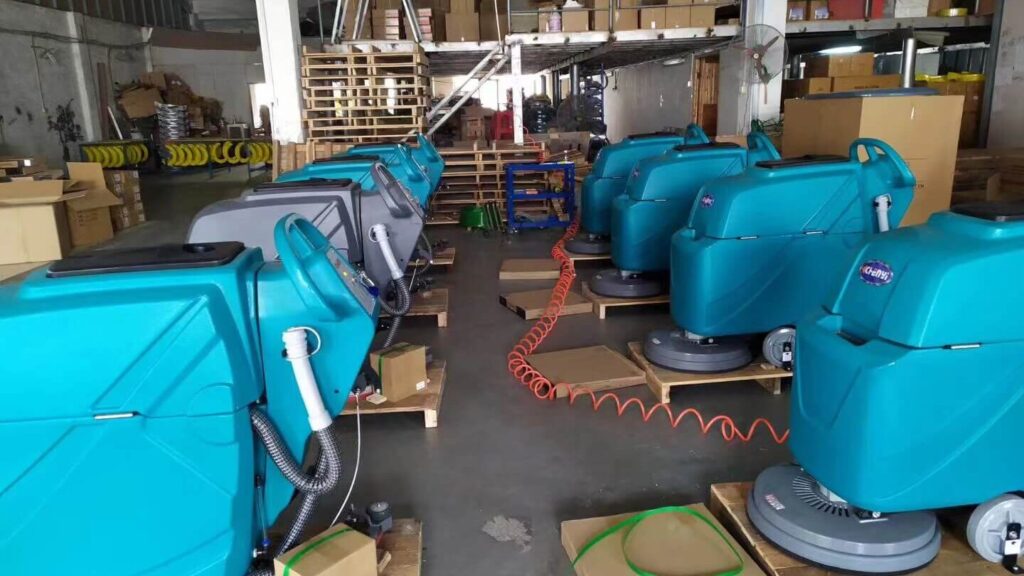
3. Water Tank & Mold Manufacturing Differences — And Why They Matter During Assembly
From the outside, a water tank may look like a simple plastic part.
But any professional manufacturer will tell you:
The tank affects the entire assembly process — strength, alignment, motor mounting, and long-term reliability.
Here’s why.
3.1 Rotomolding vs Injection Molding
For industrial machines, we use rotational molding because it produces:
- thick walls
- uniform density
- excellent impact resistance
- no weld lines
- long life under vibration
Commercial factories often use thin injection-molded tanks. That means:
- tanks bend
- brackets loosen
- motors misalign
- water leaks occur
Our assembly process uses reinforced mounting points and compression fixtures because the tanks can support real industrial loads.
3.2 Wall Thickness & Reinforcement
Our rotomolded tanks are 5–8 mm thick — commercial tanks can be as thin as 2.5 mm.
During assembly, this difference affects:
- bracket torque Values
- bumper installation
- weight distribution
- vibration isolation
Thin tanks simply cannot support industrial motors.
3.3 Drop & Burst Testing
Every tank mold is approved only after:
- 1–2 meter drop testing
- hydraulic burst testing
- clamp pressure testing
This ensures tanks don’t deform during assembly or break after delivery.

4. Raw Materials and Components That Influence the Assembly Process
This is the part most international buyers find eye-opening.
A machine’s durability is defined not only by the materials themselves, but by how those materials affect assembly precision.
Let’s break down the most critical categories.
4.1 Industrial Motors vs Commercial Motors
Industrial motors demand:
- stronger brackets
- anti-vibration pads
- higher torque fastening
- cooling channel alignment
- upgraded wiring
This is why a factory assembling industrial machines must have:
- torque-calibrated screwdrivers
- vibration measurement tools
- proper wiring terminals
Commercial factories simply do not have these capabilities.
4.2 Thick Steel Chassis & Welding Quality
Industrial machines use:
- robotic welding
- thicker steel
- powder-coated surfaces
- reinforcement plates
Assembly requires:
- alignment fixtures
- frame measurement tools
- stress-distribution checks
Cheap factories just “bolt things together.”
Professional factories rely on precision jigs.
4.3 Industrial Wheels & Tyres
These require:
- proper axle alignment
- torque-controlled installation
- preload adjustment
- bearing inspection
This ensures machines run straight, stable, and quiet even after years of use.
4.4 Gearboxes & Drive Systems
Installing an industrial gearbox isn’t like assembling a toy.
Our technicians must check:
- gear engagement depth
- lubrication levels
- shaft runout
- belt tension
Commercial suppliers rarely check these tolerances.
Industrial machines use automotive-level assembly rules.
4.5 Electrical Connectors & Wiring Harness
Here’s a rule I always tell buyers:
If you want to judge a manufacturer’s professionalism, look at the wiring.
Industrial wiring uses:
- sealed connectors
- routing channels
- heat-shrink protection
- cable ties at exact positions
- vibration-proof terminals
This requires skilled electricians — not basic assembly workers.
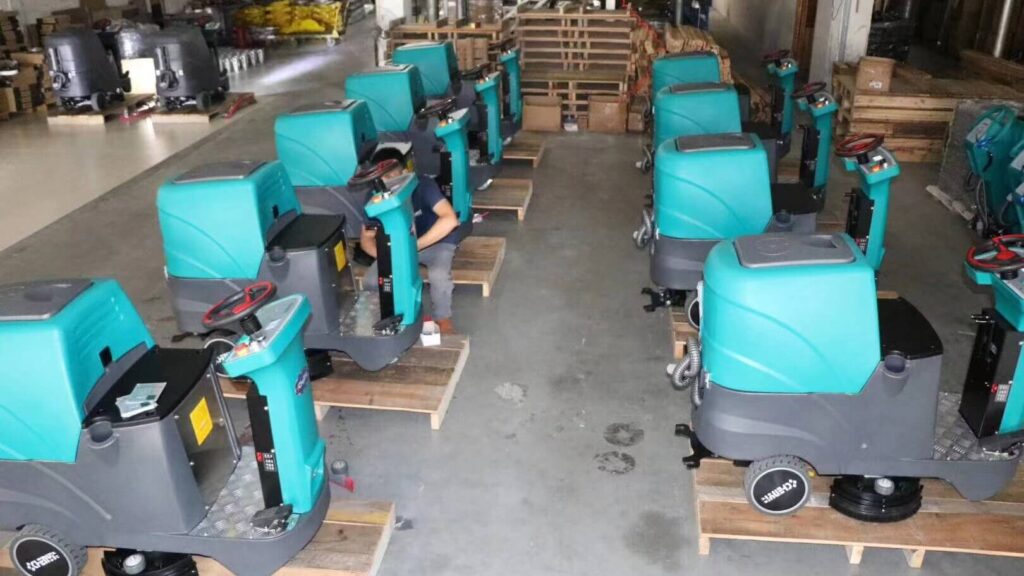
5. The Industrial Assembly Process: What Manufacturers Must Do Differently
Now let’s walk through the most important step:
how a professional manufacturer assembles machines differently than a commercial one.
These are not “nice to have” features — they are requirements for industrial durability.
5.1 Dedicated Jigs & Fixtures
We use:
- motor mounting fixtures
- tank-compression fixtures
- gearbox alignment jigs
- squeegee frame alignment tools
This ensures every unit is built exactly the same.
Cheap factories don’t use fixtures.
They eyeball everything — and quality becomes random.
5.2 Standardized Torque Settings
Every bolt on an industrial machine has a torque value.
Our assembly team uses:
- digital torque drivers
- calibrated wrenches
Why? Because over-tightened screws damage tanks, and under-tightened screws cause vibration and structural failure.
This is a major reliability issue in cheap machines.
5.3 48-Hour Aging Tests
Before we ship any machine, it goes through:
- 48 hours of continuous testing
- vibration simulation
- noise level inspection
- vacuum pressure measurement
- water flow and leakage tests
Commercial factories usually test for 10–20 minutes at best.
You can immediately see the difference in long-term reliability.
5.4 Quality Traceability
Every machine has:
- a unique serial number
- assembly records
- component batch codes
- QC signatures
This is essential for distributors and brand owners handling after-sales service.
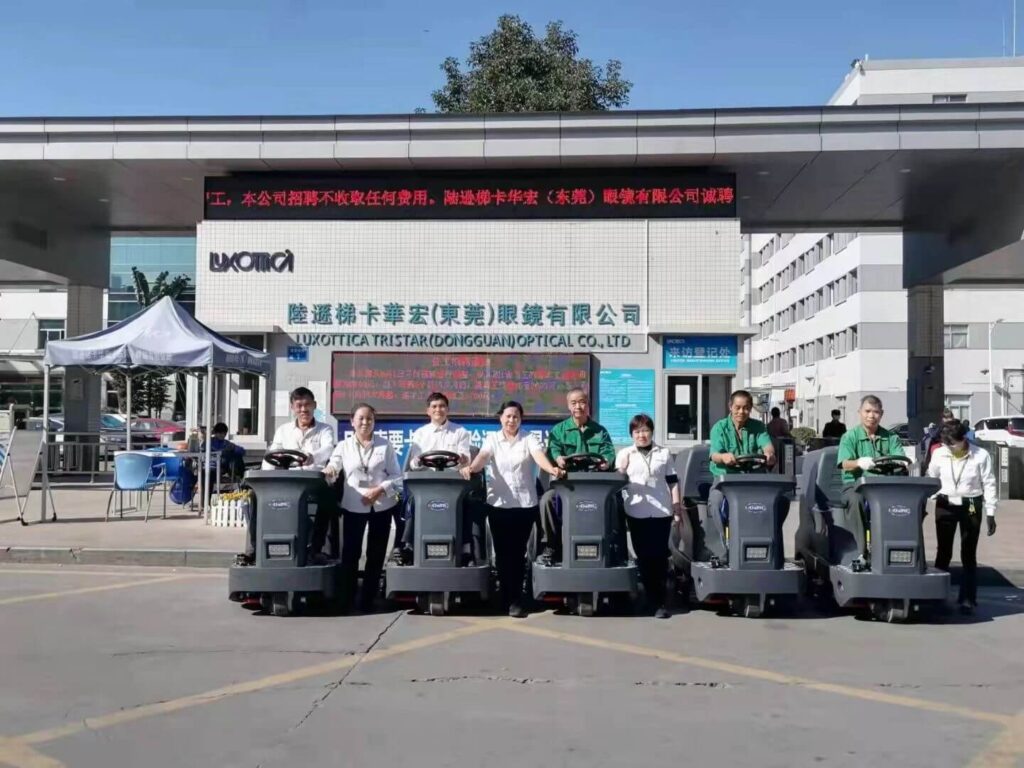
6. Real Use Case Scenarios: Why Industrial Assembly Standards Matter
Let me share what I’ve seen in the field.
Factories & Production Plants
- strong chemicals
- metal debris
- heavy dust
- forklift impacts
Only industrial assembly survives this.
Logistics Warehouses
- long straight runs
- intense motor use
- pallet collisions
Weak frames and poorly installed gearboxes fail quickly.
Supermarkets & Shopping Malls
- strict safety standards
- long operating shifts
- constant water exposure
Only properly sealed electronics survive here.
Hospitals & Schools
- low noise requirements
- frequent cleaning
- disinfection chemicals
Assembly precision matters for hygiene.
Parking Garages
- rough concrete
- inclines
- water pooling
Only industrial wheel alignment, motor torque, and sealing will survive.

7. How to Choose the Right Industrial Manufacturer
Based on years of experience, here’s what truly matters when selecting a supplier:
✔ A complete professional R&D team
Without engineers, assembly is meaningless.
✔ In-house mold development
They control tank quality and structural integrity.
✔ Industrial-grade materials
Steel thickness, motors, connectors, wheels — no shortcuts.
✔ Strict assembly process
Fixtures, torque tools, QC tracking, long tests.
✔ OEM/ODM capability
Consistency across batches, not just small runs.
✔ Real field testing data
Machines proven in factories, not just showrooms.
✔ Transparent process and documentation
A professional manufacturer always shares specs, test reports, and photos.
If a supplier cannot meet these standards, they cannot produce industrial-grade equipment — no matter how cheap their quote looks.

8. FAQ — Optimized for SERP Snippets
Why are industrial floor scrubbers more expensive?
Because they require stronger materials, precise assembly, industrial motors, waterproof electronics, longer testing times, and stricter QC systems.
How long does an industrial floor cleaning machine last?
On average 5–10 years, depending on environment and maintenance.
Are commercial machines suitable for factories or warehouses?
No — commercial machines cannot withstand vibration, chemicals, or long duty cycles.
What assembly standards should buyers ask about?
Torque settings, waterproof connectors, testing procedures, and use of alignment jigs.
How can you tell if a manufacturer is truly professional?
Visit their factory, check their wiring quality, tank thickness, test procedures, and R&D capabilities.
Final Thoughts
If there is one message I want you to take from this article, it’s this:
Industrial floor cleaning machines aren’t defined by their outer appearance — they’re defined by how they’re assembled.
Over the years, I’ve watched machines last 8 years with almost no major failures — and I’ve seen cheap machines fail within months simply because of shortcuts in assembly.
So whether you’re sourcing OEM/ODM machines, building a distribution portfolio, or comparing manufacturers, always look deeper:
- Ask about torque tools.
- Ask how they test each machine.
- Ask about their wiring harness.
- Ask if they use rotomolded tanks.
- Ask to see their jigs and fixtures.
These details reveal everything about a manufacturer’s professionalism.
And if you ever need guidance, engineering insights, or help evaluating suppliers, my team and I are always happy to share what we’ve learned.