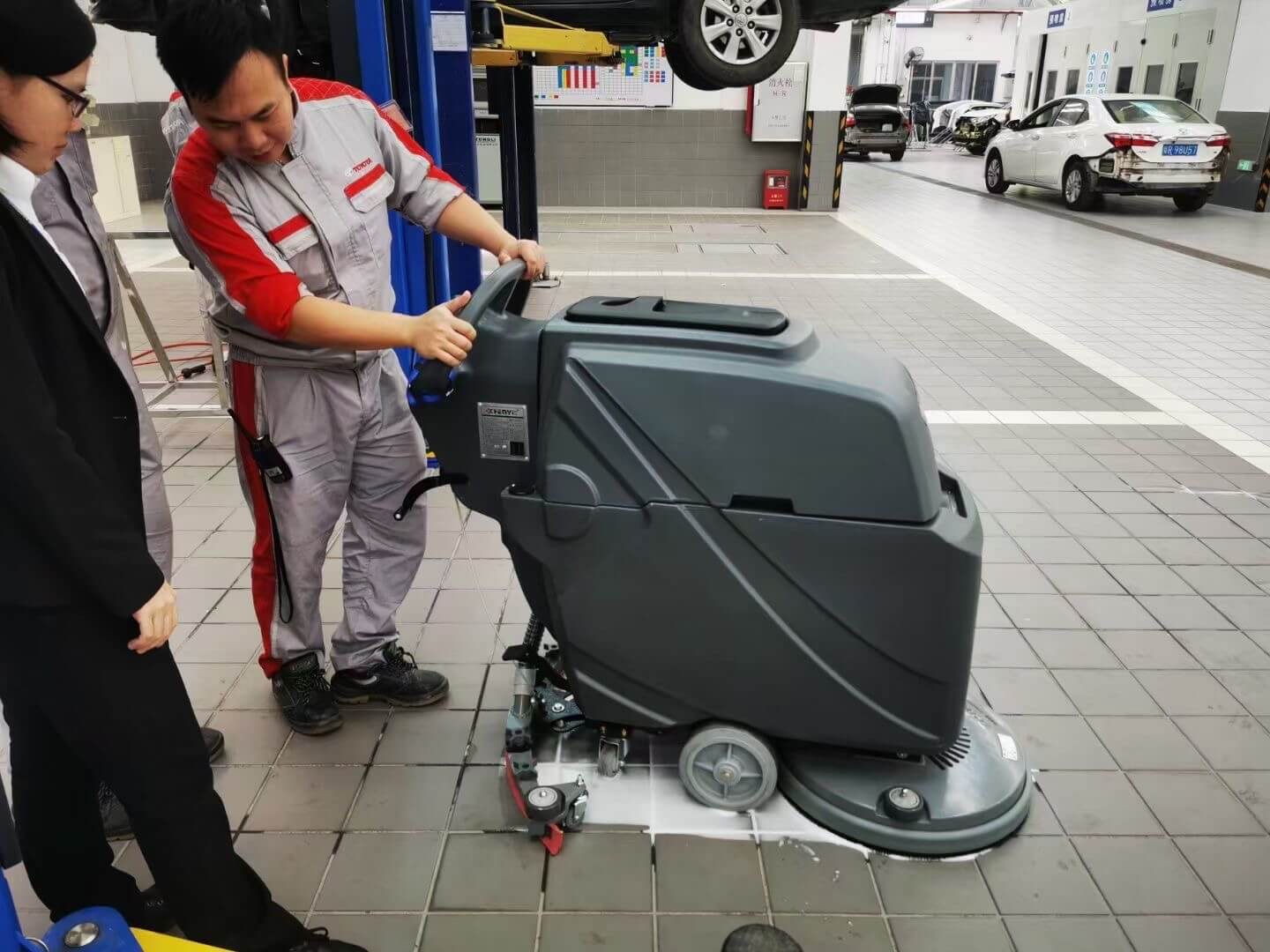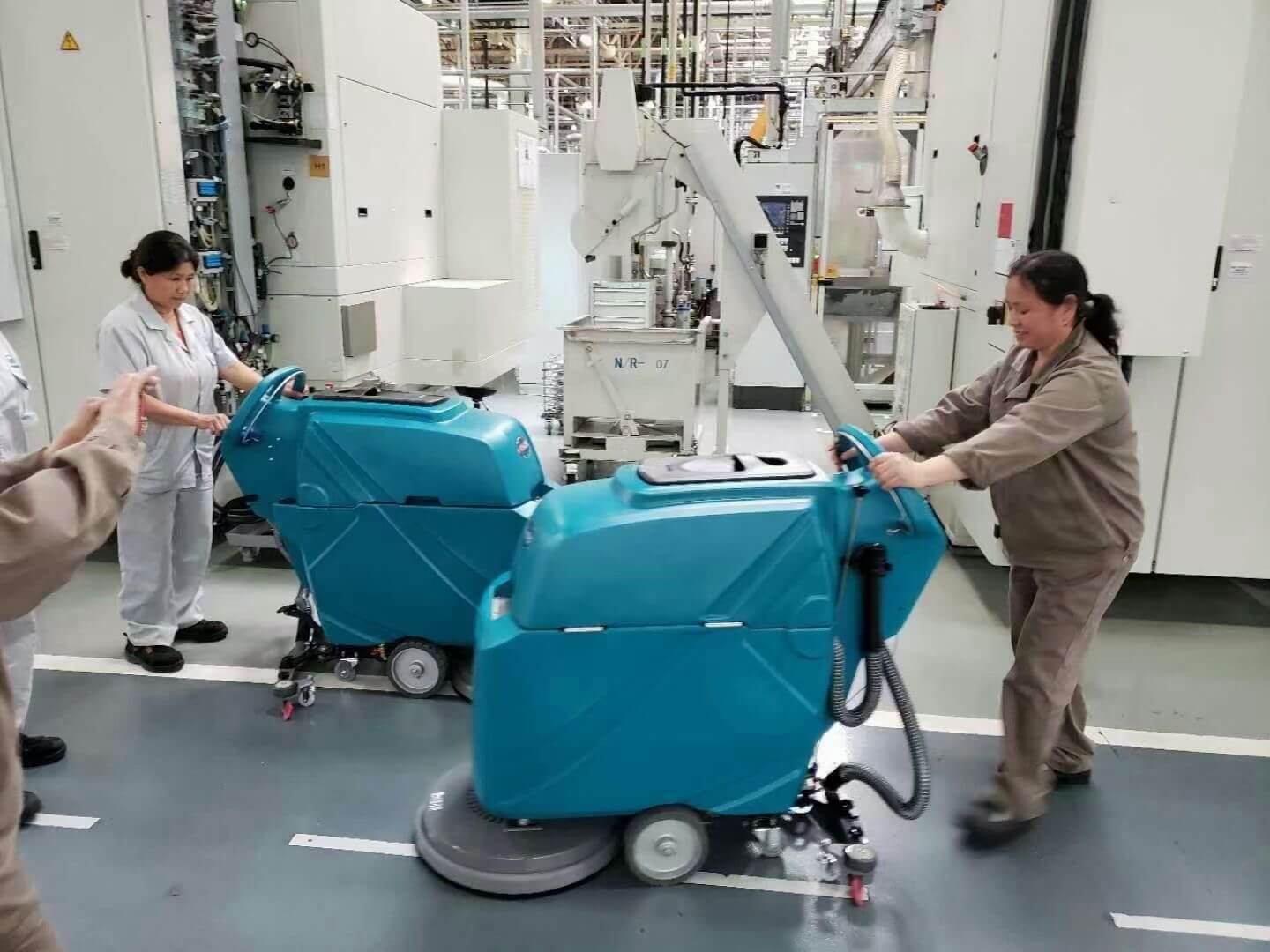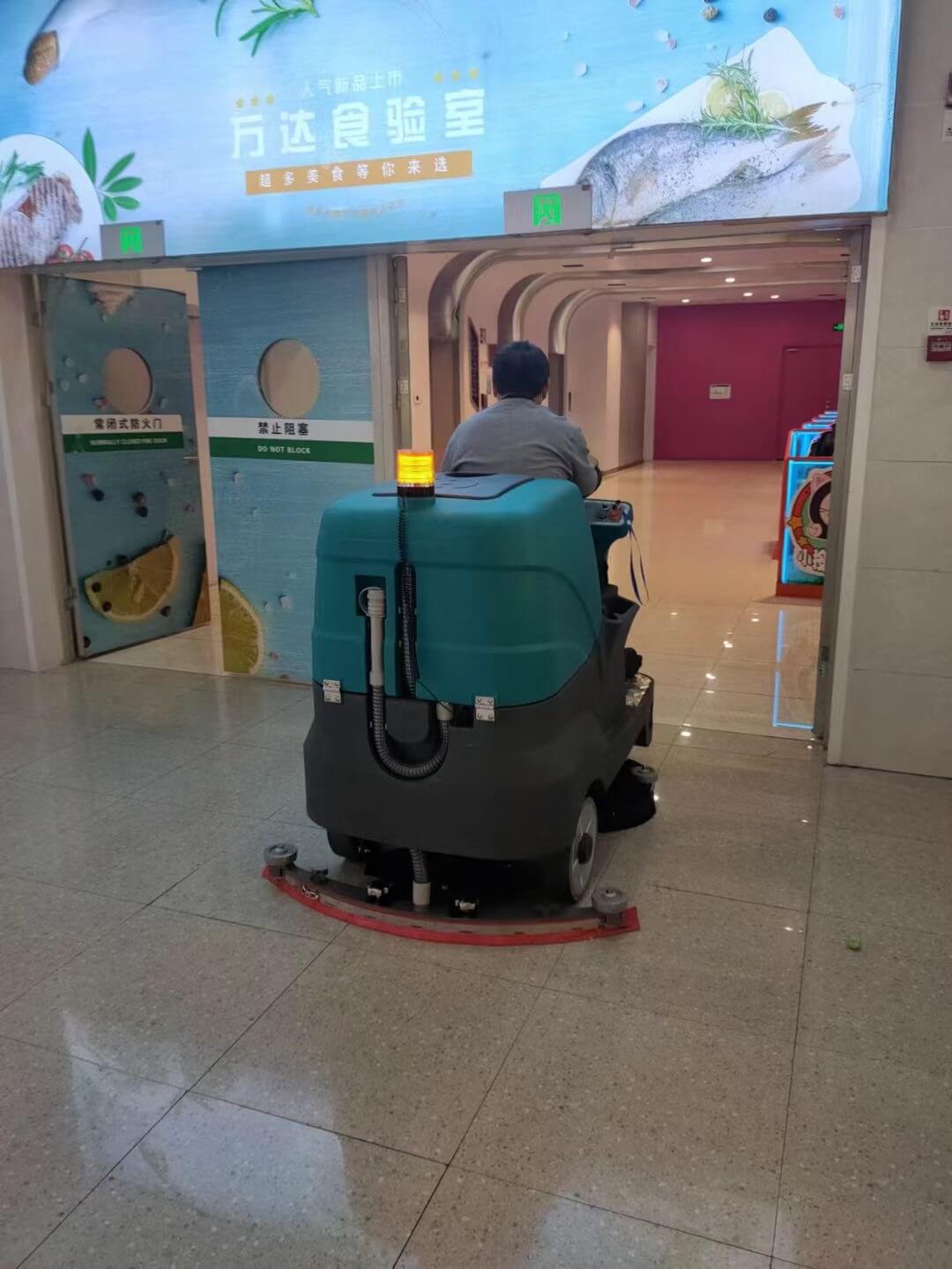
If you’re anything like me, you rely heavily on your industrial floor cleaning equipment to keep your facility running smoothly. Whether it’s a floor scrubber, a commercial sweeper, or an automated cleaning machine, the real everyday performance often comes down to something many people overlook: the wear parts.
Over the years working in the cleaning equipment industry—and as part of a professional floor cleaning machine manufacturer—I’ve seen countless companies buy high-quality machines but then use low-quality replacement parts. And honestly, that’s one of the fastest ways to lose cleaning efficiency, increase downtime, and burn through your maintenance budget.
So today, I want to share everything I’ve learned about choosing reliable wear parts for industrial floor scrubbers and sweepers—based on real experience, real customer mistakes, and real data from the field.
My goal is simple: by the time you finish reading, you should feel confident choosing the right parts, extending the lifespan of your equipment, and reducing total ownership cost (TCO).
What Are Wear Parts in Floor Cleaning Equipment?
Wear parts are components designed to wear out gradually through normal use. They’re not “bad” parts—they’re simply the parts that take the most friction, impact, and stress.
If you operate a scrubber or sweeper, these are your everyday consumables.
Typical wear parts include:
- Scrubber brushes / pad drivers
- Squeegee blades
- Side brushes for sweepers
- Dust filters
- Vacuum motors and seals
- Drive belts
- Batteries (for battery-powered units)
- Wheels and casters
Even if you buy a machine from the world’s best floor cleaning equipment manufacturer, you’ll still be replacing wear parts regularly. That’s just how mechanical systems work.
The difference—and this is where things get really important—is choosing the right parts, not just the cheapest ones.
Wear Parts List + Average Lifespan + What Affects Durability
Below is a quick reference chart. This is based on our field data and customer feedback across factories, warehouses, shopping malls, schools, and logistics centers.
Typical Wear Part Lifespan for Industrial Scrubbers and Sweepers
| Wear Part | Average Lifespan | Key Factors Affecting Durability |
|---|---|---|
| Scrubber Brushes | 200–400 hours | Floor roughness, pressure settings, chemical usage |
| Pad Drivers | 300–500 hours | Pad hardness, machine weight |
| Squeegee Blades | 3–6 months | Oil/chemical exposure, floor type, blade material |
| Side Brushes (Sweepers) | 100–300 hours | Debris type, brush material, brush pressure |
| Main Broom (Sweepers) | 300–600 hours | Surface roughness, debris volume |
| Vacuum Filters | 3–12 months | Dust level, cleaning frequency |
| Drive Belts | 12–24 months | Machine load, tension quality |
| Wheels & Casters | 1–2 years | Operator habits, load weight |
These numbers aren’t fixed, but they’re realistic ranges for commercial and industrial users.

How Do You Know When a Wear Part Needs Replacement?
Over time, you get a “feel” for it, but here are the tell-tale signs I always look for when checking our customers’ machines.
1. Scrubber Brushes
Replace them when:
- Bristles are bent, frayed, or shortened
- Cleaning path becomes uneven
- Machine leaves behind dirty stripes
2. Squeegee Blades
Replace them when:
- Water streaks appear behind the scrubber
- Suction performance is weak
- The blade edges become rounded or torn
3. Sweeper Side Brushes
Replace them when:
- They stop touching the ground properly
- Dust isn’t being pushed toward the main broom
- Bristles are missing or overly curled
4. Dust Filters
Replace them when:
- Airflow drops
- Dust leaks back into the air
- The filter becomes impossible to clean
5. Belts & Wheels
Replace them when:
- Belts slip or crack
- Wheels wobble or create noise
- Steering becomes less smooth
Neglecting these signs doesn’t just reduce cleaning performance—it can cause damage to motors, pumps, and other costly components.
Recommended Replacement Schedule
This schedule fits most industrial facilities. Feel free to adjust based on hours used.
| Part | Recommended Replacement |
|---|---|
| Brushes | Every 6–12 months |
| Squeegee Blades | Every 3–6 months |
| Filters | Every 6–12 months |
| Side Brushes | Every 4–8 months |
| Main Broom | Every 12–18 months |
| Belts | Yearly inspection, replace if worn |
| Wheels | Every 1–2 years |
Following a schedule like this is one of the easiest ways to avoid unexpected downtime.
Maintenance Tips That Extend Lifespan
These simple habits add months of life to your wear parts.
1. Clean parts after every shift
I’ve seen squeegee blades last twice as long just by rinsing them daily.
2. Avoid excessive pressure
More pressure doesn’t mean better cleaning. It only wears your brushes faster.
3. Use the right brush for the right floor
Soft floors → soft brushes
Rough concrete → medium or hard brushes
4. Store squeegee blades in a straight position
If left pressed against the floor, they deform faster.
5. Avoid using incorrect chemicals
Some chemicals break down rubber or plastic-based parts.
These habits sound simple, but they’re incredibly effective.
Common Problems Caused by Worn-Out Parts
If you ever notice these issues, worn parts are probably the culprit:
1. Streaks and dirty marks on the floor
Usually caused by worn brushes or squeegee blades.
2. Poor water pick-up
Often due to damaged squeegee blades or weak vacuum filters.
3. Dust left behind after sweeping
Side brushes or main broom may need replacement.
4. Strange noises or vibration
Worn wheels, bearings, or belts.
5. Reduced battery efficiency
Old filters or worn pads force the machine to work harder.
In many cases, replacing a simple $20–$50 part solves the problem.
How to Choose Reliable Wear Parts From a Manufacturer
Here’s the core of what I really want to share—because this is where most companies either save money or lose it.
After working with hundreds of buyers, facility managers, and OEM brands, these are the criteria I personally use.
1. Always Ask for Material Specifications
Good wear parts start with good material.
Look for:
- Polyurethane squeegee blades for oil-resistant floors
- PP or PBT bristles for scrubber brushes
- Nylon or polypropylene for sweeper brushes
- HEPA-grade filters for dusty environments
If a supplier cannot tell you the material grade, walk away.
2. Check Compatibility With Major Brands
If you use Tennant, Nilfisk, Karcher, IPC, Comac, or Factory Cat, your supplier should provide OEM-compatible parts.
This is especially important for:
- Brush diameter
- Broom strip width
- Squeegee channel length
- Filter dimensions
A good floor cleaning machine factory will always provide drawings or sample confirmation.
3. Look for Production Certifications
This includes:
- ISO9001
- Material safety reports
- Quality inspection records
- Wear test reports
These documents prove the manufacturer actually controls their product quality.
4. Evaluate the Packaging & Labeling
I know this sounds trivial, but good manufacturers always package parts carefully:
- Brushes wrapped individually
- Squeegee blades flat-packed
- Filters sealed dust-free
- Labels with part numbers
If packaging is sloppy, product quality is usually the same.
5. Ask About Their Wear Testing Process
Reliable industrial floor cleaning solutions manufacturers test parts for:
- Load resistance
- Chemical exposure
- Abrasion resistance
- Heat tolerance
- Real floor simulation
This is how you know the parts won’t fail in three weeks.
6. Don’t Choose the Cheapest Supplier
I’ve seen this mistake too many times.
Cheap squeegees last 2–3 weeks.
High-quality squeegees last 3–6 months.
Which one is actually cheaper?
Reliable parts save you:
- Labor time
- Downtime
- Machine stress
- Cleaning chemical waste
Good parts don’t cost—they save.
7. Choose a Partner, Not Just a Seller
A strong floor cleaning solutions supplier should offer:
- Free samples
- Technical support
- Usage guidance
- Fast delivery
- Long-term stable supply
When you find a good partner, you’ll feel the difference in your maintenance workflow.

Conclusion: Reliable Parts Protect Your Machine, Budget, and Business
After working in this industry for so many years, I’ve learned that choosing the right wear parts is one of the smartest investments you can make.
Good parts help you:
- Clean faster
- Reduce downtime
- Protect your machine
- Lower long-term costs
- Improve floor hygiene
If you ever need help choosing brushes, squeegees, filters, or any consumables, we’d be happy to give recommendations. As a commercial floor cleaning equipment supplier, helping customers extend equipment lifespan is something we take seriously.
FAQ
1. How often should floor scrubber brushes be replaced?
Typically every 200–400 hours, depending on floor roughness and machine pressure.
2. Do squeegee blades wear faster on industrial floors?
Yes. Rough concrete, oils, and chemicals shorten lifespan significantly.
3. How can I tell if my floor scrubber squeegee needs replacing?
If your machine leaves water streaks, loses suction, or the blade edge becomes rounded, it’s time to replace.
4. How long do sweeper side brushes last?
Usually 100–300 hours depending on debris type and brush material.
5. Should I buy OEM parts or aftermarket parts?
High-quality aftermarket parts from a reliable floor cleaning machine manufacturer can match or exceed OEM quality at a better price.